Archives 2024

areal photography of brown building

Understanding the Cost of Bungalow Construction in the Philippines
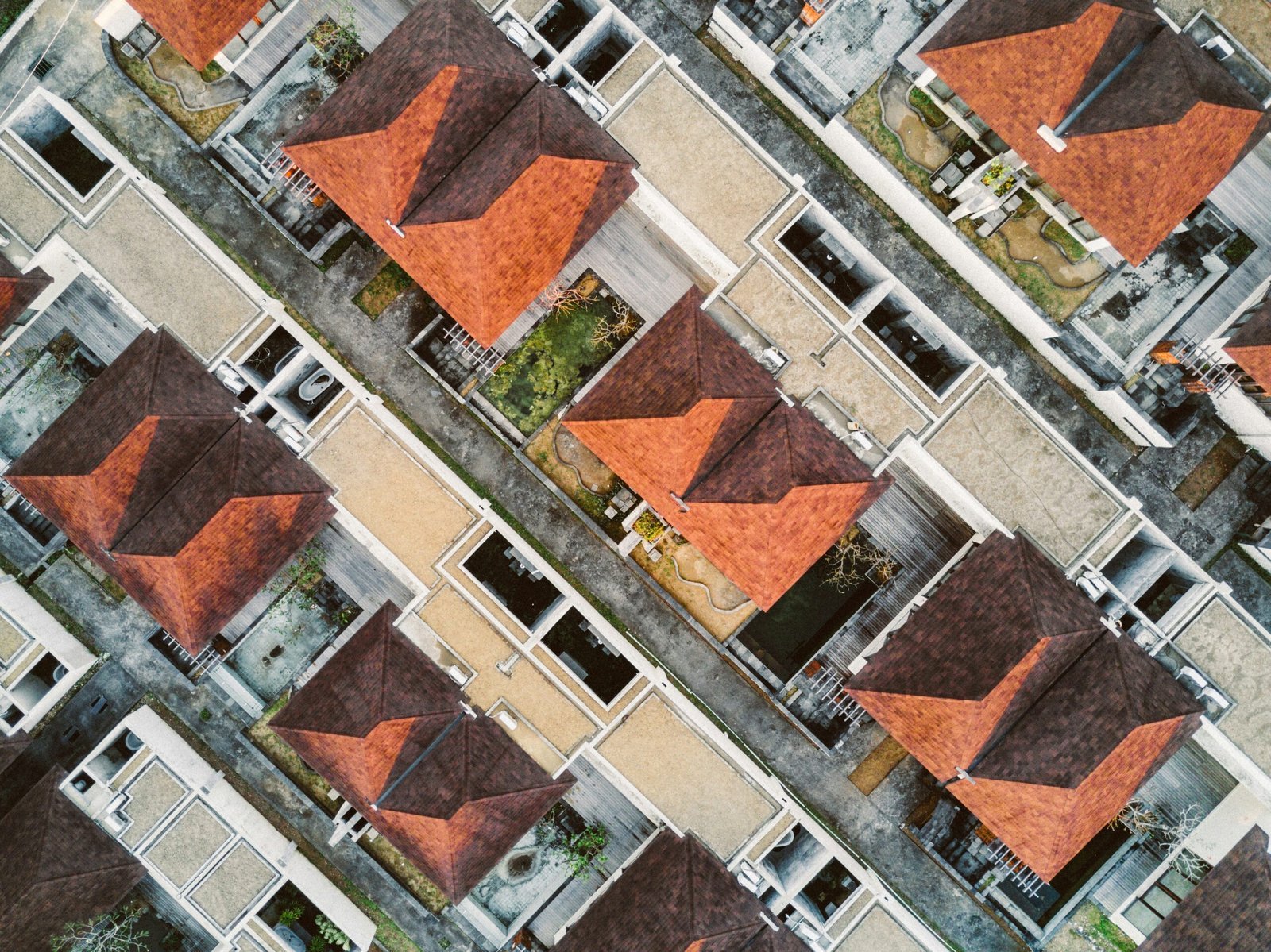
areal photography of brown building

Introduction to Bungalow Construction

A bungalow is a single-story residential structure characterized by its unique architectural style, which often includes broad porches, open floor plans, and low-profile roofs. This type of dwelling has gained significant popularity in the Philippines, attributed to its practicality and aesthetic appeal. In essence, bungalows combine functionality with charm, making them an attractive option for various homeowners, ranging from young families to retirees.

One of the hallmark features of bungalow construction is its accessibility. The absence of stairs makes it an ideal choice for families with children or elderly members who may struggle with multi-story homes. This design approach emphasizes ease of movement and fosters a comfortable living environment. Furthermore, many bungalow designs are built with sustainability in mind, utilizing locally sourced materials to enhance resilience against natural disasters such as earthquakes and typhoons, which are common in the region.

In addition to accessibility, bungalows often emerge as a budget-friendly option for those venturing into construction. The single-story layout typically requires less material and labor compared to multi-level buildings, potentially resulting in lower overall costs. This economical advantage makes bungalows appealing, particularly for first-time homeowners seeking quality living without the financial burden associated with larger homes.

The growing preference for bungalow construction in the Philippines can also be attributed to the country’s tropical climate. With the right design, bungalows allow for optimal airflow and natural lighting, creating a cozy and inviting atmosphere. As we delve deeper into the nuances of building a bungalow, it becomes essential to analyze the various costs involved and how to make informed decisions to optimize the construction process. This foundational understanding sets the stage for more detailed discussions about the expense considerations of bungalow construction in the Philippines.

Factors Influencing Construction Costs

When considering bungalow construction in the Philippines, several key factors contribute to the overall costs incurred by homeowners and builders alike. Understanding these factors is essential for effective budgeting and financial planning.

One of the primary determinants of construction costs is land prices, which can fluctuate significantly based on location. Urban areas typically command higher land values compared to rural regions. Furthermore, proximity to essential amenities, such as schools, hospitals, and markets, can also affect the price of land. Hence, selecting an appropriate site is crucial for more economical bungalow construction.

Material costs contribute significantly to the budget, as they include the expenses for everything from concrete and steel to roofing and finishes. The availability of these materials can vary across regions, with some areas experiencing shortages that lead to increased prices. Builders may also choose between premium materials or more affordable alternatives, impacting the overall budget.

Labor expenses represent another critical area of cost. Wages for construction workers can differ based on skill level, experience, and geographic locations. The choice of hiring skilled labor may be more expensive, yet crucial for ensuring quality workmanship. Additionally, the timeline for construction can influence labor costs; a faster project may require more workers, resulting in higher total expenses.

Design specifications also play a fundamental role in determining costs. Simplistic design choices typically yield lower expenses, while complex layouts with intricate features may lead to increased financial outlay. Customizations cater to personal preferences but can significantly escalate the overall construction costs.

Lastly, local regulations and zoning laws must be taken into account. Building permits and compliance with safety codes may incur additional costs, emphasizing the importance of examining these requirements before commencing any construction project. By understanding these various factors, potential homeowners can better navigate the complexities of bungalow construction costs in the Philippines.

Average Cost Estimates for Bungalow Construction

When considering bungalow construction in the Philippines, understanding the average cost estimates per square meter is pivotal for prospective homeowners. The overall expense can vary significantly depending on various factors such as region, materials, and labor. On average, the construction cost for bungalows typically ranges from ₱25,000 to ₱40,000 per square meter. This variation largely depends on the specific area where the construction takes place, as well as the choice of materials and design complexity.

In metropolitan areas, such as Metro Manila, costs might lean towards the higher end of the spectrum, primarily due to increased labor expenses and higher material prices. Conversely, rural regions often present lower construction costs, making it more feasible for those on a tighter budget. It is worth noting that while the base costs are generally for standard building materials, opting for high-quality or specialty items can significantly elevate the total budget required.

Additionally, fluctuations in local labor rates, which can be affected by demand, seasonal work conditions, and skill levels, also impact the overall expenditure. For instance, labor costs in popular provinces such as Cebu or Davao might differ from that of less populated areas, leading to variations in total project costs. Consequently, understanding these regional differences allows homeowners to set realistic financial expectations when planning their bungalow construction.

As such, potential homeowners are encouraged to conduct thorough market research and seek consultations with local contractors to obtain more personalized estimates tailored to their specific needs and preferences. By compiling these average cost insights, individuals can better navigate the financial landscape of bungalow construction, making informed choices that align with their budget and homebuilding aspirations.

Cost Breakdown: Materials and Labor

When planning for bungalow construction in the Philippines, it is essential to understand the overall cost structure, which primarily consists of materials and labor. The expenses associated with construction can be categorized into three main types of materials: structural, finishing, and utility. Each category plays a crucial role in ensuring the durability, aesthetics, and functionality of the bungalow.

Structural materials encompass the essential components needed to create a sound framework for the bungalow. This includes cement, concrete, reinforcing steel bars (rebar), plywood, and timber. Depending on the quality and source of these materials, prices can vary significantly. For instance, premium-grade concrete and steel tend to cost more, impacting the overall budget. Homeowners should work closely with contractors to select the right materials that balance quality and price.

Finishing materials, on the other hand, directly contribute to the aesthetics of the property. Items such as tiles, paint, ceilings, cabinetry, and fixtures fall under this category. Finishing costs can greatly fluctuate based on the chosen style and quality. High-end finishes will augment the total budget considerably, while more affordable options can still achieve a sophisticated look without overspending.

Utility materials include plumbing, electrical wiring, and insulation. These systems are vital for the functionality and comfort of the home. Costs associated with these materials are typically dictated by current market trends, availability, and brand selections. Choosing reputable brands can often lead to longer-lasting results, thus potentially reducing future costs related to repairs and replacements.

Labor costs for bungalow construction also vary, influenced by factors such as project scale and regional differences. Typically, skilled laborers, such as electricians, carpenters, and masons, command higher rates compared to unskilled labor. Accurately estimating labor costs is crucial, as it can significantly influence the total expenditure of the entire construction project.

Additional Costs: Permits and Land Preparation

When planning the construction of a bungalow in the Philippines, potential homeowners must consider additional costs that can significantly influence the overall budget. Among these costs are building permits, land preparation, and utility connections. Each of these expenses contributes to the project’s financial landscape and should be accounted for in the preliminary budget.

Obtaining the necessary building permits is a critical step in the construction process. The requirements for permits can vary from one municipality to another, and typically include fees that depend on the size and type of the structure. It is advisable to check with the local government unit (LGU) to ensure compliance with zoning laws and any regulations specific to residential construction. Failure to secure these permits can lead to penalties, delays, or even the cessation of work, adding unforeseen costs to the project.

Land preparation, another substantial expense, often entails grading and clearing the site where the bungalow will be built. This process is essential to ensure a solid foundation and mitigate issues like flooding or soil erosion. Depending on the lot’s condition, costs can vary widely. Factors influencing these expenses include the size of the property, the need for excavation or fill material, and additional landscaping requirements. Homeowners should engage with local contractors to obtain detailed estimates based on site conditions.

Furthermore, connecting utilities such as water, electricity, and sewage involves costs that are frequently underestimated. Each utility provider has distinct requirements and fees, which can compound the overall investment. Thus, anticipating these potential expenses is crucial for financial planning.

In summary, while the initial construction costs of a bungalow may appear straightforward, the inclusion of permits and land preparation expenses reveals a more comprehensive financial picture. Homeowners must account for these additional costs to maintain effective budgeting and avoid any financial strain during the construction process.

Financing Options for Bungalow Construction

When considering the construction of a bungalow, potential homeowners in the Philippines have several financing options to explore. Understanding these choices is crucial for effectively managing the financial aspects of building a home.

One common option is traditional bank loans, which offer financial assistance to individuals looking to fund their construction projects. These loans typically require a down payment and have varying interest rates based on the borrower’s creditworthiness. Borrowers are often required to provide documentation that demonstrates their financial stability, including proof of income and an overview of existing debts. It is advisable to compare multiple banks and institutions to find the most favorable terms and rates available.

In addition to traditional loans, government-backed programs are also available to support homeowners. The Pag-IBIG Fund, for instance, offers housing loan programs that are specifically designed for low to middle-income earners. These programs often come with lower interest rates and extended repayment terms, making it easier for families to afford construction expenses. Eligibility criteria may apply, and interested applicants should visit the official Pag-IBIG website or their nearest office to gather relevant information.

Another option worth considering is private financing or partnerships. This approach can involve seeking out family members, friends, or private investors who may be willing to contribute funds in exchange for a return on investment. Such arrangements can provide more flexibility in payment terms and may not require the same level of documentation as traditional loans.

Finally, personal savings and alternative funding sources such as crowdfunding platforms can also play a role in bungalow construction financing. Leveraging personal savings can reduce the total loan amount required, while crowdfunding allows individuals to share their construction projects with a wider community, garnering financial support from interested parties.

Tips for Cost-Effective Bungalow Construction

Constructing a bungalow in the Philippines can be a fulfilling endeavor, but managing costs effectively is crucial to ensuring the project remains within budget. One of the first steps in achieving cost-effective bungalow construction is through meticulous planning. This involves creating a detailed design and outline of the project, which allows for identifying potential cost-saving areas before construction begins. Proper planning can minimize changes during the building process, which can significantly increase expenses.

Another key strategy is comparison shopping for building materials. Prices for construction materials can vary widely among suppliers. To make informed purchasing decisions, it can be beneficial to conduct thorough research and obtain multiple quotes for materials. Take advantage of local suppliers, as they can offer competitive pricing and reduce transportation costs. Using locally sourced materials not only helps save on expenses but can also be more environmentally sustainable.

Hiring a reputable contractor is essential in ensuring a smooth construction process. A good contractor will not only provide a realistic estimate of costs but can also offer valuable advice on cost-saving practices and efficient construction methods. Seeking recommendations from friends or family and checking online reviews can aid in selecting a contractor who has a track record of delivering quality work on time and within budget.

Additionally, considering alternative building methods can lead to significant savings. For instance, modular or pre-fabricated construction options often reduce labor costs and the time it takes to complete a bungalow. These methods can also allow for greater flexibility in design, as they often utilize space more effectively. By combining these strategies, you can achieve a cost-effective construction process without sacrificing quality in your new bungalow.

Case Studies: Real-life Bungalow Projects in the Philippines

To better illustrate the aspects associated with bungalow construction in the Philippines, it is beneficial to review several real-life projects that showcase a diverse range of experiences. These case studies highlight budgeting strategies, challenges encountered, and innovative solutions implemented throughout the construction process.

One notable project is a family-owned bungalow in Batangas, which had a total construction budget of approximately PHP 2.5 million. The family prioritized creating a sustainable home, incorporating rainwater collection systems and solar panels. While the initial planning stage took longer than expected due to zoning regulations, their patience paid off when they completed the project under budget. The application of eco-friendly materials not only minimized costs but also resulted in a lower carbon footprint.

In contrast, another case study revolves around a luxurious bungalow constructed in Cebu aimed at attracting both tourists and long-term renters. This project had a considerably higher budget of around PHP 10 million, focusing on high-end finishes and amenities. The primary challenge faced was sourcing local artisans skilled in premium finishing, which led to delays. However, the integration of unique local designs and materials allowed the property to stand out in the competitive rental market, yielding a substantial return on investment within the first year of operation.

Additionally, a community-driven initiative in Mindanao built a series of affordable bungalows intended to provide housing for low-income families. With a budget of PHP 800,000 per unit, this project faced significant challenges regarding funding and resource allocation. The solution involved securing donations and establishing partnerships with local businesses, ultimately creating a sense of ownership and fostering community involvement. The success of this project highlights how collective efforts can overcome financial constraints in bungalow construction.

These case studies illuminate the importance of careful planning, budget management, and innovative problem-solving in bungalow construction in the Philippines. They serve as valuable lessons for prospective builders, helping to navigate the complexities of their own projects while providing inspiration and context for future developments.

Conclusion: Making Informed Decisions

In the realm of bungalow construction in the Philippines, understanding the associated costs is crucial for successful planning and execution. Throughout this discussion, we have explored various factors that contribute to the overall expense, including material choices, labor costs, location, and design complexities. By synthesizing these elements, one can estimate a more precise budget tailored to individual needs and preferences.

It is imperative for potential homeowners and investors to conduct thorough research before embarking on their construction journey. Familiarizing oneself with local construction practices, listing down necessary materials, and seeking multiple quotations from contractors can provide significant insights into the market landscape. Engaging with professionals, such as architects and builders, can further enhance this understanding, ensuring that all intricacies of bungalow construction costs are considered from the outset.

Moreover, the importance of strategic planning cannot be overstated. Creating a detailed project timeline and breaking down each phase of construction can aid in managing expenses effectively. This proactive approach helps mitigate unexpected costs and keeps the project on track. Maintaining a clear line of communication with all parties involved ensures any adjustments or changes to the initial plan are addressed promptly, preventing budget overruns.

Ultimately, making informed decisions in bungalow construction involves a delicate balance of research, expert consultation, and robust planning. By following these guidelines, prospective builders can navigate the complexities of construction costs with confidence, leading to a more efficient and rewarding building experience. The journey toward your ideal bungalow can be fruitful if approached with due diligence and attentiveness to detail.
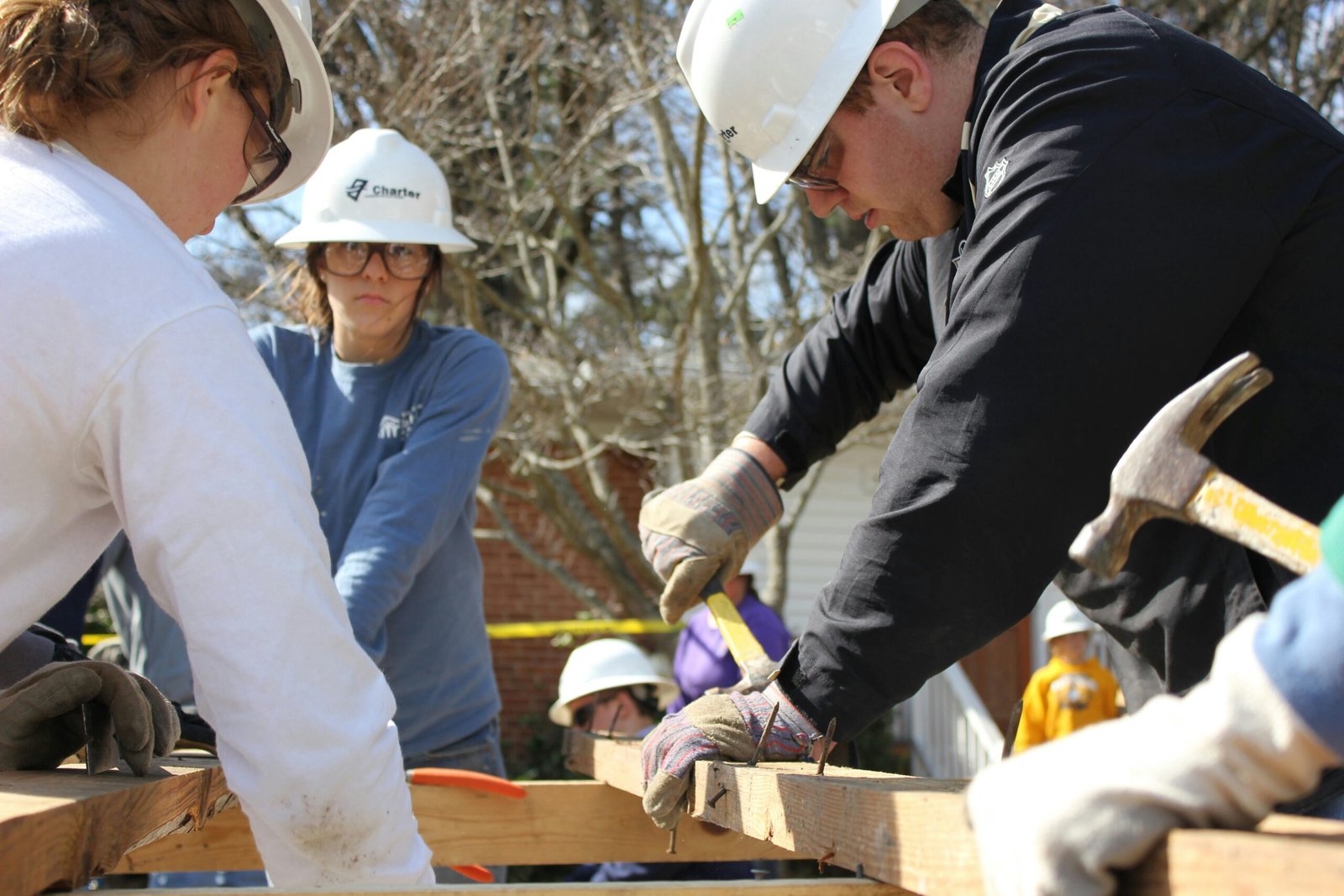
man in black jacket and white hard hat holding green plastic bottle

Top Construction Services in the Philippines: Building the Future

man in black jacket and white hard hat holding green plastic bottle

Introduction to the Construction Industry in the Philippines

The construction industry in the Philippines plays a vital role in the country’s economic development and urban transformation. Over recent years, it has experienced substantial growth, driven by increasing investments in various sectors including residential, commercial, and infrastructure projects. This upward trend is largely fueled by the government’s initiatives aimed at enhancing urban development and improving the quality of life for its citizens.

Significant investment in infrastructure has led to the implementation of large-scale projects like roads, bridges, and public transportation systems. These efforts not only boost economic activities but also create employment opportunities, contributing positively to the overall social landscape. The rise of commercial construction due to the burgeoning retail and service industries further solidifies the significance of construction services in the Philippines, as these projects often entail complex planning and execution processes that require skilled labor and advanced technology.

Another noteworthy aspect is the rapid growth of residential construction. With a rising population and an increasing number of overseas Filipino workers seeking housing solutions, there is heightened demand for both affordable and high-end housing options. This demand necessitates a diverse range of construction services that accommodate varying needs and preferences, ensuring that the housing market remains robust. Furthermore, the emphasis on sustainable construction practices is gaining traction as urban developers aim to create environmentally friendly living and working spaces.

In light of these developments, the construction industry in the Philippines is positioned as a key driver of economic growth, empowering various sectors and contributing to the nation’s infrastructure. As we explore the specifics of construction services in the Philippines, it becomes clear that this sector is pivotal for shaping the future of urban landscapes and enhancing the overall quality of life in the nation.

Types of Construction Services Available

The construction industry in the Philippines offers a wide range of services tailored to meet diverse needs and requirements. These services can be categorized into several key types, each addressing specific aspects of construction projects. Understanding these categories is essential for clients looking to build, renovate, or manage their properties effectively.

One of the most common types is general contracting. This service involves a contractor who takes responsibility for the overall coordination of a construction project. The general contractor oversees the entire process, managing subcontractors, schedules, and budgets, ensuring that projects are completed on time and within financial limits. This type of service is ideal for clients who prefer a single point of contact throughout their project.

Another prominent option is design-build services. This approach consolidates both design and construction responsibilities under one entity, streamlining communication and decision-making. By integrating the design and building phases, clients can benefit from a more cohesive process that often reduces timelines and enhances collaboration, leading to more innovative solutions.

Construction management is also a vital service, particularly for larger and more complex projects. A construction manager acts as an advisor, managing the project from pre-construction through completion. This role includes budgeting, scheduling, and quality control. Unlike a general contractor, a construction manager does not engage in physical construction but instead focuses on ensuring the process runs smoothly, aligning all stakeholders involved in the project.

Lastly, specialized trade services cater to specific construction tasks such as plumbing, electrical work, or HVAC installation. These tradespeople are experts in their respective fields, providing specialized skills essential for the successful completion of construction projects. Clients can engage these professionals either through general contractors or on a standalone basis, depending on their project’s needs.

Key Players in the Philippine Construction Market

The construction industry in the Philippines plays a critical role in the country’s economic development, marked by the presence of several key players, including construction companies, contractors, and suppliers. These entities contribute significantly to infrastructure projects, which have become increasingly vital in supporting the nation’s growth. Notably, firms like Ayala Land, Megaworld Corporation, and DMCI Holdings stand out as major construction companies within the landscape.

Ayala Land has built a reputation for its innovative mixed-use developments and has been involved in numerous projects across residential, commercial, and institutional sectors. Their long-standing expertise in sustainable building practices has reinforced their position as a leader in the construction market. Similarly, Megaworld Corporation is recognized for its pioneering developments in township projects that integrate residential and commercial spaces, thus enhancing urban living in major cities. DMCI Holdings, on the other hand, is notable for its extensive portfolio focusing on infrastructure and residential services, showcasing their multifaceted capabilities.

Apart from these key players, several reputable contractors play an integral role in executing construction projects in the Philippines. Companies such as EEI Corporation and Monolith Construction and Development Corporation have demonstrated robust project management skills, successfully delivering large-scale infrastructure projects, including roads, bridges, and commercial establishments. Their extensive experience in the industry enables them to navigate complex challenges associated with large construction endeavors.

Furthermore, suppliers of construction materials also hold significant sway in the market’s dynamics. Companies providing essential materials ranging from steel and concrete to innovative eco-friendly options have become crucial partners to contractors. By ensuring a steady supply of quality materials, these suppliers not only support ongoing construction but also contribute to the sustainability goal of the industry.

Collectively, these key players in the Philippine construction market drive the progress of the industry, ensuring that it remains robust and responsive to the country’s evolving needs.

The construction sector in the Philippines is currently experiencing a transformative phase characterized by emerging trends that are reshaping its future. One of the most significant trends is the emphasis on sustainability practices. As environmental concerns grow, construction companies are adopting greener methods, using sustainable materials, and minimizing waste. This shift not only helps reduce the ecological footprint of construction projects but also aligns with global efforts towards combating climate change.

Another notable development is the integration of advanced technology into construction practices. Building Information Modeling (BIM) has revolutionized project planning and management, allowing for better visualization and collaboration among stakeholders. Through detailed digital representations, BIM enhances accuracy and reduces the likelihood of costly errors. Additionally, the usage of drones for site surveys and monitoring brings a new level of efficiency and safety. Drones provide real-time data and aerial imagery, facilitating quicker decision-making and comprehensive site assessments.

The introduction of innovative building materials further enhances the construction landscape. Traditional materials are increasingly being supplemented or replaced with modern alternatives such as prefabricated components, 3D-printed structures, and smart materials that respond to environmental conditions. These innovations not only expedite the construction process but also improve durability and energy efficiency, catering to the evolving needs of clients and regulatory standards.

These emerging trends signify a departure from traditional construction practices, promoting a more efficient, adaptable, and sustainable approach. As the sector evolves, it becomes clear that embracing such changes is vital for companies aiming to remain competitive in a rapidly changing marketplace. Future-oriented construction services in the Philippines must continue to prioritize these trends to build a resilient and innovative industry.

The construction industry in the Philippines operates within a complex legal and regulatory framework designed to ensure safety, compliance, and quality standards. To initiate any construction project, stakeholders must acquire several licenses and permits mandated by various government agencies. These may include the building permit, which is a prerequisite for commencing construction, as well as other licenses related to environmental compliance and specialized works, depending on the project’s nature.

At the national level, the Department of Public Works and Highways (DPWH) plays a vital role in regulating public infrastructure projects. For private constructions, the local government units (LGUs) are responsible for issuing the necessary building permits. It is essential for both builders and clients to familiarize themselves with these requirements to avoid legal complications that may arise due to non-compliance. Furthermore, the construction sector must adhere to the updated National Building Code of the Philippines, which outlines the structural safety, materials requirements, and construction practices to enhance public safety.

Safety regulations are another critical aspect of the construction legal framework. Builders are obligated to implement measures stipulated by the Occupational Safety and Health (OSH) Standards. These regulations address the health and safety protocols to be observed on-site, ensuring the well-being of workers and minimizing accidents. Compliance with these safety standards not only reflects the builder’s commitment to responsible practices but also fosters a culture of safety within the construction sector.

In addition to these foundational requirements, the construction services landscape in the Philippines is continually evolving. Recent developments, such as the push for sustainable construction and environmental compliance, are shaping industry norms. Consequently, both builders and clients must remain vigilant in staying updated with the shifting regulatory environment to ensure that their construction projects align with current laws and standards.

Cost Considerations and Budgeting for Construction Projects

When embarking on a construction project, understanding and managing costs is essential to its success. An accurate estimation of project costs can be a determining factor in achieving the desired outcome without exceeding budget limitations. A comprehensive cost estimation involves evaluating various components, including materials, labor, permits, and contingencies, ensuring that all potential expenses are accounted for from the outset.

Budgeting techniques play a critical role in overseeing construction finances. A common method is the “line-item budgeting” approach, where every expected expenditure is itemized, allowing for a detailed overview of financial obligations. This technique not only facilitates better tracking of expenses but also aids in justifying expenditures to stakeholders. Additionally, adopting a percentage-based budgeting method, where a certain percentage of the total estimated costs is allocated for unforeseen expenses, can provide a financial cushion, helping mitigate risks associated with unexpected challenges during the construction phase.

The influence of market conditions cannot be overlooked when considering construction costs. Fluctuations in material prices, availability of skilled labor, and regional economic conditions play a pivotal role in determining the overall project budget. For instance, during periods of high demand, materials can become scarce, leading to price hikes that affect project budgets. It is vital for project managers and stakeholders to stay informed about current market trends to anticipate potential cost increases effectively.

Moreover, engaging with professionals who specialize in construction management can provide invaluable insights into cost control strategies, ensuring that projects remain financially viable. By factoring in all these elements, stakeholders can achieve a comprehensive understanding of cost considerations, leading to more effective budgeting and ultimately, the successful completion of construction projects.

Case Studies: Successful Construction Projects in the Philippines

The construction industry in the Philippines has seen remarkable achievements in recent years, characterized by a series of successful projects that exemplify best practices and innovative approaches. These case studies provide insights into the diverse construction services employed, the challenges faced, and the creative solutions implemented to deliver high-quality outcomes.

One notable project is the construction of the Iloilo Convention Center. This facility showcases not only the architectural beauty reflective of Filipino culture but also the integration of sustainable practices. The project faced challenges such as site access and adverse weather conditions, requiring careful planning and scheduling. The construction team employed innovative flotation techniques to ensure stability during typhoon season, leading to the successful completion of the project on time and within budget.

Another impactful example is the ongoing development of the MRT-7 in Metro Manila. This mass transit system aims to alleviate traffic congestion and improve transportation efficiency in the densely populated region. The project involved extensive underground tunneling and station construction, which posed formidable engineering challenges. By utilizing advanced tunneling technology and employing a robust risk management strategy, the project has navigated potential pitfalls and continues to progress efficiently.

The success of these projects is a testament to the effectiveness of thorough planning and collaboration among various stakeholders, including architects, engineers, and local government units. These case studies exhibit how construction services in the Philippines adapt to overcome challenges while maintaining a commitment to quality and safety standards. They also emphasize the importance of innovative problem-solving approaches that resonate with the evolving needs of urban development, further contributing to the nation’s infrastructure growth.

Through these examples, we gain valuable insights into the critical elements that lead to successful project delivery in the Philippine construction sector.

Challenges Facing the Construction Industry

The construction industry in the Philippines is currently navigating a multitude of challenges that can impede growth and project completion. One of the most significant issues is the ongoing labor shortage. This shortage can be attributed to the exodus of skilled workers seeking better opportunities abroad, as well as the lack of interest among younger generations to pursue careers in trades such as carpentry, plumbing, and masonry. To address this, stakeholders are encouraged to invest in training programs and educational initiatives to attract a new workforce and enhance the skill set of existing laborers.

Another pressing concern is the rising cost of construction materials. Fluctuations in global supply chains, particularly for essential components such as steel and cement, have caused prices to soar. Such increased costs can lead to project overruns which affect profitability and sustainability in the market. In response, construction firms are exploring alternative materials and technologies aimed at maintaining quality while managing costs effectively.

Delays in project timelines have also become increasingly common, often due to unforeseen circumstances such as natural disasters or regulatory hurdles. The complexity of navigating permits and compliance with government regulations can stall projects significantly. To mitigate this, businesses are advocating for streamlined processes that enhance collaboration between agencies and promote efficiency in approvals.

Despite these challenges, the resilience of the construction industry in the Philippines is commendable. Companies are adapting by diversifying their portfolios and embracing modern technologies such as Building Information Modeling (BIM) and prefabrication. These innovations not only enhance accuracy in project management but also provide avenues for creative solutions to tackle the existing challenges.

Future Outlook for Construction Services in the Philippines

The construction services sector in the Philippines is poised for significant growth, driven by a combination of strong economic fundamentals, increased government spending on infrastructure, and the potential for foreign investments. Projections from various economic analysts suggest that the country’s GDP could experience steady growth, which is expected to bolster the overall demand for construction services. This growth will likely encourage public-private partnerships, which have been effective in advancing various infrastructure projects across the archipelago.

One of the key factors influencing the future landscape of construction services in the Philippines is the government’s ambitious “Build, Build, Build” program. This initiative aims to upgrade the country’s infrastructure, including roads, bridges, and public transportation systems, thereby addressing existing bottlenecks and improving connectivity. With increased funding allocated for these projects, construction services are anticipated to see a rise in demand, particularly in urban centers. As cities expand, the need for various types of construction, ranging from residential to commercial buildings, will continue to evolve.

Furthermore, global trends such as sustainability and digital transformation are expected to play a crucial role in shaping the construction industry in the Philippines. The growing emphasis on green building practices and energy-efficient construction methods will drive companies to innovate and adopt new technologies. This is not only vital for environmental sustainability but is also anticipated to yield long-term cost savings for stakeholders involved in construction services.

As the Philippine construction landscape evolves, potential investors will be closely monitoring these developments. The synergies between local contractors and international firms can foster competition and knowledge transfer, further enriching the local industry. In summary, the future of construction services in the Philippines appears promising, characterized by robust economic growth, strategic investments, and the incorporation of global best practices, which together will lay a solid foundation for enduring success in this sector.

construction company in santa cruz laguna

How to Avoid Scams When Hiring a Construction Company in the Philippines

a couple of tall buildings sitting next to each other

Learn how to avoid scams when hiring a construction company in the Philippines. Get tips on verifying credentials, contracts, and ensuring reliable services.

The construction industry in the Philippines has experienced significant growth over the past decade, fueled by rapid urbanization, government infrastructure projects, and an increasing population. As a vital sector in the nation’s economy, it comprises a wide range of activities including commercial, residential, and infrastructure development. Major players in this industry consist of large construction firms, local contractors, and skilled tradesmen, all contributing to a competitive landscape that can be both beneficial and challenging for homeowners seeking construction services.

Despite its growth and potential, homeowners often encounter a series of challenges when hiring construction companies. One prevalent issue is a lack of transparency in project costing and timelines, which can lead to disputes between homeowners and contractors. Furthermore, the varying levels of professionalism and expertise among service providers can result in subpar work or delays, leaving homeowners dissatisfied. It is crucial to conduct thorough research and due diligence to mitigate these risks when engaging with construction firms.

The prevalence of scams within the construction industry in the Philippines poses another significant concern for potential clients. Unscrupulous entities may exploit homeowners’ lack of knowledge or urgency, leading to fraudulent practices that can result in financial losses or poorly executed projects. These scams often manifest as misleading contracts, substandard materials, or even failure to complete the agreed-upon work. Therefore, it is imperative for homeowners to remain vigilant and informed, as understanding the market and recognizing red flags can help protect them from potential fraud.

In essence, being aware of the landscape of the construction industry in the Philippines is crucial for anyone looking to hire a contractor. Adequate knowledge of the key players, common challenges, and potential scams can empower homeowners to make informed decisions and safeguard their investments.

Types of Scams in the Construction Sector

The construction industry in the Philippines is fraught with various types of scams that potential clients should be aware of to safeguard their investments and ensure that they are hiring reputable contractors. One prevalent form of scam involves fake contractors, who pose as legitimate builders but lack the necessary credentials and experience. For instance, an individual may advertise their services online, provide enticing quotes, and request a down payment, only to vanish once the payment is made. This unfortunate occurrence often leaves clients with no recourse, resulting in financial loss.

Another common scam is the upfront payment scam, where contractors require complete payment before the project even begins. Dishonest operators may promise to commence work immediately after receiving the funds but fail to do so. In some cases, they may begin construction but continually request more funds for various reasons—site preparation, materials, or permits—only to deliver a substandard result or abandon the project altogether.

Substandard work is a significant concern, particularly when homeowners receive poorly constructed structures that do not adhere to safety standards or building codes. Clients may find themselves pressured into accepting lower-quality materials or shortcuts under the guise of cost-effectiveness. Consequently, the property may suffer from issues that necessitate costly repairs, resulting in a detrimental financial burden.

Lastly, unlicensed operators are another significant threat to clients in the construction sector. These individuals frequently operate without the necessary permits or licenses, thereby undermining the industry’s regulatory framework. They often offer drastically lower prices but may lack the accountability and professionalism associated with licensed contractors. This can lead to a multitude of issues, including legal complications and expensive remediation efforts.

Being aware of these common types of scams is crucial for anyone looking to engage a construction company. With diligence and thorough research, clients can better protect themselves against potential fraud in the construction sector.

Researching Potential Construction Companies

When embarking on the journey of hiring a construction company in the Philippines, diligent research is paramount. The process begins by identifying potential contractors through various channels. Word-of-mouth recommendations from friends, family, and acquaintances can serve as a valuable resource. Speaking with individuals who have previously undertaken construction projects can provide insights into reliable companies.

In addition to personal recommendations, online reviews play a crucial role in evaluating the reputation of construction firms. Websites that specialize in customer feedback often contain detailed reviews that can highlight both the strengths and weaknesses of potential contractors. Pay particular attention to recurring themes in the reviews, as they are indicative of the company’s overall performance and reliability. While a few negative reviews are not uncommon, an alarming pattern of similar complaints may warrant further investigation.

Furthermore, it is imperative to verify the credentials of construction companies under consideration. This includes checking for proper licensing and insurance coverage, which not only legitimizes their operations but also ensures client protection in the event of accidents or defects. The Philippines requires construction companies to comply with certain regulations, so ensure that the firm adheres to these legal standards.

Additionally, visiting the company’s website can provide an overview of their past projects, expertise, and services offered. A well-designed and informative site typically reflects a company’s professionalism and dedication. Some companies may even offer case studies or testimonials that illustrate their work quality.

By conducting thorough research and cross-referencing various sources of information, potential clients can significantly reduce the risk of encountering scams. This methodical approach not only helps in identifying reputable contractors but also promotes informed decision-making throughout the hiring process.

Verifying Licenses and Certifications

When hiring a construction company in the Philippines, one of the first and most critical steps is to verify their licenses and certifications. These documents not only signify that a company is operating legally but also demonstrate its competence in delivering high-quality construction services. The primary licenses required to operate a construction business in the Philippines include a Contractor’s License issued by the Contractors Accreditation Board (CAB) and various local government permits tailored to specific geographic locations.

In addition to the basic contractor’s license, reputable construction companies should possess certifications that reflect their expertise in specialized areas, such as electrical or plumbing works. Checking for these documents can provide insight into the company’s capabilities and their adherence to industry standards. A firm that has undergone professional training and certification is more likely to follow safety regulations and best practices, ensuring a successful project outcome.

To verify these licenses and certifications, prospective clients should contact the CAB or local government offices where the company is registered. Online resources, such as government websites, can also serve as a reference point for validating a company’s licenses. It is advisable to ask the construction company for copies of their licenses and certifications directly. Genuine companies will not hesitate to provide this documentation to potential clients.

Furthermore, it is crucial to be vigilant about the possibility of counterfeit documents. To spot these, one should verify the authenticity of any license number provided through government portals or official verification systems. Cross-referencing the information on the documents with the data available online can flag any discrepancies. By taking these proactive steps, clients can significantly reduce the risk of falling victim to scams when hiring a construction company in the Philippines.

Requesting Detailed Contracts and Estimates

When hiring a construction company in the Philippines, one of the most critical steps is to request detailed contracts and estimates. A well-structured written contract serves as a foundational document that outlines the terms of the agreement between you and the construction company. This contract should detail the scope of work, timelines, payment schedules, and any other specific requirements pertinent to your project.

The scope of work should provide a clear description of the tasks to be performed, materials to be used, and the overall project goals. By having this detailed documentation, both parties can align their expectations and avoid potential disputes. It is equally crucial for the contract to include timelines for each phase of the project. Establishing deadlines not only helps in ensuring timely completion but also holds the contractor accountable for delays that may arise throughout the construction process.

Estimates, while often provided in initial discussions, must be detailed and transparent in the contract. Clear estimates help in avoiding misunderstandings later on, especially regarding the costs involved. It is advisable to break down the estimates into various components including labor, materials, permits, and any additional fees. Doing so minimizes the risk of encountering hidden costs that might arise as the project advances.

Moreover, both the contractor and the client should have the opportunity to review and discuss the contract and estimates thoroughly before signing. This open dialogue promotes clarity and trust, ensuring that all parties are on the same page. Remember, a detailed contract and a transparent estimate not only act as protective measures against scams but also facilitate smoother communication throughout the project lifecycle.

Communication and Transparency During the Project

Effective communication is paramount when hiring a construction company in the Philippines, as it sets the foundation for a successful project. From the outset, it is essential to establish clear channels of communication between you and the construction team. Regular updates should be a standard practice, ensuring that you are kept informed about the progress and any potential issues that may arise. An open line of communication fosters trust and enables a collaborative environment, where both parties can discuss their needs and expectations.

Site visits should be scheduled at regular intervals to provide you with firsthand insight into the project’s status. These visits not only allow you to monitor progress, but also give you an opportunity to engage with the construction crew, ask questions, and express any concerns that may have developed. It is advisable to maintain a log of observations and discussions during these visits, as documentation can prove invaluable if any disputes emerge later in the project.

In addition to site visits, utilizing various communication tools can enhance transparency. Whether through emails, instant messaging, or project management software, being able to communicate efficiently can automatically reduce uncertainties and misinterpretations. Timely responses to queries or concerns are vital; prompt attention can ensure that minor issues do not escalate into significant problems. Establishing a communication protocol with the construction company, clarifying how and when to expect updates, further enhances mutual understanding.

When any concerns arise, addressing them promptly and directly is crucial. This requires a willingness to engage in honest discussions about any challenges you may face. Encouraging feedback from the construction team and having open dialogues will not only aid problem-solving but also contribute to a smoother working relationship throughout the project duration. By focusing on communication and transparency, the risk of scams can be minimized, leading to a successful construction experience.

Trusting Your Instincts: Identifying Red Flags

When hiring a construction company in the Philippines, it is crucial to be vigilant and aware of potential red flags that may indicate a scam. One of the most valuable tools in identifying these warning signs is your intuition. Trusting your instincts can help you make informed decisions, ensuring that you choose a reliable contractor for your project.

First, pay attention to the communication style of the construction company. A reputable contractor will maintain clear and open lines of communication throughout the hiring process. If you encounter a company that is evasive, reluctant to answer questions, or provides vague responses, it may be an indicator of unreliability. Such avoidance can signal that the company is not fully transparent about its qualifications or past projects.

Another common red flag to watch for is unrealistic pricing. While it is beneficial to seek competitive rates, offers that seem too good to be true often are. If a company provides a quote that is significantly lower than those of other providers without a reasonable explanation, consider this a potential warning sign. Quality construction requires a fair investment, and overly low prices can compromise the integrity of the work or lead to subpar materials being used.

Moreover, observe the professionalism of the company. A lack of proper credentials, inadequate documentation, or disorganized business practices can indicate a potential scam. Always verify licenses, insurance and ask for references from previous clients. If a contractor hesitates or shows reluctance to provide such proof, it may be an indication of underlying issues.

Trusting your instincts also involves recognizing when something feels off. If you sense discomfort or unease during your interactions with a construction company, do not dismiss these feelings. Instead, take those concerns seriously; they could protect you from making a regrettable decision. By staying vigilant and attentive to both the behavioral indicators and your gut feelings, you elevate your chances of steering clear of scams in the construction industry.

Understanding Payment Structures and Schedules

When engaging with a construction company in the Philippines, it is essential to understand the various payment structures typically used in the industry. Knowing how and when payments are to be made can significantly reduce the risk of falling victim to scams. Most construction projects employ a tiered payment system, commonly involving an initial deposit, followed by progress payments related to specific milestones.

The initial deposit, often ranging from 10% to 30% of the total project cost, is generally required to secure the contractor’s services. This upfront payment is intended to cover initial expenses, such as project planning and procurement of necessary materials. However, one must be cautious at this stage. Ensure that the deposit is reasonable and proportionate to the scope of work outlined in the contract. Verify the timeline and specific tasks that outline phases of work, providing a clear understanding of what to expect as the project progresses.

Following the deposit, progress payments are typically scheduled at various points throughout the construction timeline. These payments should correlate directly with the completion of defined milestones, such as the laying of the foundation, framing, or the installation of roofing. It is recommended that clients schedule these payments upon thorough inspection and approval of work completed. This helps maintain transparency and accountability. For example, consider releasing payment only after ensuring that the preceding stage has been completed satisfactorily, thereby establishing a safeguard against incomplete work.

Additionally, having a detailed, written agreement regarding payment terms is crucial. This agreement should specify all payment schedules and conditions tied to completed work. Collaborating with a legal advisor can provide further reassurance that the terms protect your financial interests and establish clear expectations.

Recourse and Reporting Scams

In the unfortunate event that an individual suspects a scam when hiring a construction company in the Philippines, it is vital to take prompt and decisive actions. The first step involves documenting all relevant information concerning the contractor, including contracts, receipts, communications, and any other evidence that supports the claim of wrongdoing. Keeping a comprehensive record will aid in the reporting process and bolster any potential legal actions.

Once sufficient documentation is gathered, the individual should report the suspected scam to local authorities. In the Philippines, this often means contacting the National Bureau of Investigation (NBI) or the Philippine National Police (PNP). These agencies possess the authority to investigate fraudulent activities and may take action against those involved in deceitful practices. Submitting a formal complaint can prompt an investigation and potentially prevent others from falling victim to the same scam.

In addition, reaching out to consumer protection agencies, such as the Department of Trade and Industry (DTI) or various local government units (LGUs), can provide further assistance. These organizations are equipped to handle complaints related to deceptive practices in business, including construction services. They can offer guidance on the next steps to take and might provide the necessary support to resolve the situation.

Furthermore, contacting industry groups or associations related to construction can prove beneficial. These bodies often have mechanisms in place to address issues within the sector and may have resources available for individuals who have encountered fraud. It may also be wise to seek legal advice from an attorney specializing in consumer and construction law, as this can provide a clearer understanding of one’s rights and potential courses of action.

By taking these steps, victims of scams can not only seek recourse for their particular situations but also contribute to a broader effort to combat fraudulent activities in the construction industry, fostering a safer environment for future clients.

a man wearing headphones standing on top of a wooden structure

Understanding the Costs of Building a House in the Philippines: A Comprehensive Breakdown

a man wearing headphones standing on top of a wooden structure

Introduction to House Construction Costs

Building a house in the Philippines is an endeavor that requires not only vision and planning but also a keen understanding of the associated costs. The concept of house construction costs encompasses a wide range of expenses ranging from land acquisition and materials procurement to labor and permits. For potential homeowners and builders, understanding these costs is crucial in making informed decisions, budgeting appropriately, and avoiding financial pitfalls during the construction process.

Numerous factors influence the disparities observed in construction expenses. These factors can include the geographic location of the project, as costs may vary between urban and rural areas. Urban locations often have higher labor and material expenses, yet they may also present more access to resources and skilled labor. Additionally, the choice of construction materials plays a significant role in defining overall expenditure. Selecting premium materials typically leads to increased costs, while opting for more budget-friendly options can provide some relief without compromising too much on quality.

The house’s design and specifications are also pivotal in determining construction costs. Custom-designed homes with unique features tend to incur higher expenses, while standardized plans may yield more predictable budgets. Other considerations include compliance with local building codes, which can necessitate additional fees for permits and inspections, further impacting the overall financial commitment required for construction.

As we delve into a more comprehensive breakdown of the costs associated with building a house in the Philippines, it becomes evident that meticulous planning and understanding of these financial variables will pave the way for a smoother construction experience. This knowledge base empowers homeowners and builders alike to navigate the complexities of house construction with confidence.

Understanding Land Acquisition Costs

When embarking on the journey to build a house in the Philippines, acquiring land represents one of the foremost expenses. This initial cost can significantly affect the overall budget and should be understood in the context of various influencing factors. The location of the property is a critical determinant; land prices vary dramatically between urban and rural areas. For instance, prime locations in Metro Manila generally command higher prices compared to outskirts or regions in less populated provinces.

In addition to location, the size of the land directly impacts the total acquisition cost. Larger plots incur higher costs, while smaller parcels might be more affordable, but may pose challenges in fitting larger home designs. It is essential to calculate how much land is necessary before finalizing a purchase, as unnecessary expenditures on excess land can strain finances. Furthermore, the type of ownership, such as freehold or leasehold, also influences the cost. Foreign buyers in the Philippines face restrictions on land ownership, often necessitating structured arrangements, such as long-term leases or partnerships with Filipino citizens, which can introduce additional expenses.

Beyond the purchase price, several supplementary costs can arise during the land acquisition phase. Property taxes must be considered, as these can accumulate annually, impacting long-term ownership costs. Moreover, the processes of land titling and registration can incur fees that vary based on the property’s value and the region. Understanding these factors is vital for anyone looking to invest in land for housing in the Philippines, as a thorough assessment of all associated costs can lead to better financial planning and cost management.

Design and Architectural Fees

The design and architectural fees are critical components in the overall budget for building a house in the Philippines. Architectural services can significantly influence both the aesthetics and functionality of a new home, making it essential to understand the various options available for prospective homeowners. In general, there are two main types of architectural services: custom designs and pre-made plans. Custom designs are tailored specifically to the individual’s requirements and preferences, whereas pre-made plans offer standardized designs that can be adapted to suit specific needs at a lower cost.

When considering custom designs, it is important to engage with an architect who can translate your vision into a detailed house plan. Fees for custom architectural designs can vary widely, typically ranging from 5% to 15% of the total construction budget. Factors influencing these fees include the complexity of the design, the scope of services provided, and the experience level of the architect. On the other hand, pre-made plans often carry a more straightforward pricing structure, with costs usually falling between PHP 30,000 to PHP 70,000 depending on the design’s complexity and the architectural firm’s reputation.

Budgeting for architectural fees should be conducted early in the planning process to ensure that funds are allocated appropriately. Homeowners are advised to obtain multiple quotes and review proposed services carefully before making a decision. Additionally, understanding the various phases of architectural work—such as initial consultation, design development, and final construction documents—can help homeowners gauge when payments are due throughout the construction timeline. Ultimately, investing in quality design and architectural services not only impacts the immediate costs but also enhances the long-term value and livability of the home.

Material Costs: Budgeting for Construction Supplies

When embarking on the journey of building a house in the Philippines, understanding material costs is crucial for effective budgeting. Construction supplies are essential components of any building project. They not only constitute a significant portion of the overall expenditure but also affect the quality and longevity of the structure being built. The costs associated with these materials can vary widely based on factors such as sourcing, quality, and fluctuating market conditions.

In general, the most commonly used construction materials include cement, steel, and bricks. Cement is a foundational material, primarily appearing in various mixtures and formulations. Its price ranges from ₱200 to ₱300 per 40 kg bag, with variations depending on brand and quality. Steel, used for reinforcement in concrete structures, can also significantly impact the budget. Current price trends show that steel bars cost about ₱40,000 to ₱60,000 per ton, contingent on global market fluctuations and local availability.

Bricks, another essential material, present a choice between basic clay bricks and premium options like concrete or environmentally friendly blocks. Basic clay bricks usually range from ₱6 to ₱15 per piece, while premium bricks may cost ₱25 or more, depending on aesthetics and insulation properties. Ultimately, the choice of materials will not only shape the budgetary considerations but will also influence the overall functional and aesthetic characteristics of the house.

Additionally, it’s important to consider the impact of market conditions such as supply chain interruptions, which can lead to increased prices. Moreover, local government policies and economic situations can affect material costs, making it a smart practice to conduct regular market surveys to stay informed on prevailing rates. Thoughtful budgeting for construction supplies can thus ensure that the building project proceeds smoothly, adhering to both financial constraints and quality expectations.

Labor Costs: Hiring Builders and Workers

When embarking on the journey of constructing a house in the Philippines, understanding labor costs is crucial for effective budget management. Labor expenses can significantly vary depending on the type of workers hired and their level of expertise. The primary categories of laborers in residential construction include skilled laborers, contractors, and support staff, each contributing to the overall project in specific ways.

Skilled laborers include masons, electricians, plumbers, and carpenters. Their wages can be influenced by several factors, including geographic location, demand for construction in the area, and individual expertise. Generally, skilled laborers in urban regions command higher wages compared to those in rural settings. For instance, artisans with advanced skills or certifications may earn around 600 to 1,200 PHP per day, while general laborers typically earn between 350 to 600 PHP daily.

Contractors also play a pivotal role in the building process as they manage the overall project and supervise the work of laborers. Engaging a reputable contractor often entails a higher upfront cost but can ultimately lead to savings by minimizing errors and ensuring adherence to building specifications. Contractors typically charge a fixed fee or a percentage of the total project cost, ranging from 10% to 20% depending on their experience and the scope of work involved.

Support staff, such as site administrators and safety officers, are further essential to maintaining project flow. Their daily rates can vary greatly, influenced by their qualifications and responsibilities. The availability of workers can also significantly impact labor costs, affected by fluctuations in the construction industry and local economic conditions. To navigate the complexities of labor costs and secure the right personnel for building a house in the Philippines, it is advisable to conduct thorough research and consider engaging experienced professionals. This diligence can ultimately lead to a more efficient and cost-effective construction process.

Building a house in the Philippines involves compliance with various regulations, necessitating the acquisition of several permits and licenses. One of the primary documents required is the building permit, which authorizes construction activities. This permit is usually issued by the local government unit (LGU) and costs roughly between PHP 10,000 and PHP 30,000, depending on the location and size of the project. Securing a building permit typically requires submitting a set of architectural and engineering plans, along with other necessary documents such as land titles and identification proofs.

Another critical requirement is the Environmental Compliance Certificate (ECC), particularly for projects in ecologically sensitive areas. The ECC ensures that the construction will not harm the environment and involves an assessment that can cost anywhere from PHP 15,000 to PHP 50,000, depending on the project’s impact level. Additionally, zoning clearances may be mandated to confirm that the proposed construction aligns with local zoning ordinances. The fees for zoning clearances can range from PHP 5,000 to PHP 20,000, subject to local jurisdiction and specific project characteristics.

In some situations, it may be prudent to engage legal assistance to navigate property issues or disputes that could arise during the permitting process. Legal fees for hiring a lawyer can vary widely but generally range from PHP 1,500 to PHP 5,000 per hour or a flat fee based on case complexity, potentially escalating overall costs significantly. Therefore, it is essential to budget for both permit costs and potential legal expenses as they can cumulatively represent a substantial percentage of the total construction costs.

Utilities and Infrastructure Costs

When constructing a house in the Philippines, one of the essential factors to consider is the costs associated with utilities and infrastructure. These costs can vary significantly based on geographical location, local regulations, and the types of services required. Key utilities include water, electricity, and sewage systems, all of which are crucial for the livability of the home.

Water supply costs typically involve installation fees for connecting to the local water network, which can range from a few thousand pesos to more substantial amounts depending on the distance to the nearest water line and the plumbing requirements. Additionally, homeowners should factor in monthly water bills that usually depend on usage, with charges manageable for smaller households.

Electrical connections also pose significant costs. Installing a new electrical line involves initial fees for connection and additional expenses for wiring, circuit breakers, and any necessary upgrades to comply with safety standards. Unfortunately, electricity costs can fluctuate, leading to variable monthly expenditures that are contingent upon consumption patterns, the efficiency of appliances, and the time of year.

Sewage systems are another critical infrastructure aspect that requires careful consideration. Depending on governmental regulations, some areas may have comprehensive wastewater management systems, while others might necessitate the installation of a septic tank. The cost of these systems varies; maintenance and inspection are essential for ensuring proper functionality, contributing to ongoing financial obligations.

In recent years, many homeowners have begun exploring sustainable solutions, such as solar energy systems. While the initial investment for solar panels can be substantial, they often lead to long-term savings on electricity bills and can provide energy independence. It is essential to evaluate the feasibility and available incentives for such technologies based on location.

Understanding these utilities and infrastructure costs is crucial for budget planning and can significantly impact the overall expenses of building a house in the Philippines.

Interior and Exterior Finishes: Aesthetic Considerations

When constructing a home in the Philippines, one of the most vital aspects to consider is the cost and choice of interior and exterior finishes. These finishes encompass a wide range of components, including flooring, cabinetry, lighting fixtures, and paint, all of which significantly impact the overall aesthetic and functionality of the residence. Homeowners must strike a balance between their desired aesthetic vision and their budget constraints, as the expenses related to finishes can vary enormously based on material quality and style.

For flooring, options range from economically friendly tiles and laminates to luxurious hardwoods and stones. The price for each of these materials can differ considerably, making it important to prioritize durability and maintenance in the decision-making process. Likewise, cabinetry is essential for both kitchen and bathroom spaces; choosing modular cabinets can result in substantial cost savings while still offering a modern look that fits within the desired budget.

Lighting fixtures play a dual role in aesthetic appeal and functionality. Homeowners should consider investing in energy-efficient options that not only illuminate the space effectively but also reduce electricity costs in the long run. The variety of styles—from contemporary to traditional—provides ample opportunity to reflect personal taste without overspending.

Paint is another important element of home finishing that directly influences both interior and exterior appearances. Selecting the right paint type and color can dramatically enhance the beauty of a home while ensuring protection against the local climate. High-quality paint may have a higher upfront cost but can ultimately lead to savings due to its longevity and lower maintenance needs.

Incorporating thoughtful planning around these finishes can elevate the home’s visual appeal and ensure that the financial investment aligns with personal preferences, thereby contributing to a satisfying living environment.

Overall Budgeting and Tips for Cost Management

Building a house in the Philippines involves various costs that require thorough planning and budgeting. To effectively manage these expenses, it is essential to take a comprehensive approach that encompasses all aspects of construction. This begins with understanding the initial costs, which can range from land acquisition to actual construction and finishing costs. It is crucial to compile a detailed budget that outlines every single expense, including permits, labor, materials, and unforeseen contingencies.

One of the most effective strategies for reducing costs is to source construction materials in bulk. Many suppliers offer significant discounts when larger quantities are purchased, allowing for substantial savings. It is also advisable to shop around for the best prices, comparing quotes from different suppliers. In addition, opting for locally sourced materials can not only reduce transportation costs but also support the local economy.

Another critical aspect of maintaining the budget is hiring reliable contractors. Conducting thorough research and vetting multiple contractors can lead to finding professionals who provide quality work at competitive prices. Establishing clear contracts and timelines can help in managing expectations and keeping the project on track, thus avoiding costly delays.

Moreover, effective project management is key to controlling costs. Setting a realistic timeline and adhering to it minimizes the risk of escalating expenses. Regular communication with contractors and subcontractors can further streamline the construction process and ensure that all parties are aligned with the project’s objectives.

Ultimately, maintaining a flexible mindset can also be beneficial. Unexpected expenses may arise, and being prepared to adapt the budget or timeline can prevent financial strain. By implementing these budgeting strategies and tips, individuals can navigate the complexities of building a house in the Philippines while staying within their financial means.

Conclusion: Making Informed Decisions for Your Dream Home

Understanding the costs associated with building a house in the Philippines is an essential step for anyone looking to realize their dream of homeownership. Throughout this discussion, we have highlighted various key factors that influence construction expenses, such as land acquisition, materials, labor, and additional fees. A comprehensive breakdown of these costs not only provides clarity but also serves as a guide for potential homeowners to navigate the complexities of the construction process effectively.

As you embark on this significant journey, conducting thorough research is paramount. Familiarizing yourself with the local market, current material prices, and labor rates will equip you with the knowledge needed to formulate a realistic budget. Additionally, it is advisable to look into the intricacies of local regulations and permits that can further impact your overall expenses. Every region in the Philippines may have varying costs and requirements, contributing to the need for tailored planning.

Once you have gathered sufficient information, creating a detailed financial plan becomes vital. This plan should encompass all potential expenses, including contingencies for unexpected costs, ensuring you remain financially prepared at every stage of construction. Consulting with professionals, such as architects, builders, and financial advisors, can provide valuable insights and help in making informed decisions. These experts can guide you in choosing quality materials and efficient construction methods that align with your financial capabilities.

Ultimately, being well-versed in the costs of building a house allows prospective homeowners to approach the project with confidence. By conducting proper research, budgeting diligently, and engaging with experienced professionals, you can navigate the process of constructing your home in the Philippines, ultimately leading to an outcome that aligns with both your dreams and financial means.

a man riding on the back of a boat in the water

Top Affordable Construction Materials in the Philippines

a man riding on the back of a boat in the water

Introduction to Affordable Construction Materials

The concept of affordable construction materials is increasingly significant in the Philippines, where the burgeoning construction industry demands innovative solutions to meet budget constraints while ensuring quality and safety. As urbanization progresses, the requirement for diverse building projects, from residential homes to commercial establishments, has risen dramatically. However, the financial means to undertake such ventures often varies, making cost-effective choices essential.

Affordable construction materials offer a pathway for various stakeholders in the industry, providing options that do not compromise durability or safety. The balance between affordability and structural integrity is crucial in ensuring that projects both meet the needs of their occupants and stand the test of time. In a country where economic factors can greatly influence construction viability, selecting the right materials becomes a pivotal decision that can determine project success.

The growing demand for construction materials that are both budget-friendly and lasting has prompted suppliers and manufacturers to innovate. A wide range of materials has emerged, which caters not only to architectural and design preferences but also to the economic realities faced by developers and homeowners alike. From locally sourced aggregates to alternative eco-friendly options, the emphasis on affordability ensures that projects remain financially feasible without sacrificing essential quality standards.

In recent years, the Philippine construction sector has witnessed a surge in activity, driven by government infrastructure initiatives and increased private investments. Consequently, the pressing need for affordable construction materials is more important than ever. Stakeholders are presented with the opportunity to explore various options that can contribute to their overall project success, reflecting both economic sensibilities and aesthetic appeal. Understanding the landscape of affordable construction materials is the first step in navigating this dynamic industry effectively.

Understanding the Importance of Cost Efficiency

Cost efficiency plays a crucial role in the construction industry, particularly within the context of the Philippines. The utilization of affordable construction materials not only minimizes the overall expenditure of projects but also ensures that essential qualities such as structural integrity and aesthetic appeal are maintained. When project stakeholders embrace cost-effective solutions, they can achieve a sustainable balance between quality and economy.

For small to medium enterprises (SMEs), budget management is paramount. The rising costs of construction can pose significant challenges, making it essential to explore options that align with financial constraints. By strategically selecting affordable materials, businesses can accomplish their targets without compromising quality. This approach enables firms to allocate their resources more effectively, ensuring that vital components such as labor, permits, and equipment can also be adequately funded.

Additionally, the strategic purchasing of inexpensive materials can yield considerable long-term savings. Such savings are not merely limited to the initial investment; they extend to maintenance and operational costs throughout the lifecycle of the construction project. For instance, choosing durable materials might be more cost-effective in the long run, as they require less frequent repairs or replacements. Moreover, the integration of innovative, budget-friendly construction products can offer excellent performance while complying with local building standards.

Therefore, it becomes evident that cost efficiency is not just about finding the lowest price but rather about making informed choices that align with the project’s objectives. Emphasizing the importance of affordable construction materials, stakeholders can better navigate the complexities of budget management, paving the way for successful project completion. Ultimately, understanding and implementing cost-efficient strategies are essential steps toward fostering a robust construction industry in the Philippines.

Local Sourcing of Construction Materials

Local sourcing of construction materials in the Philippines offers numerous benefits that extend beyond mere cost savings to encompass economic and environmental advantages. One of the primary benefits is the significant reduction in transportation costs. By procuring materials from nearby suppliers or manufacturers, contractors can minimize logistics expenses, ensuring that budget constraints are adhered to throughout the building process. The shorter distance materials must travel also results in faster delivery times, facilitating timely project completion.

In addition to financial benefits, local sourcing supports the local economy. By purchasing materials from local manufacturers and suppliers, construction companies contribute to job creation and community development. This practice fosters a sustainable cycle of economic growth, enabling local entrepreneurs to thrive in a competitive marketplace. Furthermore, engaging with local businesses not only builds community relationships but also drives innovation in the construction sector, as suppliers may develop new and improved products that sustain the region’s economic viability.

From an environmental perspective, sourcing construction materials locally minimizes the carbon footprint associated with long-distance transportation. The construction industry is a significant contributor to greenhouse gas emissions, and reducing transportation distances can lead to a more sustainable model. Moreover, many regions in the Philippines are rich in natural resources that can be utilized for construction purposes. Regions such as Cebu, known for its high-quality limestone, and Batangas, recognized for its abundant volcanic ash, can provide affordable and locally sourced materials that meet the industry’s demands.

In engaging with local suppliers, it becomes imperative for the construction industry to prioritize sustainable practices. This conscientious approach not only ensures the availability of materials but also enhances community engagement and environmental stewardship across the Philippines.

Affordable Building Materials: A Comprehensive List

When considering construction projects in the Philippines, cost-effective materials play a pivotal role in ensuring projects remain within budget while maintaining structural integrity. Here is a detailed overview of several affordable construction materials available in the market.

One of the most common options is concrete blocks. These blocks are known for their durability and strength, making them an ideal choice for both load-bearing and non-load-bearing walls. The average cost per block ranges from PHP 15 to PHP 25, depending on size and type. Their fire-resistant properties and ease of installation further enhance their appeal.

Bamboo is another sustainable and economical choice. This natural material is gaining traction for its strength-to-weight ratio and adaptability. Bamboo can be used for flooring, scaffolding, and walls, typically costing around PHP 200 to PHP 300 per square meter. Its environmental impact is minimal, making it an eco-conscious alternative.

Recycled metals, derived from old structures and scrap, represent a low-cost solution for reinforcing frameworks and roofing. The price for recycled steel or aluminum depends on market conditions, commonly around PHP 30 to PHP 50 per kilogram. The use of recycled materials not only saves costs but also contributes to waste reduction.

Moreover, low-cost roofing options, such as corrugated galvanized iron sheets, are widely used for both residential and commercial buildings. Priced between PHP 50 to PHP 100 per square meter, these sheets provide durability and protection against the elements while being easily transportable.

In addition, lightweight concrete panels offer another affordable alternative for modern constructions. These panels provide insulation and can significantly reduce construction time, typically averaging PHP 1,200 to PHP 1,600 per panel. Builders and homeowners can benefit from the swift installation and energy efficiency these panels offer.

This comprehensive list serves as a useful reference for builders and homeowners exploring affordable construction materials in the Philippines. By understanding the diverse options available, one can make informed decisions that balance cost with quality.

Sustainable Options for Eco-Friendly Construction

In the pursuit of affordable construction materials in the Philippines, sustainable options have emerged as a viable choice. The emphasis on green building practices underscores the significance of reducing environmental impact while maintaining affordability. Among these sustainable materials, recycled materials play a pivotal role. Utilizing products that have been repurposed not only diverts waste from landfills but also decreases the demand for new resources. Examples include recycled concrete aggregates, which can be used in the foundation of structures, and reclaimed wood, ideal for flooring and cabinetry.

Another noteworthy eco-friendly material gaining popularity in the Philippines is bamboo. Known for its rapid growth and strength, bamboo offers a sustainable alternative to traditional wood. Its lightweight nature facilitates easy transport and construction, while its structural capabilities provide durable support for various types of construction, from residential buildings to bridges. Many local builders are harnessing bamboo’s potential, integrating it into both structural and aesthetic elements of their designs, thus emphasizing its dual functionality.

Earth blocks also present an affordable option for those looking toward sustainable construction. Made from compressed soil, often mixed with stabilizers such as cement or lime, earth blocks are cost-effective while providing excellent thermal insulation. This insulation capability is particularly beneficial in the Philippine climate, reducing energy consumption for cooling and heating. Moreover, earth blocks are locally sourced, supporting the local economy and minimizing transportation emissions.

Integrating these sustainable materials into construction practices not only underscores a commitment to environmental stewardship but also promotes long-term benefits. By prioritizing the use of materials like recycled products, bamboo, and earth blocks in building projects, Filipino contractors are paving the way for a more sustainable and affordable future in construction. It is crucial to continue exploring and adopting these options to enhance the sustainability of the construction industry in the Philippines.

Innovative Construction Techniques for Cost Savings

In the Philippine construction landscape, innovative techniques are increasingly vital for achieving cost savings while maintaining quality and durability. One significant advancement is modular building, where structures are prefabricated in sections or modules and then assembled on-site. This method not only accelerates the construction timeline but also minimizes labor costs, making it an attractive option for budget-conscious projects. For instance, a recent housing development in Cebu successfully utilized modular construction techniques, resulting in a 25% reduction in overall project expenses.

Another effective method is the use of precast concrete, which involves casting concrete elements in a controlled environment before transporting them to the construction site. This technique enhances quality and reduces waste as it allows for precise measurements and fewer on-site errors. A notable case is a commercial building project in Metro Manila that adopted precast panels, reducing construction time by approximately 30% and decreasing labor costs significantly. The durability and longevity of precast concrete further contribute to long-term cost efficiency, as these materials require less maintenance over time.

Additionally, embracing alternative designs can also yield savings. Open floor plans or simple geometric shapes not only reduce material costs but can expedite the construction process. For instance, a family home built in Mindanao with an open concept design reduced material usage by 15%, demonstrating that both aesthetics and functionality can align with economic sensibilities.

To capitalize on these innovative construction techniques, stakeholders in the Philippine construction sector must remain informed about advancements in design and technology. By adapting and implementing these methodologies, they can significantly enhance project efficiency and cost-effectiveness, ensuring that affordable construction continues to flourish in the region.

Challenges in Using Affordable Construction Materials

The use of affordable construction materials presents a variety of challenges that builders, contractors, and consumers must navigate. One significant concern is the quality of these materials, which can sometimes be perceived as inferior compared to more expensive alternatives. While many affordable options meet safety standards, there may be instances where the lower cost correlates with lower durability or performance. Hence, it is imperative for stakeholders to conduct thorough research and testing, ensuring that these materials fulfill necessary building codes and regulations.

Availability is another challenge associated with affordable construction materials. In certain regions of the Philippines, the supply chain for these low-cost options may be inconsistent or limited. This can lead to delays in construction, as builders may find it difficult to source the required materials in a timely manner. To mitigate this challenge, it is advisable to establish relationships with multiple suppliers, which can provide flexibility and a wider variety of affordable options for construction projects.

Regulation also raises concerns when utilizing affordable construction materials. Builders must ensure compliance with local building regulations and safety standards, which can vary significantly across the country. A common misconception is that all low-cost materials are substandard and unregulated; however, many affordable options are viable and compliant with safety guidelines. To dispel this myth, education is key. Builders should seek information from reliable sources, such as industry associations or governmental agencies, to develop a better understanding of which affordable materials are both cost-effective and safe.

By addressing these challenges proactively, stakeholders can effectively utilize affordable construction materials while ensuring that their projects remain within budget and adhere to safety requirements.

The construction industry in the Philippines is on the brink of transformation, driven by emerging technologies and a shift in consumer preferences towards sustainability and affordability. As urbanization accelerates, the demand for cost-effective and eco-friendly construction materials continues to rise. One notable trend is the increasing use of recycled materials such as crushed concrete and reclaimed wood, which not only reduce costs but also minimize environmental impact. These materials are gaining traction among builders seeking to adhere to government guidelines for sustainable construction practices.

Furthermore, advancements in technology are facilitating the development of innovative materials that are both affordable and durable. For instance, 3D printing is making waves in the construction sector, allowing for the rapid fabrication of building components using less material and labor. This technology also holds the potential to decrease waste and lower overall construction expenses, positioning it as a preferred option for future construction projects.

Government policies are also playing a critical role in shaping the future landscape of construction materials. Recent initiatives aimed at promoting the use of green building materials are encouraging manufacturers to invest in research and development of sustainable options. By providing incentives for the adoption of affordable materials, the government is fostering an environment that supports sustainable development and addresses the challenges faced by low-income households in accessing quality housing.

Consumer preferences are changing, with a growing emphasis on energy-efficient design and materials that lower utility costs. This indicates a clear validation of the need for affordable construction solutions without compromising quality or sustainability. As these trends continue to evolve, stakeholders in the construction industry must adapt and innovate to meet the demands of the future, ensuring that affordable construction materials remain at the forefront of the Philippine construction market.

Conclusion and Final Thoughts

In examining the landscape of affordable construction materials in the Philippines, it becomes clear that the choices made during a building project can significantly impact both budget constraints and overall quality. Throughout this blog post, we have explored various construction materials that not only provide economic advantages but also meet the standards required for durability and sustainability. These materials, ranging from bamboo and recycled plastics to locally sourced aggregates, represent the potential for innovation within the local construction industry.

The significance of selecting affordable yet reliable materials cannot be understated. As our population continues to grow, so does the demand for housing and infrastructure. By opting for cost-effective construction materials, builders and developers can not only lower expenses but also contribute positively to community development. Sustainable choices can lead to improved living conditions and bolster the economy by creating job opportunities within local supply chains.

Moreover, the significance of material choices goes beyond initial costs; it reflects a commitment to sustainability and responsible construction practices. Utilizing locally sourced materials reduces transportation emissions and promotes the use of native resources, which can lead to lower environmental impacts. This approach aligns well with the growing awareness of ecological responsibility in construction, making it imperative for stakeholders to remain informed about their options.

As we conclude, it is vital for both new and seasoned builders to weigh the pros and cons of each construction material under consideration. By prioritizing a balance of affordability, quality, and sustainability, stakeholders in the Philippine construction industry can lead the way in fostering resilient communities and promoting a harmonious relationship with the environment.

a man wearing headphones standing on top of a wooden structure

Understanding the Costs of Building a House in the Philippines: A Comprehensive Breakdown

a man wearing headphones standing on top of a wooden structure

Introduction to House Construction Costs

Building a house in the Philippines is an endeavor that requires not only vision and planning but also a keen understanding of the associated costs. The concept of house construction costs encompasses a wide range of expenses ranging from land acquisition and materials procurement to labor and permits. For potential homeowners and builders, understanding these costs is crucial in making informed decisions, budgeting appropriately, and avoiding financial pitfalls during the construction process.

Numerous factors influence the disparities observed in construction expenses. These factors can include the geographic location of the project, as costs may vary between urban and rural areas. Urban locations often have higher labor and material expenses, yet they may also present more access to resources and skilled labor. Additionally, the choice of construction materials plays a significant role in defining overall expenditure. Selecting premium materials typically leads to increased costs, while opting for more budget-friendly options can provide some relief without compromising too much on quality.

The house’s design and specifications are also pivotal in determining construction costs. Custom-designed homes with unique features tend to incur higher expenses, while standardized plans may yield more predictable budgets. Other considerations include compliance with local building codes, which can necessitate additional fees for permits and inspections, further impacting the overall financial commitment required for construction.

As we delve into a more comprehensive breakdown of the costs associated with building a house in the Philippines, it becomes evident that meticulous planning and understanding of these financial variables will pave the way for a smoother construction experience. This knowledge base empowers homeowners and builders alike to navigate the complexities of house construction with confidence.

Understanding Land Acquisition Costs

When embarking on the journey to build a house in the Philippines, acquiring land represents one of the foremost expenses. This initial cost can significantly affect the overall budget and should be understood in the context of various influencing factors. The location of the property is a critical determinant; land prices vary dramatically between urban and rural areas. For instance, prime locations in Metro Manila generally command higher prices compared to outskirts or regions in less populated provinces.

In addition to location, the size of the land directly impacts the total acquisition cost. Larger plots incur higher costs, while smaller parcels might be more affordable, but may pose challenges in fitting larger home designs. It is essential to calculate how much land is necessary before finalizing a purchase, as unnecessary expenditures on excess land can strain finances. Furthermore, the type of ownership, such as freehold or leasehold, also influences the cost. Foreign buyers in the Philippines face restrictions on land ownership, often necessitating structured arrangements, such as long-term leases or partnerships with Filipino citizens, which can introduce additional expenses.

Beyond the purchase price, several supplementary costs can arise during the land acquisition phase. Property taxes must be considered, as these can accumulate annually, impacting long-term ownership costs. Moreover, the processes of land titling and registration can incur fees that vary based on the property’s value and the region. Understanding these factors is vital for anyone looking to invest in land for housing in the Philippines, as a thorough assessment of all associated costs can lead to better financial planning and cost management.

Design and Architectural Fees

The design and architectural fees are critical components in the overall budget for building a house in the Philippines. Architectural services can significantly influence both the aesthetics and functionality of a new home, making it essential to understand the various options available for prospective homeowners. In general, there are two main types of architectural services: custom designs and pre-made plans. Custom designs are tailored specifically to the individual’s requirements and preferences, whereas pre-made plans offer standardized designs that can be adapted to suit specific needs at a lower cost.

When considering custom designs, it is important to engage with an architect who can translate your vision into a detailed house plan. Fees for custom architectural designs can vary widely, typically ranging from 5% to 15% of the total construction budget. Factors influencing these fees include the complexity of the design, the scope of services provided, and the experience level of the architect. On the other hand, pre-made plans often carry a more straightforward pricing structure, with costs usually falling between PHP 30,000 to PHP 70,000 depending on the design’s complexity and the architectural firm’s reputation.

Budgeting for architectural fees should be conducted early in the planning process to ensure that funds are allocated appropriately. Homeowners are advised to obtain multiple quotes and review proposed services carefully before making a decision. Additionally, understanding the various phases of architectural work—such as initial consultation, design development, and final construction documents—can help homeowners gauge when payments are due throughout the construction timeline. Ultimately, investing in quality design and architectural services not only impacts the immediate costs but also enhances the long-term value and livability of the home.

Material Costs: Budgeting for Construction Supplies

When embarking on the journey of building a house in the Philippines, understanding material costs is crucial for effective budgeting. Construction supplies are essential components of any building project. They not only constitute a significant portion of the overall expenditure but also affect the quality and longevity of the structure being built. The costs associated with these materials can vary widely based on factors such as sourcing, quality, and fluctuating market conditions.

In general, the most commonly used construction materials include cement, steel, and bricks. Cement is a foundational material, primarily appearing in various mixtures and formulations. Its price ranges from ₱200 to ₱300 per 40 kg bag, with variations depending on brand and quality. Steel, used for reinforcement in concrete structures, can also significantly impact the budget. Current price trends show that steel bars cost about ₱40,000 to ₱60,000 per ton, contingent on global market fluctuations and local availability.

Bricks, another essential material, present a choice between basic clay bricks and premium options like concrete or environmentally friendly blocks. Basic clay bricks usually range from ₱6 to ₱15 per piece, while premium bricks may cost ₱25 or more, depending on aesthetics and insulation properties. Ultimately, the choice of materials will not only shape the budgetary considerations but will also influence the overall functional and aesthetic characteristics of the house.

Additionally, it’s important to consider the impact of market conditions such as supply chain interruptions, which can lead to increased prices. Moreover, local government policies and economic situations can affect material costs, making it a smart practice to conduct regular market surveys to stay informed on prevailing rates. Thoughtful budgeting for construction supplies can thus ensure that the building project proceeds smoothly, adhering to both financial constraints and quality expectations.

Labor Costs: Hiring Builders and Workers

When embarking on the journey of constructing a house in the Philippines, understanding labor costs is crucial for effective budget management. Labor expenses can significantly vary depending on the type of workers hired and their level of expertise. The primary categories of laborers in residential construction include skilled laborers, contractors, and support staff, each contributing to the overall project in specific ways.

Skilled laborers include masons, electricians, plumbers, and carpenters. Their wages can be influenced by several factors, including geographic location, demand for construction in the area, and individual expertise. Generally, skilled laborers in urban regions command higher wages compared to those in rural settings. For instance, artisans with advanced skills or certifications may earn around 600 to 1,200 PHP per day, while general laborers typically earn between 350 to 600 PHP daily.

Contractors also play a pivotal role in the building process as they manage the overall project and supervise the work of laborers. Engaging a reputable contractor often entails a higher upfront cost but can ultimately lead to savings by minimizing errors and ensuring adherence to building specifications. Contractors typically charge a fixed fee or a percentage of the total project cost, ranging from 10% to 20% depending on their experience and the scope of work involved.

Support staff, such as site administrators and safety officers, are further essential to maintaining project flow. Their daily rates can vary greatly, influenced by their qualifications and responsibilities. The availability of workers can also significantly impact labor costs, affected by fluctuations in the construction industry and local economic conditions. To navigate the complexities of labor costs and secure the right personnel for building a house in the Philippines, it is advisable to conduct thorough research and consider engaging experienced professionals. This diligence can ultimately lead to a more efficient and cost-effective construction process.

Building a house in the Philippines involves compliance with various regulations, necessitating the acquisition of several permits and licenses. One of the primary documents required is the building permit, which authorizes construction activities. This permit is usually issued by the local government unit (LGU) and costs roughly between PHP 10,000 and PHP 30,000, depending on the location and size of the project. Securing a building permit typically requires submitting a set of architectural and engineering plans, along with other necessary documents such as land titles and identification proofs.

Another critical requirement is the Environmental Compliance Certificate (ECC), particularly for projects in ecologically sensitive areas. The ECC ensures that the construction will not harm the environment and involves an assessment that can cost anywhere from PHP 15,000 to PHP 50,000, depending on the project’s impact level. Additionally, zoning clearances may be mandated to confirm that the proposed construction aligns with local zoning ordinances. The fees for zoning clearances can range from PHP 5,000 to PHP 20,000, subject to local jurisdiction and specific project characteristics.

In some situations, it may be prudent to engage legal assistance to navigate property issues or disputes that could arise during the permitting process. Legal fees for hiring a lawyer can vary widely but generally range from PHP 1,500 to PHP 5,000 per hour or a flat fee based on case complexity, potentially escalating overall costs significantly. Therefore, it is essential to budget for both permit costs and potential legal expenses as they can cumulatively represent a substantial percentage of the total construction costs.

Utilities and Infrastructure Costs

When constructing a house in the Philippines, one of the essential factors to consider is the costs associated with utilities and infrastructure. These costs can vary significantly based on geographical location, local regulations, and the types of services required. Key utilities include water, electricity, and sewage systems, all of which are crucial for the livability of the home.

Water supply costs typically involve installation fees for connecting to the local water network, which can range from a few thousand pesos to more substantial amounts depending on the distance to the nearest water line and the plumbing requirements. Additionally, homeowners should factor in monthly water bills that usually depend on usage, with charges manageable for smaller households.

Electrical connections also pose significant costs. Installing a new electrical line involves initial fees for connection and additional expenses for wiring, circuit breakers, and any necessary upgrades to comply with safety standards. Unfortunately, electricity costs can fluctuate, leading to variable monthly expenditures that are contingent upon consumption patterns, the efficiency of appliances, and the time of year.

Sewage systems are another critical infrastructure aspect that requires careful consideration. Depending on governmental regulations, some areas may have comprehensive wastewater management systems, while others might necessitate the installation of a septic tank. The cost of these systems varies; maintenance and inspection are essential for ensuring proper functionality, contributing to ongoing financial obligations.

In recent years, many homeowners have begun exploring sustainable solutions, such as solar energy systems. While the initial investment for solar panels can be substantial, they often lead to long-term savings on electricity bills and can provide energy independence. It is essential to evaluate the feasibility and available incentives for such technologies based on location.

Understanding these utilities and infrastructure costs is crucial for budget planning and can significantly impact the overall expenses of building a house in the Philippines.

Interior and Exterior Finishes: Aesthetic Considerations

When constructing a home in the Philippines, one of the most vital aspects to consider is the cost and choice of interior and exterior finishes. These finishes encompass a wide range of components, including flooring, cabinetry, lighting fixtures, and paint, all of which significantly impact the overall aesthetic and functionality of the residence. Homeowners must strike a balance between their desired aesthetic vision and their budget constraints, as the expenses related to finishes can vary enormously based on material quality and style.

For flooring, options range from economically friendly tiles and laminates to luxurious hardwoods and stones. The price for each of these materials can differ considerably, making it important to prioritize durability and maintenance in the decision-making process. Likewise, cabinetry is essential for both kitchen and bathroom spaces; choosing modular cabinets can result in substantial cost savings while still offering a modern look that fits within the desired budget.

Lighting fixtures play a dual role in aesthetic appeal and functionality. Homeowners should consider investing in energy-efficient options that not only illuminate the space effectively but also reduce electricity costs in the long run. The variety of styles—from contemporary to traditional—provides ample opportunity to reflect personal taste without overspending.

Paint is another important element of home finishing that directly influences both interior and exterior appearances. Selecting the right paint type and color can dramatically enhance the beauty of a home while ensuring protection against the local climate. High-quality paint may have a higher upfront cost but can ultimately lead to savings due to its longevity and lower maintenance needs.

Incorporating thoughtful planning around these finishes can elevate the home’s visual appeal and ensure that the financial investment aligns with personal preferences, thereby contributing to a satisfying living environment.

Overall Budgeting and Tips for Cost Management

Building a house in the Philippines involves various costs that require thorough planning and budgeting. To effectively manage these expenses, it is essential to take a comprehensive approach that encompasses all aspects of construction. This begins with understanding the initial costs, which can range from land acquisition to actual construction and finishing costs. It is crucial to compile a detailed budget that outlines every single expense, including permits, labor, materials, and unforeseen contingencies.

One of the most effective strategies for reducing costs is to source construction materials in bulk. Many suppliers offer significant discounts when larger quantities are purchased, allowing for substantial savings. It is also advisable to shop around for the best prices, comparing quotes from different suppliers. In addition, opting for locally sourced materials can not only reduce transportation costs but also support the local economy.

Another critical aspect of maintaining the budget is hiring reliable contractors. Conducting thorough research and vetting multiple contractors can lead to finding professionals who provide quality work at competitive prices. Establishing clear contracts and timelines can help in managing expectations and keeping the project on track, thus avoiding costly delays.

Moreover, effective project management is key to controlling costs. Setting a realistic timeline and adhering to it minimizes the risk of escalating expenses. Regular communication with contractors and subcontractors can further streamline the construction process and ensure that all parties are aligned with the project’s objectives.

Ultimately, maintaining a flexible mindset can also be beneficial. Unexpected expenses may arise, and being prepared to adapt the budget or timeline can prevent financial strain. By implementing these budgeting strategies and tips, individuals can navigate the complexities of building a house in the Philippines while staying within their financial means.

Conclusion: Making Informed Decisions for Your Dream Home

Understanding the costs associated with building a house in the Philippines is an essential step for anyone looking to realize their dream of homeownership. Throughout this discussion, we have highlighted various key factors that influence construction expenses, such as land acquisition, materials, labor, and additional fees. A comprehensive breakdown of these costs not only provides clarity but also serves as a guide for potential homeowners to navigate the complexities of the construction process effectively.

As you embark on this significant journey, conducting thorough research is paramount. Familiarizing yourself with the local market, current material prices, and labor rates will equip you with the knowledge needed to formulate a realistic budget. Additionally, it is advisable to look into the intricacies of local regulations and permits that can further impact your overall expenses. Every region in the Philippines may have varying costs and requirements, contributing to the need for tailored planning.

Once you have gathered sufficient information, creating a detailed financial plan becomes vital. This plan should encompass all potential expenses, including contingencies for unexpected costs, ensuring you remain financially prepared at every stage of construction. Consulting with professionals, such as architects, builders, and financial advisors, can provide valuable insights and help in making informed decisions. These experts can guide you in choosing quality materials and efficient construction methods that align with your financial capabilities.

Ultimately, being well-versed in the costs of building a house allows prospective homeowners to approach the project with confidence. By conducting proper research, budgeting diligently, and engaging with experienced professionals, you can navigate the process of constructing your home in the Philippines, ultimately leading to an outcome that aligns with both your dreams and financial means.

a couple of tall buildings sitting next to each other

How to Choose the Best Construction Company in the Philippines

a couple of tall buildings sitting next to each other

Choose the Best Construction Company in the Philippines

Choosing the best construction company in the Philippines begins with a clear understanding of your specific project needs. This initial step is crucial, as it allows you to communicate your requirements effectively to potential contractors. Start by identifying the type of construction work that is necessary for your project. This could range from residential buildings, which may encompass single-family homes or condominiums, to commercial projects such as office spaces and retail establishments. Each category comes with its own set of specifications and regulations, making it vital to articulate your needs accurately.

In addition to determining the type of construction, you should assess the scale of your project. Consider factors such as the square footage, the number of floors, and whether there are any special amenities to be included. This will not only help in formulating a budget but also in narrowing down the list of suitable construction companies experienced in handling projects of a similar scale. Furthermore, keep in mind any unique features or challenges that your project may present. For example, if your construction involves complex architectural designs or requires compliance with specific environmental regulations, you will need a contractor adept at navigating those complexities.

Once you have a comprehensive understanding of your project’s requirements, it will be easier to outline your goals and expectations. This approach will not only assist in the selection process of an appropriate construction company but will also foster better communication throughout the duration of the project. By being clear about your project needs, you position yourself to find a contractor that not only meets your specifications but can also contribute valuable insights and suggestions, enhancing the overall outcome of your construction endeavor.

Researching Potential Construction Companies

When embarking on a construction project, the selection of a reliable construction company is paramount. Conducting thorough research is essential to identify potential contractors that can deliver quality work while adhering to timelines and budgets. One effective starting point is to utilize online reviews. Websites such as Yelp, Google My Business, and specialized construction forums often feature feedback from previous clients. These reviews can provide insights into the construction companies’ reputations, their strengths, and any weaknesses they may have exhibited in past projects.

In addition to online resources, tapping into your personal network can yield valuable information. Referrals from friends, family, or colleagues who have recently undertaken similar projects can lead to trustworthy contractors. Personal recommendations often come with candid insights regarding the quality of work, customer service, and overall experience. It is advisable to ask specific questions about the project scope, timelines, and whether the project stayed within budget. Such details will aid significantly in assessing potential construction companies.

Furthermore, consulting industry directories, such as the Philippine Constructors Association, can help uncover reputable contractors. These directories typically include profiles of companies with their service offerings and contact details, making it easier to compile a list of potential candidates. It is important to consider the specialization of construction companies; some may focus on residential projects, while others specialize in commercial construction. By narrowing down your options based on specialization, you can ensure that shortlisted companies possess the pertinent experience required for your specific project.

Ultimately, combining online research, personal referrals, and industry directories will enable you to create a comprehensive shortlist of potential construction companies. This foundational step is crucial for ensuring that your project is executed by qualified professionals, significantly impacting its success.

Checking Qualifications and Licenses

Selecting a construction company requires a thorough understanding of the qualifications and licenses essential for compliance with regulations in the Philippines. A reputable construction firm should possess various licenses and permits that demonstrate their capability to operate within the legal framework of the country. One of the primary documents to check is the Contractor’s License issued by the Philippine Contractors Accreditation Board (PCAB). This license ensures that the company is authorized to engage in construction activities and meets the necessary regulatory standards.

Additionally, verifying the company’s business permits is crucial. This includes the Mayor’s Permit, which legitimizes their operations within a specific locality, and ensures that the company is registered with the Department of Trade and Industry (DTI) or the Securities and Exchange Commission (SEC), depending on whether it is a sole proprietorship or a corporation. These permits ensure that the company adheres to local regulations and fair business practices.

Insurance is another key factor to consider. A construction company should have liability insurance and workers’ compensation coverage. This not only protects the company from potential lawsuits but also safeguards the workers on the site in case of injury. Seeking out proof of insurance also reflects on the firm’s commitment to safety and its overall financial stability.

Furthermore, it is beneficial to check for accreditation or affiliations with professional organizations, such as the Philippine Institute of Civil Engineers (PICE) or the Association of Structural Engineers of the Philippines (ASEP). Membership in these institutions indicates that the company stays updated with industry standards and practices, reinforcing their commitment to quality and compliance.

Careful evaluation of these qualifications and licenses will minimize the potential risks associated with construction projects and ensure that you collaborate with a reliable and competent construction partner.

Evaluating Past Projects and Client Testimonials

When selecting a construction company in the Philippines, evaluating their portfolio of past projects is a crucial step. A comprehensive review of completed works offers insights into the contractor’s capabilities and strengths. Consideration should be given to the diversity of the projects undertaken, as this demonstrates the firm’s adaptability to various construction styles and requirements. A company with a broad range of experience, from residential buildings to commercial infrastructures, showcases its ability to handle different client needs effectively.

The quality of past work is another essential aspect to consider. Inspecting detailed photographs and descriptions of completed projects can provide a sense of the craftsmanship and attention to detail a construction company brings to each job. Pay close attention to finishes, structural integrity, and overall aesthetics. Such analysis not only highlights the company’s skill set but also allows potential clients to envision how their own projects might materialize under the contractor’s guidance.

Moreover, client testimonials serve as invaluable resources in this evaluative process. Positive feedback from previous clients often reflects satisfaction with project execution, adherence to timelines, and communication effectiveness. When scrutinizing testimonials, look for consistent themes regarding the contractor’s reliability and professionalism. Additionally, case studies can offer deeper insights, illustrating a project’s challenges and how the company overcame them. This adds a layer of complexity to the evaluation, showcasing the firm’s problem-solving abilities and flexibility.

In summary, a thorough examination of a construction company’s past projects and client feedback can significantly aid in decision-making. By carefully assessing these elements, prospective clients can make more informed choices and find a construction partner that aligns with their project’s specific requirements and expectations.

Assessing Communication and Professionalism

Effective communication is a foundational aspect of any successful construction project. When selecting a construction company in the Philippines, it is vital to evaluate their communication style, responsiveness, and overall professionalism from the outset. An organization that prioritizes transparent communication will likely foster a smoother project execution and collaboration.

To assess a company’s communication capabilities, begin by observing how promptly they respond to inquiries. A reputable construction firm should provide timely feedback and exhibit willingness to engage in discussions regarding your project. Lengthy delays in their responses may indicate a lack of professionalism or insufficient prioritization of client needs. As you evaluate different companies, consider their ability to maintain open lines of communication and provide clear, concise answers to your questions.

Furthermore, the manner in which a construction company presents its estimates serves as a reflection of their professionalism. Look for detailed, well-structured proposals that clearly outline the scope of work, timelines, and costs. An effective proposal should also highlight contingencies, allowing clients to understand potential changes or additional expenses that may arise during the project. If a company fails to provide clarity or is vague in their estimates, it may signal a lack of experience or accountability.

Additionally, professionalism can be gauged by observing how punctual a construction company is during meetings and appointments. Consistently arriving on time not only showcases respect for your time but also demonstrates reliability and commitment to your project. The preliminary interactions with the company can offer crucial insights into their long-term behavior and work ethic, making it essential to pay attention to these early encounters.

Ultimately, a thorough assessment of communication and professionalism will aid in selecting the right construction company for your project. By prioritizing these factors, you can enhance the likelihood of a successful partnership and a smoothly executed construction plan.

Understanding Pricing and Payment Terms

Cost considerations play a crucial role when selecting a construction company in the Philippines. Various pricing models exist within the construction industry, which can significantly influence your overall budget and project timeline. The most common models include fixed-price contracts, cost-plus contracts, and time and materials contracts. A fixed-price contract establishes a predetermined total cost for the entire project, offering clarity and predictability. On the other hand, cost-plus agreements can lead to variable expenses, as they require the client to cover the contractor’s expenses plus a nominal fee or percentage as profit. It is essential to carefully evaluate which pricing model aligns with your project’s goals and financial capabilities.

Obtaining detailed estimates is paramount to avoid misunderstandings and potential conflicts during construction. A transparent estimate should outline material and labor costs, project scope, timeline, and any additional fees that may arise. As a client, ensure that the estimate is itemized and includes a contingency fund for unforeseen circumstances. This practice also enables you to compare quotes from different companies effectively and assess the reasonableness of proposed costs.

Payment terms are another vital aspect of the construction process. Typically, contractors require a deposit before the project begins, often ranging from 10% to 30% of the total estimated cost. Following this, payment schedules may be based on project milestones, allowing cash flow management. Be vigilant about any terms that require substantial upfront payments or penalties, as these could indicate hidden costs or financial instability. Furthermore, always read the contract diligently to avoid unexpected charges and ensure clarity regarding payment timelines. Establishing a clear understanding of pricing and payment terms is fundamental to fostering a successful relationship between a client and their chosen construction firm.

Considering Warranties and After-Service Support

When engaging a construction company in the Philippines, it is essential for clients to consider the warranties offered for the work completed. Warranties serve as a safeguard for the investment being made, as they outline the responsibilities of the contractor regarding materials and workmanship. Typically, there are two primary types of warranties: material warranties and workmanship warranties. Material warranties guarantee that the supplies used will hold up against defects for a specific period, while workmanship warranties assure that the construction methods applied meet the required standards and are free from faults.

It is important to understand the scope of these warranties thoroughly. A robust warranty not only protects the client but also reflects the construction company’s confidence in their work and the quality of materials utilized. Clients should inquire about the specific duration of warranties and the procedures for filing any claims, ensuring clarity on what is covered and what is not. This proactive approach can minimize potential future disputes and provide peace of mind.

In addition to warranty considerations, after-service support plays a critical role in fostering a long-term relationship with the chosen construction company. This support can encompass everything from routine maintenance and repairs to more extensive renovations. A reliable contractor should be willing and available to address any post-project issues that may arise, allowing for continuous engagement and collaboration. Having a trustworthy partner who is familiar with the specifics of the project can enhance the efficiency of any subsequent work required.

Ultimately, a combination of comprehensive warranties and dedicated after-service support can significantly enhance the overall construction experience. Being well-informed about these aspects encourages clients to select a construction company that will not only meet their immediate needs but also uphold a quality assurance standard that extends beyond project completion.

Meeting and Interviewing Candidates

Once you have shortlisted potential construction companies in the Philippines, the next critical step is to arrange meetings and conduct interviews with them. Engaging in face-to-face discussions provides an invaluable opportunity to assess each company’s qualifications, methodologies, and overall compatibility with your project requirements. It is essential not only to evaluate their technical competencies but also to gauge how well they align with your vision and corporate culture.

During the interview, it is advisable to prepare a set of key questions that will stimulate meaningful conversations. Start by asking about their experience with similar projects, as this will give you insights into their ability to handle specific challenges that may arise. Questions regarding project timelines are crucial; inquire about how they plan to schedule and manage the various phases of construction. Understanding their approach to deadlines will help you ascertain their organizational skills and commitment to timely delivery.

Additionally, discussing management processes is essential. Inquire about their project management tools and techniques, as well as how they communicate with clients and subcontractors throughout the project lifecycle. This understanding is vital in establishing how effectively they will keep you updated on progress and potential issues, thereby ensuring transparency.

Furthermore, consider discussing the company’s culture and values. Understanding their business philosophy can provide clarity on whether their work ethic aligns with your expectations. Compatibility in this regard is often overlooked but can significantly influence the smoothness of the working relationship.

Ultimately, the interviews serve as an opportunity to not only evaluate technical skills but also to build rapport. A positive relationship with the construction company can greatly enhance the project’s success, making the effort of meeting face-to-face all the more important.

Making the Final Decision

Choosing the best construction company in the Philippines is a pivotal step that will significantly impact your project’s outcome. After gathering all necessary information and feedback, it is essential to weigh these factors systematically to make an informed selection. Several key criteria should guide your final decision, including cost, reliability, quality of work, and overall fit for the project.

First and foremost, consider the estimated costs provided by each construction company. While it is crucial to work within your budget, it is also important to understand the pricing structure—whether it is a fixed price, time and materials, or another arrangement. Be wary of quotes that seem too good to be true, as they may involve hidden fees or compromise on quality. Prioritize companies that provide transparent bids and are willing to discuss their pricing in detail.

Reliability is another critical factor to consider. Research the company’s track record by checking reviews, requesting references, and assessing their history regarding project completion and adherence to timelines. A company with a high level of reliability not only inspires confidence but can also protect you from potential delays and cost overruns.

Quality of work cannot be overlooked. Review their past projects to evaluate the craftsmanship, materials used, and overall aesthetics. This will give you a clear picture of what to expect in terms of quality. Additionally, consider whether they possess the necessary licenses and accreditations that demonstrate compliance with industry standards.

Lastly, assess the overall fit of the construction company for your specific project. Effective communication and understanding your project’s unique needs are crucial for any successful partnership. Ensure that the selected company aligns with your values, objectives, and expectations, which will lead to a smoother process and a successful outcome.

man using welding machine

A Complete Guide to Construction Permits in the Philippines

man using welding machine

Introduction to Construction Permits

Construction permits are essential legal documents required before initiating any construction project in the Philippines. These permits serve as a formal authorization granted by the government, ensuring that building activities comply with existing regulations, safety standards, and zoning laws. The primary purpose of obtaining a construction permit is to ensure the protection of public safety, health, and welfare while promoting responsible development within the community.

The importance of construction permits cannot be overstated. They are crucial in regulating the construction industry, providing a framework that safeguards the interests of the public, homeowners, and contractors alike. Without the appropriate permits, construction projects may face legal repercussions, including fines, delays, or even complete cessation of work. Additionally, acquiring the necessary construction permits fosters transparency in the building process, ensuring that all stakeholders are aware of the specific requirements and expectations established by local and national regulations.

In the Philippines, the regulatory framework governing construction permits encompasses a series of laws, ordinances, and guidelines established by various government agencies, such as the Department of Public Works and Highways (DPWH), the Housing and Land Use Regulatory Board (HLURB), and local government units (LGUs). These entities work collectively to oversee the issuance of construction permits, ensuring that projects align with the country’s development goals and belt out policies that uphold sustainable practices.

Understanding the construction permit process is vital for various stakeholders, including homeowners embarking on renovation projects, contractors managing large-scale developments, and property developers seeking to build new structures. By grasping the significance of construction permits and adhering to the required regulations, these entities can contribute to a safer and more organized building environment in the Philippines.

Types of Construction Permits

In the Philippines, there are several types of construction permits that one must secure before commencing a building project. These permits are essential to ensure compliance with local regulations and standards. The primary construction permit is the Building Permit, which is mandatory for almost all structures. It serves as an approval from the local government, verifying that the proposed construction plans meet safety and zoning regulations. For instance, a homeowner intending to build a new residence or a commercial entity looking to construct a retail space must obtain a building permit prior to starting any physical work.

Another important type of permit is the Zoning Permit. This permit is particularly necessary when a property owner wishes to use their land for a purpose that differs from its current zoning classification. For example, if an individual wants to convert a residential property into a small business, a zoning permit must be obtained from the local government unit (LGU) to avoid potential legal issues or penalties.

In addition to the above, Environmental Permits are crucial for projects that have potential environmental impacts. The Department of Environment and Natural Resources (DENR) often requires an Environmental Compliance Certificate (ECC) for major constructions, ensuring that environmental protections are in place. Projects such as commercial buildings near ecologically sensitive areas or extensive road construction often necessitate this permit, as it assesses the effects on local ecosystems.

Moreover, specialized constructions like telecommunications towers or large-scale industrial facilities may require additional Specific Permits tailored to their particular needs. These permits can include approvals from regulatory bodies that oversee telecommunications or specific manufacturing activities. Each type of construction permit plays a vital role in maintaining the integrity and safety of building practices in the Philippines, encompassing aspects of public safety, land use, and environmental protection.

The Process of Obtaining Construction Permits

Obtaining construction permits in the Philippines is a critical step in ensuring compliance with local regulations and standards. The process typically begins with the submission of a Letter of Intent to the relevant local government unit (LGU). This letter outlines the proposed construction project, its purpose, and the land on which it will be situated. Following this, applicants need to gather various necessary documentation, including the property title, tax declaration, and plans drafted by a licensed architect or engineer.

Once all documentation has been prepared, an application for a building permit must be submitted to the LGU, accompanied by the comprehensive plans, specifications, and any additional documents such as an Environmental Compliance Certificate (ECC) if required. The local office will conduct a thorough review of the application to ensure it meets all zoning, building, and environmental requirements. This stage can take anywhere from a few weeks to several months, depending on the complexity of the project and the efficiency of the local administration.

It is important to note that various government bodies play a role in the permit issuance process. The LGU, specifically the Office of the Building Official, evaluates compliance with local laws, while the local fire and health departments may assess safety and health regulations. After initial evaluations, applicants may be required to provide additional information or make modifications to their plans, potentially extending the review timeline.

Once approved, the building permit will be issued, allowing construction to commence. However, it is vital to be aware of potential challenges, such as bureaucratic delays and the need for multiple revisions. Staying informed and proactively communicating with the necessary government agencies can mitigate these issues, ultimately facilitating a smoother permit acquisition process.

Costs Associated with Construction Permits

Securing construction permits in the Philippines involves various expenses that homeowners and contractors should budget for. Understanding these costs is essential for effective financial planning and ensuring compliance with local regulations. Primarily, the main fee associated with obtaining a construction permit is the application fee, which varies depending on the project size and complexity. This fee typically covers the initial processing of the submitted application and is often calculated based on the total floor area of the proposed construction.

In addition to the application fee, individuals should also anticipate inspection fees. These charges are incurred when local authorities conduct site inspections to ensure that the construction complies with safety, zoning, and environmental regulations. Depending on the project, multiple inspections may be required at various stages, which can lead to increased total costs. Moreover, additional fees may be associated with the issuance of permits such as signage permits, which are necessary for projects involving significant outdoor advertising.

It’s also worth noting that costs can vary widely depending on the location of the construction project. Urban areas often have higher fees reflective of the increased administrative costs and regulatory requirements. Conversely, rural areas might have lower fees, potentially making them more attractive for certain projects. Additionally, developers should consider potential extra costs such as payment for professional services, including architects, engineers, and legal assistance, which may be required during the permitting process.

To effectively manage these varying expenditures, individuals are advised to create a detailed budget that encompasses all aspects of securing construction permits. This budget should account for both expected and unforeseen costs, providing a clearer financial picture. Engaging with local authorities for accurate assessments of the applicable fees can further aid in financial planning, ensuring that projects align with budgetary constraints while achieving compliance with national and local laws.

Common Challenges and How to Overcome Them

Obtaining construction permits in the Philippines can be a complex endeavor, often fraught with various challenges that can impede progress. One significant hurdle builders frequently encounter is delays in the approval process. These delays may stem from inadequate documentation, backlogs in local government offices, or the complexities involved in the technical review of plans. To mitigate this risk, it is crucial for applicants to thoroughly prepare and submit all required documents, ensuring that they meet the exact specifications laid out by the local government. Additionally, consistent follow-ups can help expedite the review process and keep applicants informed of any impending issues.

Communication misunderstandings with local authorities can also serve as a barrier in securing construction permits. The lack of clarity about requirements or project guidelines can lead to incomplete submissions, necessitating multiple revisions and resubmissions. To address this issue, establishing clear lines of communication with local officials is essential. Engaging in dialogues early in the process allows builders to comprehend local requirements fully. It is beneficial to schedule meetings or consultations to gain insights directly from regulatory bodies, thereby minimizing risks of misinterpretation.

Compliance with various regulations, including zoning laws and safety standards, is another common challenge in the permitting process. Failing to meet these criteria can lead to the rejection of permit applications. To navigate these compliance issues, builders should conduct thorough research on local codes prior to applying for a construction permit. Consulting with professionals such as architects or legal experts who are knowledgeable in this area can provide invaluable assistance. By proactively addressing these challenges, builders can significantly enhance their experience in obtaining necessary permits, paving the way for successful construction projects.

Impact of Non-Compliance with Permit Regulations

Non-compliance with construction permit regulations in the Philippines can lead to a myriad of serious consequences for both individuals and organizations. The importance of securing the appropriate permits before starting any construction project cannot be overstated, as neglecting this critical step can result in severe legal repercussions. If found violating the regulations, builders may face administrative sanctions or even legal actions, which can deter future projects or lead to significant reputational damage.

Financial penalties also play a significant role in the impact of non-compliance. Fines imposed by local government units can vary widely depending on the specific violation and jurisdiction. These financial repercussions can strain project budgets and make it increasingly challenging to deliver projects on time. Consequently, builders may find themselves allocating resources that could have been spent on construction toward settling fines and administrative fees instead.

Furthermore, the absence of proper permits can lead to project delays, as authorities may halt construction until the necessary approvals are acquired. This interruption can frustrate timelines and result in increased costs due to labor and material wastage. For example, a notable case occurred in Metro Manila, where a construction project was ordered to a standstill after it was discovered that the contractor failed to obtain required permits, forcing them to undergo a lengthy review process before resuming work.

Moreover, non-compliance poses significant risks to safety and structural integrity. Without thorough inspections and permits, construction practices may not adhere to established building codes, ultimately placing residents and workers at risk. Unpermitted structures can be unsafe, leading to accidents or even collapses. Hence, it is essential for all parties involved in the construction process to fully understand the implications of failing to comply with permit regulations to avoid these potentially disastrous outcomes.

Regional Variations in Permit Requirements

The construction permitting process in the Philippines is characterized by significant regional variations. These differences arise from the localized governance structures established by various Local Government Units (LGUs), each of which has its own set of rules, regulations, and procedures tailored to their specific needs and circumstances. As a result, understanding the regional context is essential for anyone embarking on construction projects across different areas of the country.

In the National Capital Region (NCR), which includes Metro Manila, the permit requirements tend to be more stringent compared to rural areas. Here, LGUs often impose stricter zoning laws, building codes, and safety standards to accommodate the higher density of population and infrastructure. Consequently, projects in this region may require additional documentation, such as a Certificate of Acceptance and a more comprehensive Environmental Compliance Certificate.

Moving to the Cordillera Administrative Region (CAR), which is known for its mountainous terrain, construction permits often focus on environmental sustainability. Specific guidelines promote adherence to topographical considerations and community impact assessments, which ensure the preservation of the rich cultural heritage and natural landscape.

In contrast, regions like the Autonomous Region in Muslim Mindanao (ARMM) may present entirely unique requirements influenced by cultural practices and local government structures. The permitting process here could involve additional consultations with local stakeholders to ensure that projects align with local customs and regulations.

Understanding these regional variations is critical for developers and contractors as they navigate the complexities of obtaining construction permits. Each LGU provides guidelines that reflect local priorities, and hence, project stakeholders should conduct thorough research into the specific requirements of the locality in which they plan to operate. This tailored approach can be paramount in facilitating smoother construction processes and fostering positive relations with local authorities.

Staying Updated on Construction Laws and Regulations

In the ever-evolving landscape of construction in the Philippines, staying informed about the latest laws and regulations is crucial for builders, contractors, and homeowners alike. The construction permit process is governed by a myriad of rules and guidelines that can change frequently. Consequently, understanding these regulations helps ensure compliance, reduces the risk of legal issues, and promotes overall project efficiency.

One of the primary resources for staying updated is the official website of the Department of Public Works and Highways (DPWH), which frequently publishes updates regarding construction codes, safety regulations, and permit applications. This platform serves as an essential tool for anyone involved in construction, offering direct access to policy changes that may impact project planning and execution.

Local government offices also play a significant role in disseminating information regarding construction permits. Each city or municipality may have its own set of regulations that builders and homeowners must abide by. Regular visits to local offices can provide insights into the specific requirements of a given area, and many local governments have embraced digitalization, providing online resources that help residents stay aware of the necessary guidelines.

Moreover, professional organizations such as the Philippine Institute of Civil Engineers (PICE) or the Construction Industry Authority of the Philippines (CIAP) offer valuable resources for keeping abreast of relevant laws. They often host seminars, workshops, and forums focusing on legislative changes, providing networking opportunities and the chance to exchange knowledge with industry peers.

In conclusion, remaining updated on construction laws and regulations in the Philippines is vital for anyone involved in construction projects. By utilizing government websites, local resources, and professional organizations, stakeholders can navigate the complexities of construction permits with greater confidence and ensure compliance with existing laws.

Conclusion and Final Tips

In the realm of construction in the Philippines, understanding and navigating the complexities of construction permits is paramount for any project. The process, while often perceived as tedious and time-consuming, is built on ensuring safety, compliance, and legality in construction practices. Throughout this guide, we have illuminated the essential steps involved in obtaining construction permits, as well as the various requirements stipulated by local government units. Such knowledge equips prospective builders and developers to emerge successful in their endeavors.

As a fundamental takeaway, proper planning cannot be overstated. Before embarking on any construction project, ensure that you are well-acquainted with the permits required for your specific plans. Engaging with local authorities early in the process can significantly ease the journey, as they can provide crucial insights and guidance on all necessary documentation. Furthermore, maintaining open lines of communication with the relevant government agencies can enhance transparency and foster a collaborative relationship.

Additionally, keeping meticulous records throughout the application process is vital. This includes retaining copies of submitted documents, any correspondence with officials, and a comprehensive log of the timeline involved. These records serve as essential assets should any challenges arise. Moreover, consider seeking assistance from professionals with experience in handling construction permits, as their expertise can be invaluable in navigating bureaucratic intricacies.

Lastly, always remain proactive. Monitor your application status and be prepared to address any requirements or concerns swiftly. By taking initiative and being organized, you stand a better chance of expediting the approval process. Ultimately, a well-prepared approach to securing construction permits can lead to smoother project execution and fulfilling your construction goals in the Philippines.

a couple of tall buildings sitting next to each other

How to Choose the Right Construction Company for Your Project

a couple of tall buildings sitting next to each other

Right Construction Company for Your Project

Choosing the right construction company significantly hinges on your ability to clearly define the scope and requirements of your project. The first step in this determination is to categorize the nature of construction work required. Projects can range from residential builds, such as homes or apartments, to commercial developments, including office spaces or retail establishments. Additionally, specialized projects like road construction or infrastructure development may require distinct expertise. Identifying the category of your project enables you to narrow down potential construction companies that possess relevant experience and knowledge.

Another critical factor to consider is your budget. Establishing a firm budget for your construction project helps in the selection of a company that aligns with your funding capabilities. This budget should encompass all aspects of construction, including labor, materials, and potential contingencies. It is advisable to have a clear financial framework before initiating discussions with construction firms, as this can streamline negotiations and ensure a transparent process. Furthermore, timelines are crucial; defining an expected completion date can impact your choice of a construction company. Firms with a proven track record of completing projects on schedule may be more appealing. Keep in mind that achievable timelines should also account for potential delays due to weather or regulatory approvals.

Finally, awareness of specific regulations and standards applicable to your project cannot be overlooked. Different types of construction work are subject to various local building codes and regulations, which the selected company must be able to navigate effectively. This not only ensures compliance but also enhances the likelihood of a successful project execution. To conclude, a thorough understanding of your project needs can significantly guide your selection process for a construction company, making it an essential step in achieving your construction goals.

Researching Potential Companies

Choosing the right construction company for your project begins with thorough research. To identify potential candidates, a multi-faceted approach can be particularly beneficial. Start by leveraging online resources; numerous websites and directories consolidate information on construction firms. Websites like Angie’s List, HomeAdvisor, or local business directories can provide listings and reviews that reflect the experiences of previous clients. You can also utilize social media platforms, such as LinkedIn and Facebook, to connect with companies and assess their online presence, professional activity, and customer interactions.

Word-of-mouth referrals remain a powerful tool in selecting construction companies. Consult with friends, family, or colleagues who have recently undertaken construction projects. Their firsthand experiences can provide valuable insights and recommendations, helping to narrow down the selection of potential companies. Additionally, consider engaging with local trade organizations or construction associations, as they often have a roster of reputable contractors who have met certain professional standards.

Once you have identified a shortlist of construction companies, it is essential to review their project portfolios. This not only showcases their previous work but also allows you to evaluate their style, quality, and expertise in projects similar to yours. Take the time to visit completed projects, if possible, or examine case studies presented on their websites. Furthermore, ensure that you check each company’s qualifications and certifications, paying close attention to their areas of expertise. For example, if your project requires specialized skills, such as sustainable building practices or historical renovations, it is crucial to confirm that the company has demonstrated experience in that field.

In conclusion, conducting diligent research is key to finding the right construction company for your project. Using online resources, word-of-mouth referrals, and thorough portfolio reviews will help ensure that you make an informed decision.

Checking Credentials and Experience

When selecting a construction company for your project, it is crucial to conduct a thorough vetting process to ensure that you are choosing a qualified and reliable contractor. The first step in this process is to verify the company’s credentials. Ensure that the construction company holds the necessary licenses required by your state or region. Licensing serves as a foundational means of ensuring that the contractor is qualified to perform the work they advertise. Additionally, check that the company carries adequate insurance coverage, including general liability insurance and worker’s compensation. This protects you from potential liabilities arising from accidents or damages that may occur during the construction process.

Another aspect to consider is bonding. A bonded construction company provides an additional layer of security, assuring you that they can complete your project according to the terms of the contract. Bonding can also protect you financially if the contractor fails to fulfill their obligations. Verify these credentials by requesting copies of their licenses, insurance certificates, and bond documents, ensuring they are current and valid.

Experience is another key factor to evaluate when choosing a construction company. Consider the number of years the contractor has been in business; a well-established company is likely to have a more extensive portfolio of completed projects. Request a list of projects similar to yours to gauge their expertise in handling specific types of construction. This can include residential, commercial, or industrial projects, as well as specialized areas such as sustainable building practices or renovation expertise. Evaluating their experience with particular construction methods or technologies can also provide valuable insights into their capabilities. Ultimately, a comprehensive assessment of both credentials and experience will aid you in selecting the right construction company to ensure your project’s success.

Reading Reviews and Testimonials

When selecting a construction company for your project, it is crucial to research customer reviews and testimonials to gain insights into the company’s reputation. Reviews are a valuable resource, allowing potential clients to gauge the experiences of others who have previously worked with the firm. Platforms such as Google, Yelp, and specialized construction websites offer extensive databases of client feedback, making them excellent starting points for your research.

Understanding how to interpret these reviews is essential. Pay attention to consistent comments and patterns that emerge from multiple testimonials. For instance, if several clients highlight the company’s adherence to project timelines, this could be a significant indicator of their reliability. Conversely, if numerous reviews mention delays or subpar quality of work, it may be a red flag worth considering. Look for details about the specific services rendered, as well as the overall satisfaction of previous clients. This can provide clarity on whether the construction firm specializes in projects similar to yours.

Additionally, consider the balance between positive and negative feedback. While no company will have all positive reviews, it is essential to evaluate how the company responds to criticism. A construction business that proactively addresses concerns and seeks to resolve issues demonstrates a commitment to customer satisfaction and professionalism. Furthermore, engaging with client testimonials on multiple platforms can offer a broader perspective on the importance of a construction company’s reputation.

In conclusion, thorough research of customer reviews and testimonials plays a vital role in choosing the right construction company for your project. By utilizing credible sources and interpreting feedback effectively, you can ensure the selection of a dependable and high-quality construction partner.

Interviewing Potential Contractors

Engaging in direct interviews with shortlisted contractors is a pivotal step in selecting the right construction company for your project. During these interviews, it is essential to ask pertinent questions that will reveal not only the contractor’s qualifications but also their approach and compatibility with your project’s vision. Start by inquiring about their previous projects. Ask for a portfolio or examples that reflect their experience in your specific type of construction work, whether it be residential, commercial, or specialized. This will provide insight into their capabilities and the quality of their work.

Next, delve into their project management processes. Inquire about the methods they use to plan and execute projects, such as scheduling, budgeting, and resource allocation. Understanding how a contractor manages these aspects is crucial, as it influences the overall success of your project. Additionally, it is important to discuss their proposed timelines. Ask how they estimate project duration and what factors could affect these timelines. This conversation will help you assess whether the contractor can align with your schedule and commitments.

Communication is another key element to evaluate. Ask potential contractors about their preferred communication methods and how often they update clients during projects. Clear, consistent communication is vital for mitigating risks and ensuring that the project progresses smoothly. During the interview, take note of the contractor’s demeanor and professionalism. A contractor who is knowledgeable, respectful, and attentive is likely to establish a productive working relationship. By asking these essential questions during the interview process, you can make a more informed decision, ensuring that the selected contractor is well-suited for your project’s demands and expectations.

Reviewing Proposals and Estimates

Once you have gathered proposals from various construction companies, the next critical step is analyzing and comparing these documents to determine which company offers the best overall value for your project. Understanding how to effectively review cost estimates and proposals will empower you to make an informed decision.

When evaluating estimates, the first aspect to scrutinize is the cost breakdown. A detailed cost estimate should clearly delineate labor, materials, overhead, and any additional fees. Look for transparency in pricing where each component is itemized; this will enable you to identify any potential hidden costs. Comparing these components across different proposals can highlight discrepancies and provide insight into what each company is including.

Material specifications are another vital consideration. Ensure that the quality and type of materials specified align with your project needs. Verify if any premium materials are suggested and whether they justify a higher cost. Sometimes, a lower initial bid may sacrifice quality, leading to increased costs in the long run. Moreover, pay close attention to the proposed timeline for completion. Timelines should be realistic and consider any potential delays due to weather or material shortages.

It’s also prudent to analyze contingencies included in the proposals. Establishing what to expect should unexpected issues arise is paramount. Look for companies that incorporate reasonable contingencies without inflating the initial budget. Understanding how each contractor handles unexpected costs can impact your evaluation significantly.

Finally, consider any reviews or testimonials regarding the companies’ past performance. It is crucial to select a contractor with a proven track record that aligns with your project expectations. Gathering and assessing this range of information will enable you to choose a construction company that not only fits your budget but also meets your quality and timeline objectives.

Understanding Contracts and Agreements

When engaging a construction company for your project, it is crucial to thoroughly understand the contracts and agreements involved. Contracts serve as the backbone of the professional relationship between clients and contractors, delineating expectations, responsibilities, and terms of service. By emphasizing the significance of reading contracts carefully, clients can avert misunderstandings and ensure that their interests are well-protected.

Key components to scrutinize in a construction contract include payment schedules, project timelines, warranties, and clauses addressing changes or disputes. Payment schedules outline when and how much will be paid at different project phases, and it is prudent to align them with the completion of substantial work. This ensures that subsequent payments are contingent upon satisfactory progress, safeguarding against premature financial disbursement.

Project timelines delineate the start and completion dates, along with important milestones throughout the construction phase. A clear timeline is vital as it provides an expected schedule for both parties; any deviations or delays should be explicitly addressed in the agreement. Additionally, warranties offered by the construction company should be carefully reviewed. They typically cover workmanship and materials, thereby assuring clients that the company stands behind the quality of work provided.

Furthermore, it is essential to pay close attention to clauses related to changes or disputes. Change order provisions allow for modifications to the original scope of work, while dispute resolution clauses lay out the methods for resolving conflicts, such as mediation or arbitration. These provisions can save time and resources should disagreements arise during or after the project. Given the complexity and potential legal implications of construction contracts, consulting with a legal professional is advisable before signing any agreement, ensuring that you fully comprehend all terms and conditions and their implications. This thorough approach to understanding contracts can help cultivate a successful partnership with your chosen construction company.

Evaluating the Construction Company’s Communication

Effective communication in construction is foundational for the successful completion of any project. From initial discussions to final walk-throughs, the manner in which a construction company communicates can significantly impact timelines, budgets, and overall outcomes. Thus, assessing a company’s communication style and responsiveness deserves careful attention during your selection process.

One primary factor to consider is whether the company assigns a designated project manager who will serve as your main point of contact. This individual should be responsible for not only overseeing day-to-day operations but also for ensuring clear and consistent communication between all stakeholders. A dedicated project manager can facilitate the flow of information, addressing any issues that may arise and providing updates on progress. This can enhance trust and promote a collaborative atmosphere, both essential in construction projects.

Regular status updates are another crucial aspect of effective communication. The construction company should have a protocol for providing updates on project milestones, changes, or any challenges encountered during the process. This can take the form of weekly meetings, written reports, or digital project management tools, enabling you to stay informed without having to constantly seek out information. The frequency and clarity of these updates can offer insights into the company’s operational efficiency and commitment to transparency.

Additionally, evaluate the company’s channels for addressing any questions or concerns. A responsive construction company should have multiple ways to connect, whether through phone calls, emails, or project management software. This accessibility is vital in promptly resolving issues that may arise, thus preventing delays and misunderstandings. The ease with which you can get in touch with the team can greatly influence your overall experience and satisfaction with their service.

Finalizing Your Choice

After thoroughly evaluating potential construction companies for your project, the final step involves making a confident and informed decision. This stage is crucial as it sets the foundation for a successful partnership. To ensure that all important factors have been considered, it is beneficial to follow a systematic approach. One useful method is to create a checklist of key considerations.

Begin by confirming that all discussions held with the construction company have been accurately documented. This includes every detail about scope of work, timelines, and costs. It is essential that the final contract reflects these discussions and any verbal agreements should be put in writing. This practice not only minimizes misunderstandings but also protects your interests throughout the project.

Additionally, it is vital to review the credentials and previous work of the construction company once more. Check for valid licenses, insurance, and any certifications relevant to your project’s specific needs. Understanding the company’s previous projects can provide insights into their reliability and craftsmanship.

Next, discuss the payment structure and ensure that it aligns with your budget. Transparency regarding any potential additional costs that may arise during the construction process should also be addressed upfront. Clear communication about payment milestones can foster a healthier working relationship.

Inquire about the timeline for the project and ask how the company plans to handle any unforeseen circumstances that may cause delays. Establishing a proactive plan for addressing setbacks can save significant time and frustration later on.

Finally, ensure that all parties are aware of their roles and responsibilities before the project begins. Establishing clear lines of communication will facilitate smoother operations throughout the construction phase. After confirming that all bases have been covered and you are satisfied with the terms, you can confidently finalize your choice of construction company.

Comprehensive Guide to Home Improvement in the Philippines

Home Improvement Philippines

Introduction to Home Improvement in the Philippines

Home Improvement Philippines

The home improvement landscape in the Philippines has witnessed significant growth in recent years. This burgeoning trend among homeowners to renovate and enhance their living spaces is driven by a variety of cultural and economic factors. As Filipinos increasingly seek to create comfortable and aesthetically pleasing environments, the home improvement sector has become a focal point of attention.

One of the primary drivers behind this trend is the rise of the DIY culture. With the proliferation of online resources and tutorials, homeowners are more empowered than ever to undertake renovation projects themselves. This shift has not only made home improvement more accessible but also more personalized. Filipinos can now tailor their living spaces to reflect their unique tastes and preferences without relying solely on professional services.

Home Improvement Philippines

Furthermore, the influence of social media cannot be overstated. Platforms such as Instagram, Pinterest, and Facebook have become treasure troves of inspiration for home improvement enthusiasts. The constant influx of innovative design ideas and trends has spurred homeowners to experiment with different styles and concepts. This social media-driven desire for visually appealing homes has significantly contributed to the home improvement boom in the Philippines.

Home Improvement Philippines

Economic factors also play a crucial role. As the Philippine economy continues to grow, disposable incomes have risen, allowing more individuals to invest in their homes. Real estate development has also surged, with new housing projects and condominiums offering modern amenities and design elements. This has encouraged both new homeowners and those looking to renovate older properties to embark on home improvement projects.

Home Improvement Philippines

In essence, the home improvement sector in the Philippines is thriving due to a combination of cultural shifts, economic growth, and the pervasive influence of social media. This dynamic environment provides homeowners with ample opportunities to enhance their living spaces, reflecting the evolving tastes and lifestyles of the Filipino population.

Home Improvement Philippines

Planning Your Home Improvement Project

Embarking on a home improvement project in the Philippines requires meticulous planning to ensure a smooth and successful renovation process. The initial step involves setting a realistic budget. This budget serves as a financial roadmap, guiding you through the various expenses that may arise. It’s essential to consider costs related to materials, labor, permits, and potential contingencies. By allocating funds appropriately, you can avoid overspending and ensure that the project remains financially viable.

Home Improvement Philippines

Next, defining the scope of the project is crucial. Clearly outline what aspects of your home you wish to improve, whether it’s renovating a single room or undertaking a more extensive overhaul. This clarity helps in managing expectations and provides a structured approach to the renovation. Assessing the current condition of your home and identifying critical areas that require attention can help prioritize tasks based on necessity and impact. For instance, addressing structural issues or upgrading outdated electrical systems should take precedence over aesthetic changes.

Home Improvement Philippines

Researching necessary permits and regulations is another vital step. Home improvement in the Philippines often necessitates compliance with local building codes and obtaining the appropriate permits. This process may vary depending on the scale and nature of the renovation. Consulting with local authorities or a professional who is well-versed in the regulations can save time and prevent legal complications. Ensure that all paperwork is in order before commencing any construction activities.

Home Improvement Philippines

Finally, a well-thought-out plan should include a timeline. Establishing a realistic schedule helps in managing the project’s duration and aligning it with your daily routine. Consider potential disruptions and plan accordingly to minimize inconvenience. Effective planning not only facilitates a smoother home improvement experience but also enhances the value and functionality of your living space in the Philippines.

Home Improvement Philippines

Popular Home Improvement Trends in the Philippines

As the home improvement landscape in the Philippines evolves, several trends have captured the attention of Filipino homeowners. One of the most prominent trends is the shift towards sustainable and eco-friendly designs. Homeowners are increasingly opting for materials that are not only aesthetically pleasing but also environmentally responsible. This includes the use of bamboo, recycled wood, and other renewable resources. Incorporating solar panels and rainwater harvesting systems are additional steps that Filipinos are taking to reduce their carbon footprint and utility bills.

Home Improvement Philippines

Another significant trend in home improvement in the Philippines is the embrace of minimalist interiors. The minimalist approach, characterized by clean lines, open spaces, and a restrained color palette, is particularly popular in urban settings. For instance, condo dwellers find that minimalist designs maximize their limited space, creating an illusion of a larger, more organized living area. Townhouses and detached houses also benefit from this trend by achieving a clutter-free, serene environment that aligns with contemporary lifestyles.

Home Improvement Philippines

Smart home technology is another exciting trend making waves in the Philippines. From automated lighting systems to smart thermostats, Filipino homeowners are integrating technology to enhance convenience, security, and energy efficiency. Voice-activated assistants, smart locks, and home surveillance systems are becoming standard features in modern Philippine homes. These technologies provide not only comfort but also peace of mind, making daily life more manageable and secure.

Home Improvement Philippines

To incorporate these trends into various home types, homeowners can start with small changes. For instance, adding energy-efficient appliances and low-flow fixtures can make a significant difference in sustainability. Embracing a minimalist aesthetic might involve decluttering and selecting multifunctional furniture pieces. For smart home technology, even simple upgrades like smart bulbs or a smart speaker can transform a home’s functionality.

Home Improvement Philippines

By staying abreast of these trends, Filipino homeowners can ensure that their homes are not only stylish and comfortable but also sustainable and future-ready.

Home Improvement Philippines

Hiring Professionals vs. DIY: What to Consider

When contemplating home improvement in the Philippines, homeowners often face the decision of whether to hire professional contractors or take the do-it-yourself (DIY) route. Each approach has its distinct advantages and disadvantages, which must be balanced against factors such as cost, time, and quality of work.

Home Improvement Philippines

Hiring professionals for home improvement projects can ensure a high standard of work. Professional contractors bring specialized skills and experience that often translate into superior craftsmanship and a faster completion time. They also have access to the right tools and materials, which can be particularly advantageous for complex projects. However, this expertise comes at a cost. Labor charges and the expenses associated with professional-grade materials can make hiring contractors more expensive than DIY solutions. Additionally, finding a reliable contractor requires careful vetting to avoid issues such as delays or subpar work.

Home Improvement Philippines

On the other hand, the DIY approach offers substantial cost savings by eliminating labor costs. For those who enjoy hands-on work, DIY can also be a fulfilling and educational experience. However, it is essential to realistically assess one’s skill level and the complexity of the project. Poorly executed DIY projects can lead to costly repairs and reduced property value. Moreover, DIY tasks can be time-consuming, potentially stretching out over weeks or even months, depending on the scope of work and the homeowner’s availability.

Home Improvement Philippines

To determine whether to hire professionals or go the DIY route, consider the nature of the home improvement project. Structural changes, electrical work, and plumbing are usually best left to professionals due to the technical expertise required and the potential risks involved. Conversely, tasks like painting, minor carpentry, or landscaping may be suitable for DIY enthusiasts, provided they have the necessary tools and knowledge.

In summary, the decision between hiring professionals and undertaking a DIY project depends on multiple factors, including the complexity of the task, budget constraints, and the homeowner’s skill level. Evaluating these aspects carefully can lead to a successful home improvement endeavor, enhancing both the functionality and aesthetic appeal of homes in the Philippines.

Home Improvement Philippines

Cost-Effective Home Improvement Ideas

Home improvement in the Philippines doesn’t necessarily require a substantial budget. Several cost-effective strategies can dramatically transform your living space without straining your finances. One of the simplest yet most impactful projects is repainting walls. A fresh coat of paint can instantly rejuvenate a room, making it feel cleaner and more inviting. Opt for neutral colors to maintain a versatile backdrop that complements various decor styles. A single accent wall in a bold color can also create a focal point, adding character without overwhelming the space.

Home Improvement Philippines

Updating fixtures is another affordable way to modernize your home. Replacing outdated lighting, cabinet handles, or faucets can provide a contemporary touch that enhances both functionality and aesthetics. Local markets and online stores often offer stylish yet budget-friendly options, making it easier to find pieces that align with your vision without overspending.

Home Improvement Philippines

Rearranging furniture is a zero-cost strategy that can significantly alter the appearance and functionality of a room. Experiment with different layouts to find the most efficient and visually pleasing arrangement. Consider the flow of movement and the purpose of each area to maximize the space you have. Sometimes, simply moving a piece of furniture to a different room can give it a new lease on life.

When sourcing affordable materials, look for local suppliers who offer competitive prices. Repurposing and upcycling old items can also be a creative and sustainable approach to home improvement. For instance, an old wooden pallet can be transformed into a stylish coffee table, or leftover paint can be used for small DIY projects like painting picture frames or plant pots.

Home Improvement Philippines

Making the most of what you already have is crucial. Before purchasing new items, assess your existing belongings to see if they can be refurbished or repurposed. Sometimes, a thorough cleaning or a minor repair can make an old item look new again. By combining these budget-friendly ideas, you can achieve a fresh and updated home without a significant financial investment.

Home Improvement Philippines

Navigating Local Building Codes and Permits

Understanding local building codes and securing the necessary permits are fundamental steps in any home improvement project in the Philippines. These regulations are designed to ensure that all construction activities meet safety standards, are environmentally sustainable, and comply with zoning laws. Ignoring these regulations can result in legal repercussions, financial penalties, and potential harm to occupants.

Home Improvement Philippines

Firstly, familiarize yourself with the National Building Code of the Philippines (NBCP), which serves as the primary legal framework for all building and construction activities. The NBCP outlines the minimum standards for design, construction, and maintenance of buildings to ensure public safety and health. Local government units (LGUs) may have additional ordinances that pertain specifically to their jurisdictions, so it is crucial to check with your local municipal or city hall.

To ensure compliance, begin by consulting with a licensed architect or engineer who can guide you through the design phase and ensure that your plans adhere to the NBCP and local ordinances. Once your plans are ready, the next step involves securing a building permit. This process typically requires you to submit several documents including a filled-out application form, proof of ownership, tax declaration, and the architectural and structural designs of the project.

Home Improvement Philippines

Upon submission, your application will be reviewed by various departments within the local government, such as the zoning office, the building official, and the fire safety inspector. This multi-step review process ensures that all aspects of the construction comply with safety and zoning regulations. If your application is approved, you will be issued a building permit, which must be prominently displayed at the construction site.

Home Improvement Philippines

Common pitfalls to avoid during this process include incomplete documentation, non-compliance with zoning laws, and failure to secure necessary clearances from other relevant agencies. To streamline the process, maintain open communication with local authorities and seek professional advice when needed. Home improvement in the Philippines can be a rewarding endeavor when approached with thorough preparation and adherence to local regulations.

Home Improvement Philippines

Maximizing Space in Small Philippine Homes

Urban living in the Philippines often means dealing with compact spaces, making it essential to maximize every square meter. Implementing strategic home improvement techniques can significantly enhance the functionality and aesthetic appeal of small homes. One effective approach is to incorporate smart storage solutions. Vertical storage, such as wall-mounted shelves and cabinets, can free up floor space while providing ample storage. Utilizing under-bed storage and multi-tiered racks can also contribute to an organized and clutter-free environment.

Home Improvement Philippines

Another key strategy is the use of multi-functional furniture. For instance, a sofa bed can serve both as a seating area during the day and a sleeping space at night, making it ideal for studio apartments. Foldable tables and chairs that can be stowed away when not in use can free up valuable space. Additionally, furniture with built-in storage, like ottomans and beds with drawers, offer dual functionality without compromising on style.

Layout optimization plays a crucial role in small home improvement in the Philippines. Open floor plans can create the illusion of a larger area. Removing unnecessary walls and using partitions or screens instead can maintain a sense of openness while providing defined spaces. Strategic placement of mirrors can also amplify the perception of space by reflecting light and creating depth.

Real-life examples of small homes in the Philippines showcase the effectiveness of these strategies. A 30-square-meter condo unit in Manila was transformed by installing floor-to-ceiling bookshelves and a loft bed with a study area underneath, maximizing vertical space. In Cebu, a compact home used a combination of sliding doors and foldable furniture to maintain a spacious feel while accommodating daily needs.

Incorporating these home improvement strategies can make a significant difference in small Philippine homes, enhancing both functionality and comfort. By leveraging smart storage, multi-functional furniture, and optimized layouts, urban dwellers can create more livable and enjoyable spaces.

Maintaining and Caring for Your Improved Home

Once your home improvement project in the Philippines is completed, the journey does not end there. Proper maintenance and care are crucial to preserving the enhancements you’ve made and ensuring they last for years to come. Routine maintenance tasks, seasonal checks, and long-term care strategies are essential aspects of home management that can prevent costly repairs and maintain the value of your property.

Regular routine maintenance tasks should form the backbone of your home’s care regime. Tasks such as cleaning gutters, checking for leaks, and inspecting the roof should be conducted monthly or quarterly. These simple actions can prevent water damage and structural issues that could compromise the integrity of your home improvement efforts. Similarly, maintaining your HVAC system through regular filter changes and professional inspections ensures efficient functioning, providing comfort and energy savings.

Seasonal checks are equally important for homes in the Philippines, where the climate can vary significantly throughout the year. Before the rainy season, it is advisable to inspect and repair any potential sources of leaks, such as roof tiles and window seals. During the hot season, ensuring that your cooling systems are working efficiently and that insulation is intact can help manage energy consumption and keep your home comfortable.

Long-term care strategies involve planning and budgeting for eventual replacements and upgrades. For instance, repainting the exterior of your house every few years can protect against weathering and keep it looking fresh. Additionally, regular termite inspections and pest control are vital in the Philippines, where such infestations can cause severe structural damage if left unchecked.

Homeowners may encounter common issues such as plumbing problems, electrical faults, or wear and tear on fixtures and fittings. Addressing these issues promptly with either DIY solutions or professional services can prevent minor problems from escalating into major repairs. By adopting a proactive approach to home maintenance, you can protect your investment and enjoy the benefits of your home improvement efforts for many years.