Archives March 2024

Bidding and Estimating

Bidding and Estimating in construction refers to the process by which contractors and subcontractors submit proposals or bids to compete for a construction project. This process typically involves several steps:

Bidding and Estimating

Project Advertisement: The owner or project manager advertises the project, often through public notices, newspapers, or online platforms.

Bid Documents: The owner provides detailed bid documents, including project specifications, drawings, contract terms, and conditions. These documents outline the scope of work, materials required, timeline, and other relevant project details.

Pre-bid Meeting: Sometimes, a pre-bid meeting is held where potential bidders can ask questions, seek clarifications, and tour the project site.

Bid Preparation: Contractors review the bid documents, assess the project requirements, estimate costs, and prepare their bids. This process involves calculating material costs, labor costs, overhead, profit margins, and any other expenses associated with completing the project.

Submission of Bids: Bidders submit their proposals before the specified deadline. Bids are usually sealed to maintain confidentiality.

Bid Opening: At the designated time and place, bids are publicly opened and read aloud. The owner or their representatives typically conduct this process. The bids are then reviewed for completeness and compliance with the requirements outlined in the bid documents.

Bid Evaluation: The owner evaluates the bids based on various criteria, including cost, experience, qualifications, schedule, proposed methodology, and compliance with specifications.

Awarding the Contract: After evaluating the bids, the owner selects the winning bid based on the criteria established in the bid documents. The selected bidder is awarded the contract, and negotiations may occur to finalize the terms and conditions.

Contract Execution: Once negotiations are complete, the owner and the contractor execute the contract, formalizing their agreement.

Construction Commencement: With the contract in place, construction work can begin according to the agreed-upon schedule and terms.

Bidding in construction is a critical process that requires careful preparation, accurate cost estimation, and adherence to project specifications. It’s essential for both owners and contractors to understand their rights, obligations, and responsibilities throughout the bidding and construction phases to ensure successful project outcomes. Throughout the construction bidding process, transparency, fairness, and adherence to best practices are paramount to fostering trust and accountability among all stakeholders involved. Effective communication, collaboration, and attention to detail are essential for achieving successful project outcomes and delivering quality construction projects that meet the owner’s expectations.

CONSTRUCTION PROJECT SCHEDULING 

First, we will know what exactly is the Construction Project Scheduling and why we have schedules. We will also talk about why they’re important on projects, and how they should be used.

construction project scheduling

What Is Construction Scheduling?

CONSTRUCTION PROJECT SCHEDULING 

A construction project schedule might be graphic or written representation of the projected completion of the project or constructed. It could be a description shown as a bar graph or a CPM schedule. A contractor’s bid and a construction schedule are comparable. Just as a contractor’s bid, it is an estimate of its cost that it expects to spend to build the project, the schedule represents an estimate of the time required to construct the project. 

What Is A Construction Scheduler?

The project manager/construction scheduler is responsible for scheduling construction is the one who is in charge of developing and upholding the project schedule. Schedulers actually fall into two categories. One is a button pusher, someone who updates data from one party after taking it from another in scheduling programs. Then the second one is I would refer to as a professional scheduler, a person that is knowledgeable about what building entails and methods, in addition to the software’s capabilities. Most importantly, they are aware of what construction scheduling best practices and how to apply them into the project schedule.

Construction Scheduling Basics

For every construction project, there is a lot of work that must be done before contract completion. In nearly every case, a construction contract will require the contractor to complete the project within a specific duration or by a specified completion date. The construction project schedule provides a detailed description and representation of how the contractor plans to construct the project’s work scope. That work scope is represented by the schedule’s work activities, how long they’re going to take, and their sequence. One thing to remember is that a construction project schedule is the only project management tool that can forecast when the project will finish.

The construction schedule is based on the contract, the plan, and how the work should progress to forecast and when the project is expected to finish.

Why Do We Need Project Schedules?

As projects become more complex and have tighter budgets, we need schedules to help us manage our construction projects. As a construction project management tool, a schedule enables the project participants (not just the owner, the contractor, the engineer, or the architect) to understand the plan for completion. It allows the parties to coordinate all the elements of the work. 

The schedule allows us to identify not just what the work is, but the responsibilities of each party, and the party responsible for each of the activities. It allows us to track performance. Ultimately, having a reasonably accurate schedule, be that a bar chart or a CPM schedule, will also enable the project participants to identify and resolve project delay as it occurs.

Understanding PD 1096: A Guide to Construction Regulations in the Philippines

Free Man in Yellow Safety Vest Climbing on Ladder Stock Photo

Construction Regulations in the Philippines

In the dynamic landscape of construction in the Philippines, adherence to regulatory standards is paramount. One such crucial regulation is Presidential Decree 1096, also known as the National Building Code of the Philippines. Enacted in 1977, PD 1096 serves as the backbone for ensuring safety, accessibility, and sustainability in construction projects across the archipelago.

What is PD 1096?

Presidential Decree 1096, or the National Building Code of the Philippines, was promulgated by former President Ferdinand Marcos to establish minimum standards and requirements for the construction of buildings and other structures. It aims to safeguard life, health, property, and public welfare.

Key Features of PD 1096:

Structural Integrity: PD 1096 mandates strict adherence to structural engineering principles to ensure buildings can withstand environmental forces like earthquakes, typhoons, and floods.

Occupancy Classification: Buildings are categorized based on their intended use (residential, commercial, industrial, etc.), with each classification having specific requirements regarding design, materials, and safety features.

Accessibility: The code includes provisions for accessibility to persons with disabilities, ensuring that buildings are equipped with features such as ramps, elevators, and designated spaces to accommodate everyone.

Fire Safety: Fire prevention and safety measures are integral components of PD 1096, covering aspects like fire exits, fire-resistant materials, and the installation of fire detection and suppression systems.

Sustainable Construction: With growing concerns about environmental sustainability, the code encourages the adoption of eco-friendly practices, energy-efficient designs, and the use of renewable materials.

Importance of Compliance:

Compliance with PD 1096 is not merely a legal obligation but a moral responsibility. Failing to adhere to its provisions can lead to dire consequences, including loss of life, property damage, legal liabilities, and project delays. Moreover, non-compliance may result in hefty fines, project shutdowns, or even imprisonment for violators.

Challenges and Implementation:

While PD 1096 sets out comprehensive guidelines, challenges persist in its effective implementation. These challenges include lack of awareness among stakeholders, inconsistent enforcement, bureaucratic red tape, and outdated provisions that may not address contemporary construction practices and technologies.

Moving Forward:

To address these challenges and ensure the continued relevance of PD 1096, concerted efforts are needed from government agencies, industry stakeholders, and the public. This may involve regular review and updating of the code, capacity-building initiatives for regulators and practitioners, public awareness campaigns, and fostering a culture of safety and compliance within the construction sector.

Conclusion:

Presidential Decree 1096, the National Building Code of the Philippines, remains a cornerstone of construction regulations, setting forth standards aimed at ensuring the safety, accessibility, and sustainability of built environments. Compliance with its provisions is not only a legal obligation but a moral imperative, reflecting our commitment to safeguarding lives, property, and the environment. By upholding the principles of PD 1096 and embracing continuous improvement, we can pave the way for a safer, more resilient built environment for generations to come.

Exploring the Intersection of Functionality and Aesthetics in Architectural Design

Functionality and Aesthetics in Architectural Design

Functionality and Aesthetics in Architectural Design

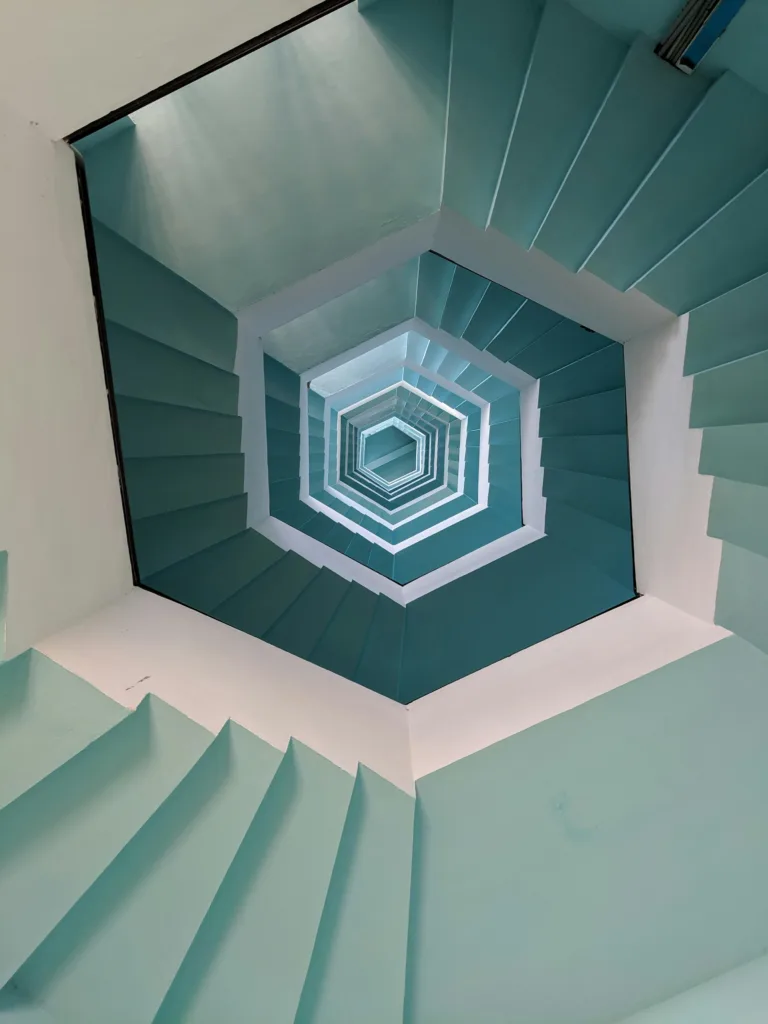
Architectural design is a multifaceted discipline that blends functionality with aesthetics to create spaces that are not only visually appealing but also serve their intended purposes effectively. This essay delves into the intricate relationship between form and function in architectural design, exploring how architects balance practical considerations with artistic expression to shape the built environment.

At the core of architectural design lies the principle of functionality. Buildings must fulfill specific functional requirements dictated by their intended use. Whether designing a residential home, a commercial office space, or a cultural institution, architects must carefully consider factors such as spatial layout, circulation flow, structural stability, and environmental performance. Functionality encompasses not only the practical aspects of a building’s design but also its ability to adapt to the evolving needs of its occupants over time.

In addition to meeting functional requirements, architectural design is inherently concerned with aesthetics—the visual and sensory experience of the built environment. Aesthetics encompass various elements, including form, proportion, scale, materiality, texture, and color. Architects leverage these elements to evoke emotional responses, create memorable experiences, and communicate cultural or symbolic meanings through their designs. Aesthetic considerations play a crucial role in shaping the identity and character of a building, contributing to its overall impact on the surrounding context and the people who interact with it.

The relationship between form and function in architectural design is complex and dynamic. While functionality sets the practical parameters within which architects operate, form provides the means through which they express their creative vision. Successful architectural design strikes a delicate balance between these two aspects, ensuring that the functional requirements of a building are met without compromising its aesthetic integrity. This interplay between form and function often gives rise to innovative solutions and creative design solutions that enhance both the usability and visual appeal of a space.

Architectural design is a dynamic process that requires architects to navigate the intricate relationship between functionality and aesthetics. By balancing practical considerations with artistic expression, architects create buildings that not only meet the needs of their users but also inspire, delight, and endure as timeless works of art. In embracing this holistic approach to design, architects have the power to shape the built environment in ways that enrich the human experience and leave a lasting legacy for future generations.

THINGS YOU SHOULD KNOW ABOUT FIRE ALARM DETECTION SYSTEM IN CONSTRUCTION

THINGS YOU SHOULD KNOW ABOUT FIRE ALARM DETECTION SYSTEM IN CONSTRUCTION

Among a building’s life safety systems, fire alarm systems are arguably the most essential. Not only do they save numerous lives annually, but they also frequently control other building systems and help property owners save a ton of money by reducing damage to their houses.

WHAT IS FDAS?

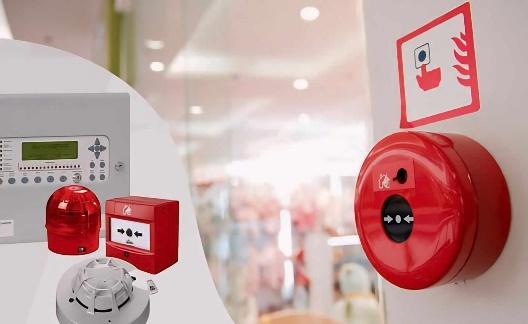
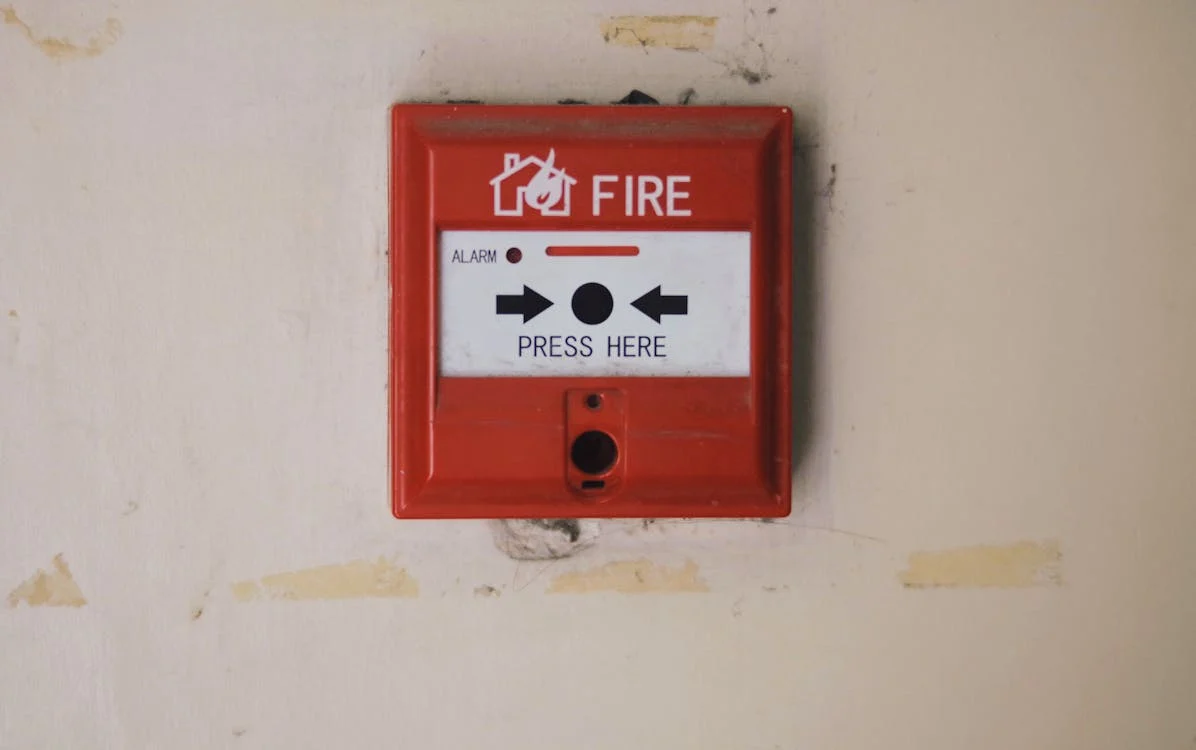
FDAS, which stands for Fire Detection and Alarm System, is a system that notifies people when there is a fire in an area that is under central monitoring and management. These self-monitoring systems identify the source of the alerts within the building or buildings and detect wiring and connection issues that could prevent the system from functioning properly.

HOW DOES FDAS WORKS?

FDAS is particularly helpful for locations or institutions, such as enterprises and other industries, where large numbers of people meet, congregate, or gather. Smoke or heat detectors that are wired to the main fire alarm control panel give signals that set off the alarms, activating the fire detector. Public address systems, access control systems, and other emergency evacuation systems are frequently linked to FDAS systems. 

There are three different types of fire alarm systems

Conventional FDAS – a conventional fire alarm system employs analog technologies. Its devices are made up of zones, and they are analog in the sense that they communicate with the control panel by electrical currents. It is mostly fit for businesses without many divisions or rooms and those with open areas that good for a traditional FDAS.

Addressable FDAS – an addressable fire alarm system makes use of digital technology which relays information on the panel in the form of binary codes. It is recommended for businesses or establishments containing a lot of partitions or rooms.

Semi-Addressable FDAS – it is a combination of addressable and conventional. Its control panel is addressable type while its detectors are conventional. The addressable panel can be mixed with conventional detectors through a module. It can be used by businesses that want to upgrade their system or depending on their requirements.

Small businesses also use conventional fire alarm systems such as FDAS in spas, FDAS for restaurants and FDAS for cafes. Although some office spaces have multiple rooms, some FDAS office buildings use conventional systems. An example of this is FDAS for data centers, a small but important facility. In the case of FDAS for construction, companies such as construction sites often pose a significant risk of going undetected, having different needs or requirements. In some cases, stand-alone devices are sufficient, but as the site grows, so do the fire detection and alarm systems, so modifications still need to be made in the process.

In summary, understanding how FDAS works is important, as it works by continuously monitoring for signs of fire, sounding an alarm to warn occupants and authorities of potential danger. These systems play a vital role in early detection of fires and rapid response, improving overall safety and reducing the risk of property damage and injury. 

Top Architectural Design Trends 2024

Top Architectural Design Trends 2024

Top Architectural Design Trends 2024

1. Biophilic Design

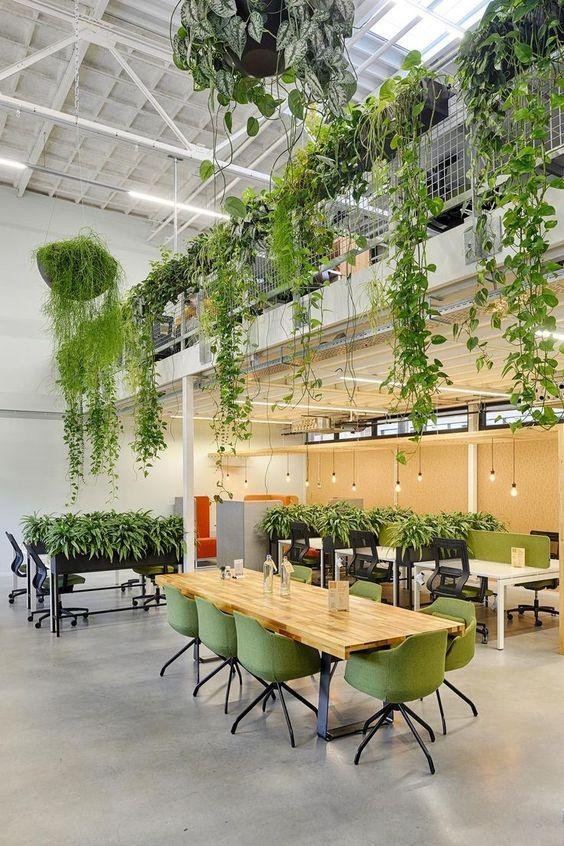
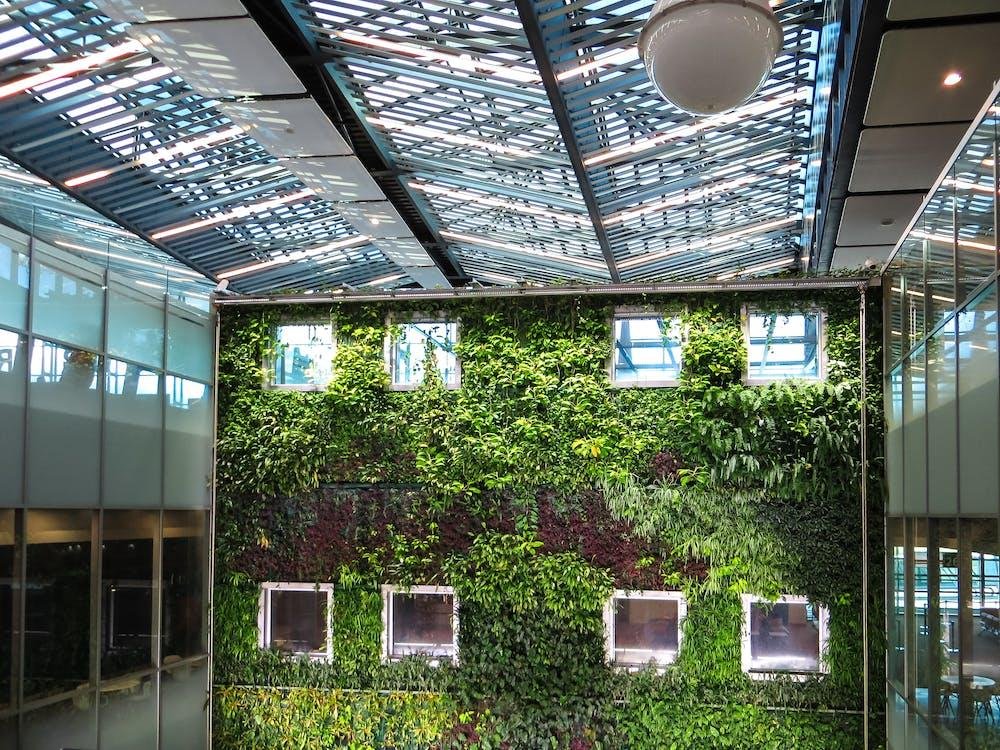
A pattern you’ll see throughout architectural trends in 2024 is the incorporation of nature and a need for spaces to contribute to our well-being. This is the concept of biophilic design, where designers seek to connect people with nature in built environments. Biophilic design is not just about adding more potted plants — it should be a key consideration throughout the entire design process and positively impact the experience of people who use the space.

As part of this trend, natural materials such as wood and stone are rising in popularity, as well as rooftop and indoor gardens, living plant walls and water features. Designers include biophilic principles in building design by mimicking nature and providing access to outdoor spaces with patios and balconies. You’ll also see spaces that blend the indoors and outdoors through increased natural lighting, windows and airflow. These biophilic design elements will create

2. Sustainable Architecture

As we progress through the years, the need for more sustainable practices increases. In 2024, it’s no longer a choice — it’s a requirement, and architects are incorporating sustainability into buildings in every possible way.

As part of this initiative, architects will increase the energy efficiency of buildings with energy-saving equipment, solar panels, rainwater harvesting systems and LED lighting. Building design will also decrease the need for heaters and air conditioners through proper ventilation, insulation and natural lighting from windows and skylights.

Designers will choose more sustainable materials throughout construction and decoration. This year, take more care to source materials locally and from eco-friendly suppliers. Recycled and natural materials that are high quality and long-lasting are also popular choices for sustainability. In particular, you’ll see more bamboo, recycled plastic and reclaimed wood or steel. When combined, these practices will significantly reduce waste and carbon emissions.

3. Flexible, Multifunctional Spaces

How we live and work evolves as more people work from home or adopt hybrid work models. As a result, offices have to adapt to fluctuating attendance, and living spaces need to provide a productive work environment. This year, architects will design buildings with flexibility in mind so spaces can change according to individual needs.

4. Natural Colors

Color will always be a key consideration throughout architectural design, as color can affect us subconsciously and invoke specific feelings. This year, natural colors such as brown, blue and green have increased in popularity, most likely thanks to design trends focused on well-being and nature.

Brown: Add more chocolate brown and warm, earthy colors to your designs going into 2024. The color brown invokes feelings of safety, comfort and warmth. Brown colors also combine well with organic textures like wood.

Blue: Another color you’ll see more of in 2024 is blue, especially robin’s egg blue and shades of cobalt. Blue is a natural color that brings feelings of tranquility and calmness.

Green: Green has been prevalent in design trends for a few years now, and this year will be no different. Shades of green — from muted sage green to bright emerald green — will be particularly popular in 2024. Green is another natural color that makes people feel relaxed and hopeful.

5. Smart Technology Integration

While smart technology has become more popular in recent years, it will be even more prevalent throughout 2024. This year, technology architecture trends focus on incorporating smart devices into the design of the building itself and improving people’s lives more than ever before.

In both homes and commercial spaces, architects will include devices that suit individual needs. In line with sustainability initiatives and energy efficiency, smart lighting systems and climate control will increase. Voice-activated controls will also be popular for more convenience, and smart security systems will enhance safety. As new technology emerges, architects and designers will have even more options to improve the functionality of buildings and make life easier.

Unlocking the Hidden Benefits of Green Design in Construction

Green Design in Construction

Hidden Benefits of Green Design in Construction

In the bustling world of construction, where deadlines and budgets often take precedence, the concept of “green design” might seem like an additional burden. However, diving deeper into the realm of sustainable construction reveals a treasure trove of benefits that extend far beyond the immediate project. Let’s explore the often-overlooked advantages of incorporating green design principles into construction projects.

1. Environmental Preservation

Embracing green design means treading lightly on the environment. By opting for eco-friendly materials, minimizing waste, and maximizing energy efficiency, construction projects can significantly reduce their environmental footprint. From lowering greenhouse gas emissions to conserving precious natural resources, each sustainable choice contributes to the preservation of our planet for future generations.

Unlocking the Hidden Benefits of Green Design in Construction

2. Cost Savings Over Time

While the upfront costs of implementing green design elements may seem daunting, they often translate into substantial savings over the long term. Energy-efficient buildings, for example, require less energy for heating, cooling, and lighting, resulting in lower utility bills. Additionally, green buildings tend to have higher resale values and lower operating expenses, making them attractive investments in the eyes of both owners and tenants.

Unlocking the Hidden Benefits of Green Design in Construction

3. Improved Occupant Health and Comfort

Green buildings aren’t just good for the environment—they’re also beneficial for the people who inhabit them. By prioritizing indoor air quality, natural lighting, and thermal comfort, green design creates healthier and more comfortable living and working environments. Studies have shown that occupants of green buildings experience fewer health complaints, increased productivity, and higher satisfaction levels compared to those in conventional buildings.

Unlocking the Hidden Benefits of Green Design in Construction

4. Enhanced Resilience and Durability

Climate change is increasingly posing challenges to the built environment, from extreme weather events to rising sea levels. Green design equips buildings with features that enhance resilience and durability, such as robust insulation, stormwater management systems, and flood-resistant design strategies. By future-proofing structures against environmental risks, green construction ensures their longevity and adaptability in the face of changing conditions.

Unlocking the Hidden Benefits of Green Design in Construction

5. Positive Brand Image and Marketability

In today’s environmentally conscious society, businesses and organizations are under growing pressure to demonstrate their commitment to sustainability. Green buildings serve as tangible symbols of this commitment, showcasing an organization’s values and priorities to clients, customers, and the community at large. Moreover, green certifications such as LEED (Leadership in Energy and Environmental Design) or BREEAM (Building Research Establishment Environmental Assessment Method) can enhance a building’s marketability and attract environmentally conscious tenants and buyers.

Embrace the Green Advantage

From environmental stewardship to financial savings and occupant well-being, the benefits of green design in construction are manifold and far-reaching. By embracing sustainable practices and prioritizing green design principles, construction projects can not only minimize their impact on the planet but also unlock a myriad of hidden advantages that contribute to long-term success and prosperity.

Are you ready to harness the power of green design in your next construction project? Join the movement towards a more sustainable and resilient built environment, and let’s build a greener future together.

The Importance of Swimming Pool Maintenance

The Importance of Swimming Pool Maintenance: Ensuring Clean, Safe, and Enjoyable Recreation

Importance of Swimming Pool Maintenance

Swimming pools serve as oases of relaxation, exercise, and recreation for millions around the world. However, the allure of crystal-clear waters and refreshing dips can quickly fade if proper maintenance is neglected. In this essay, we’ll explore the significance of swimming pool maintenance in preserving water quality, ensuring safety, and enhancing the overall enjoyment of this beloved aquatic amenity.

Maintaining optimal water quality is paramount to the enjoyment and safety of swimmers. Proper chemical balance, including pH levels, chlorine or other sanitizers, and alkalinity, is essential in preventing the proliferation of harmful bacteria and algae. Regular testing and adjustment of these parameters ensure that the water remains clean, clear, and free from contaminants. Neglecting water quality maintenance can result in cloudy, murky water that poses health risks to swimmers and detracts from the pool’s aesthetic appeal.

Regular cleaning and sanitation are necessary to remove debris, dirt, and organic matter from the pool’s surface and walls. Skimming the surface daily to remove leaves, insects, and other debris prevents them from sinking and decomposing, which can compromise water quality and clog filtration systems. Additionally, vacuuming the pool floor and walls, brushing surfaces, and cleaning skimmer baskets and filters help maintain a clean and inviting swimming environment. Failing to address cleanliness and sanitation can lead to unsightly algae growth, surface staining, and increased maintenance costs.

The pool’s filtration system plays a crucial role in removing impurities and maintaining water clarity. Regular maintenance of the filter, pump, and other components is necessary to ensure optimal performance and efficiency. Backwashing or cleaning the filter regularly prevents clogging and ensures proper filtration of debris and contaminants. Neglecting filtration system maintenance can result in poor water circulation, reduced filtration efficiency, and increased chemical demand, leading to cloudy or dirty water.

Preventative maintenance helps identify and address potential issues before they escalate into costly repairs or downtime. Regular inspections of the pool and its equipment allow for early detection of leaks, cracks, or equipment malfunctions. Prompt troubleshooting and repair of problems such as malfunctioning pumps, leaks in plumbing, or deteriorating pool surfaces prevent further damage and ensure uninterrupted enjoyment of the pool.

In addition to water quality and cleanliness, pool maintenance encompasses various safety considerations. Proper installation and maintenance of safety equipment, such as pool covers, fences, and alarms, are essential to prevent accidents and injuries, particularly among children and non-swimmers. Enforcing pool rules, providing supervision, and promoting responsible behavior further contribute to a safe and enjoyable swimming experience for all.

In conclusion, swimming pool maintenance is essential for preserving water quality, ensuring safety, and enhancing the overall enjoyment of this cherished recreational amenity. By prioritizing regular maintenance practices such as water testing, cleaning, filtration system maintenance, and safety measures, pool owners can create a clean, safe, and inviting environment for swimmers of all ages to enjoy. Ultimately, investing time and effort in proper pool maintenance yields invaluable returns in terms of health, safety, and recreational satisfaction.