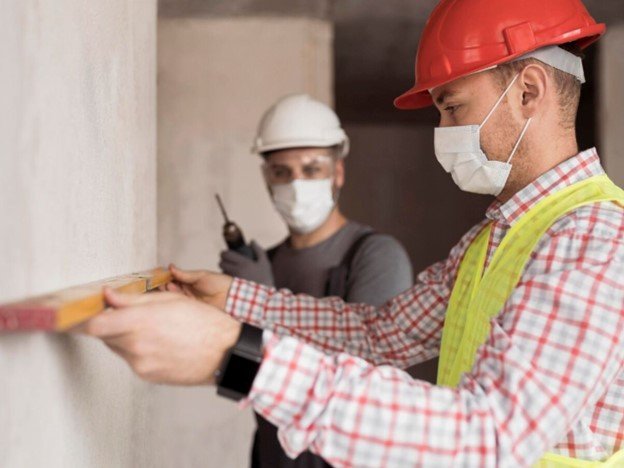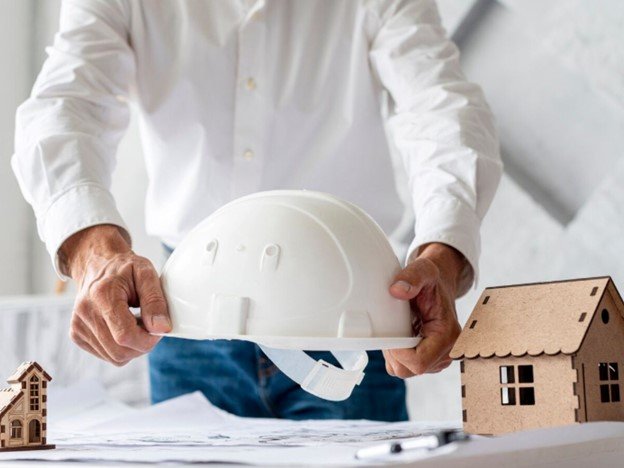
a man wearing headphones standing on top of a wooden structure

Understanding the Costs of Building a House in the Philippines: A Comprehensive Breakdown

a man wearing headphones standing on top of a wooden structure

Introduction to House Construction Costs

Building a house in the Philippines is an endeavor that requires not only vision and planning but also a keen understanding of the associated costs. The concept of house construction costs encompasses a wide range of expenses ranging from land acquisition and materials procurement to labor and permits. For potential homeowners and builders, understanding these costs is crucial in making informed decisions, budgeting appropriately, and avoiding financial pitfalls during the construction process.

Numerous factors influence the disparities observed in construction expenses. These factors can include the geographic location of the project, as costs may vary between urban and rural areas. Urban locations often have higher labor and material expenses, yet they may also present more access to resources and skilled labor. Additionally, the choice of construction materials plays a significant role in defining overall expenditure. Selecting premium materials typically leads to increased costs, while opting for more budget-friendly options can provide some relief without compromising too much on quality.

The house’s design and specifications are also pivotal in determining construction costs. Custom-designed homes with unique features tend to incur higher expenses, while standardized plans may yield more predictable budgets. Other considerations include compliance with local building codes, which can necessitate additional fees for permits and inspections, further impacting the overall financial commitment required for construction.

As we delve into a more comprehensive breakdown of the costs associated with building a house in the Philippines, it becomes evident that meticulous planning and understanding of these financial variables will pave the way for a smoother construction experience. This knowledge base empowers homeowners and builders alike to navigate the complexities of house construction with confidence.

Understanding Land Acquisition Costs

When embarking on the journey to build a house in the Philippines, acquiring land represents one of the foremost expenses. This initial cost can significantly affect the overall budget and should be understood in the context of various influencing factors. The location of the property is a critical determinant; land prices vary dramatically between urban and rural areas. For instance, prime locations in Metro Manila generally command higher prices compared to outskirts or regions in less populated provinces.

In addition to location, the size of the land directly impacts the total acquisition cost. Larger plots incur higher costs, while smaller parcels might be more affordable, but may pose challenges in fitting larger home designs. It is essential to calculate how much land is necessary before finalizing a purchase, as unnecessary expenditures on excess land can strain finances. Furthermore, the type of ownership, such as freehold or leasehold, also influences the cost. Foreign buyers in the Philippines face restrictions on land ownership, often necessitating structured arrangements, such as long-term leases or partnerships with Filipino citizens, which can introduce additional expenses.

Beyond the purchase price, several supplementary costs can arise during the land acquisition phase. Property taxes must be considered, as these can accumulate annually, impacting long-term ownership costs. Moreover, the processes of land titling and registration can incur fees that vary based on the property’s value and the region. Understanding these factors is vital for anyone looking to invest in land for housing in the Philippines, as a thorough assessment of all associated costs can lead to better financial planning and cost management.

Design and Architectural Fees

The design and architectural fees are critical components in the overall budget for building a house in the Philippines. Architectural services can significantly influence both the aesthetics and functionality of a new home, making it essential to understand the various options available for prospective homeowners. In general, there are two main types of architectural services: custom designs and pre-made plans. Custom designs are tailored specifically to the individual’s requirements and preferences, whereas pre-made plans offer standardized designs that can be adapted to suit specific needs at a lower cost.

When considering custom designs, it is important to engage with an architect who can translate your vision into a detailed house plan. Fees for custom architectural designs can vary widely, typically ranging from 5% to 15% of the total construction budget. Factors influencing these fees include the complexity of the design, the scope of services provided, and the experience level of the architect. On the other hand, pre-made plans often carry a more straightforward pricing structure, with costs usually falling between PHP 30,000 to PHP 70,000 depending on the design’s complexity and the architectural firm’s reputation.

Budgeting for architectural fees should be conducted early in the planning process to ensure that funds are allocated appropriately. Homeowners are advised to obtain multiple quotes and review proposed services carefully before making a decision. Additionally, understanding the various phases of architectural work—such as initial consultation, design development, and final construction documents—can help homeowners gauge when payments are due throughout the construction timeline. Ultimately, investing in quality design and architectural services not only impacts the immediate costs but also enhances the long-term value and livability of the home.

Material Costs: Budgeting for Construction Supplies

When embarking on the journey of building a house in the Philippines, understanding material costs is crucial for effective budgeting. Construction supplies are essential components of any building project. They not only constitute a significant portion of the overall expenditure but also affect the quality and longevity of the structure being built. The costs associated with these materials can vary widely based on factors such as sourcing, quality, and fluctuating market conditions.

In general, the most commonly used construction materials include cement, steel, and bricks. Cement is a foundational material, primarily appearing in various mixtures and formulations. Its price ranges from ₱200 to ₱300 per 40 kg bag, with variations depending on brand and quality. Steel, used for reinforcement in concrete structures, can also significantly impact the budget. Current price trends show that steel bars cost about ₱40,000 to ₱60,000 per ton, contingent on global market fluctuations and local availability.

Bricks, another essential material, present a choice between basic clay bricks and premium options like concrete or environmentally friendly blocks. Basic clay bricks usually range from ₱6 to ₱15 per piece, while premium bricks may cost ₱25 or more, depending on aesthetics and insulation properties. Ultimately, the choice of materials will not only shape the budgetary considerations but will also influence the overall functional and aesthetic characteristics of the house.

Additionally, it’s important to consider the impact of market conditions such as supply chain interruptions, which can lead to increased prices. Moreover, local government policies and economic situations can affect material costs, making it a smart practice to conduct regular market surveys to stay informed on prevailing rates. Thoughtful budgeting for construction supplies can thus ensure that the building project proceeds smoothly, adhering to both financial constraints and quality expectations.

Labor Costs: Hiring Builders and Workers

When embarking on the journey of constructing a house in the Philippines, understanding labor costs is crucial for effective budget management. Labor expenses can significantly vary depending on the type of workers hired and their level of expertise. The primary categories of laborers in residential construction include skilled laborers, contractors, and support staff, each contributing to the overall project in specific ways.

Skilled laborers include masons, electricians, plumbers, and carpenters. Their wages can be influenced by several factors, including geographic location, demand for construction in the area, and individual expertise. Generally, skilled laborers in urban regions command higher wages compared to those in rural settings. For instance, artisans with advanced skills or certifications may earn around 600 to 1,200 PHP per day, while general laborers typically earn between 350 to 600 PHP daily.

Contractors also play a pivotal role in the building process as they manage the overall project and supervise the work of laborers. Engaging a reputable contractor often entails a higher upfront cost but can ultimately lead to savings by minimizing errors and ensuring adherence to building specifications. Contractors typically charge a fixed fee or a percentage of the total project cost, ranging from 10% to 20% depending on their experience and the scope of work involved.

Support staff, such as site administrators and safety officers, are further essential to maintaining project flow. Their daily rates can vary greatly, influenced by their qualifications and responsibilities. The availability of workers can also significantly impact labor costs, affected by fluctuations in the construction industry and local economic conditions. To navigate the complexities of labor costs and secure the right personnel for building a house in the Philippines, it is advisable to conduct thorough research and consider engaging experienced professionals. This diligence can ultimately lead to a more efficient and cost-effective construction process.

Building a house in the Philippines involves compliance with various regulations, necessitating the acquisition of several permits and licenses. One of the primary documents required is the building permit, which authorizes construction activities. This permit is usually issued by the local government unit (LGU) and costs roughly between PHP 10,000 and PHP 30,000, depending on the location and size of the project. Securing a building permit typically requires submitting a set of architectural and engineering plans, along with other necessary documents such as land titles and identification proofs.

Another critical requirement is the Environmental Compliance Certificate (ECC), particularly for projects in ecologically sensitive areas. The ECC ensures that the construction will not harm the environment and involves an assessment that can cost anywhere from PHP 15,000 to PHP 50,000, depending on the project’s impact level. Additionally, zoning clearances may be mandated to confirm that the proposed construction aligns with local zoning ordinances. The fees for zoning clearances can range from PHP 5,000 to PHP 20,000, subject to local jurisdiction and specific project characteristics.

In some situations, it may be prudent to engage legal assistance to navigate property issues or disputes that could arise during the permitting process. Legal fees for hiring a lawyer can vary widely but generally range from PHP 1,500 to PHP 5,000 per hour or a flat fee based on case complexity, potentially escalating overall costs significantly. Therefore, it is essential to budget for both permit costs and potential legal expenses as they can cumulatively represent a substantial percentage of the total construction costs.

Utilities and Infrastructure Costs

When constructing a house in the Philippines, one of the essential factors to consider is the costs associated with utilities and infrastructure. These costs can vary significantly based on geographical location, local regulations, and the types of services required. Key utilities include water, electricity, and sewage systems, all of which are crucial for the livability of the home.

Water supply costs typically involve installation fees for connecting to the local water network, which can range from a few thousand pesos to more substantial amounts depending on the distance to the nearest water line and the plumbing requirements. Additionally, homeowners should factor in monthly water bills that usually depend on usage, with charges manageable for smaller households.

Electrical connections also pose significant costs. Installing a new electrical line involves initial fees for connection and additional expenses for wiring, circuit breakers, and any necessary upgrades to comply with safety standards. Unfortunately, electricity costs can fluctuate, leading to variable monthly expenditures that are contingent upon consumption patterns, the efficiency of appliances, and the time of year.

Sewage systems are another critical infrastructure aspect that requires careful consideration. Depending on governmental regulations, some areas may have comprehensive wastewater management systems, while others might necessitate the installation of a septic tank. The cost of these systems varies; maintenance and inspection are essential for ensuring proper functionality, contributing to ongoing financial obligations.

In recent years, many homeowners have begun exploring sustainable solutions, such as solar energy systems. While the initial investment for solar panels can be substantial, they often lead to long-term savings on electricity bills and can provide energy independence. It is essential to evaluate the feasibility and available incentives for such technologies based on location.

Understanding these utilities and infrastructure costs is crucial for budget planning and can significantly impact the overall expenses of building a house in the Philippines.

Interior and Exterior Finishes: Aesthetic Considerations

When constructing a home in the Philippines, one of the most vital aspects to consider is the cost and choice of interior and exterior finishes. These finishes encompass a wide range of components, including flooring, cabinetry, lighting fixtures, and paint, all of which significantly impact the overall aesthetic and functionality of the residence. Homeowners must strike a balance between their desired aesthetic vision and their budget constraints, as the expenses related to finishes can vary enormously based on material quality and style.

For flooring, options range from economically friendly tiles and laminates to luxurious hardwoods and stones. The price for each of these materials can differ considerably, making it important to prioritize durability and maintenance in the decision-making process. Likewise, cabinetry is essential for both kitchen and bathroom spaces; choosing modular cabinets can result in substantial cost savings while still offering a modern look that fits within the desired budget.

Lighting fixtures play a dual role in aesthetic appeal and functionality. Homeowners should consider investing in energy-efficient options that not only illuminate the space effectively but also reduce electricity costs in the long run. The variety of styles—from contemporary to traditional—provides ample opportunity to reflect personal taste without overspending.

Paint is another important element of home finishing that directly influences both interior and exterior appearances. Selecting the right paint type and color can dramatically enhance the beauty of a home while ensuring protection against the local climate. High-quality paint may have a higher upfront cost but can ultimately lead to savings due to its longevity and lower maintenance needs.

Incorporating thoughtful planning around these finishes can elevate the home’s visual appeal and ensure that the financial investment aligns with personal preferences, thereby contributing to a satisfying living environment.

Overall Budgeting and Tips for Cost Management

Building a house in the Philippines involves various costs that require thorough planning and budgeting. To effectively manage these expenses, it is essential to take a comprehensive approach that encompasses all aspects of construction. This begins with understanding the initial costs, which can range from land acquisition to actual construction and finishing costs. It is crucial to compile a detailed budget that outlines every single expense, including permits, labor, materials, and unforeseen contingencies.

One of the most effective strategies for reducing costs is to source construction materials in bulk. Many suppliers offer significant discounts when larger quantities are purchased, allowing for substantial savings. It is also advisable to shop around for the best prices, comparing quotes from different suppliers. In addition, opting for locally sourced materials can not only reduce transportation costs but also support the local economy.

Another critical aspect of maintaining the budget is hiring reliable contractors. Conducting thorough research and vetting multiple contractors can lead to finding professionals who provide quality work at competitive prices. Establishing clear contracts and timelines can help in managing expectations and keeping the project on track, thus avoiding costly delays.

Moreover, effective project management is key to controlling costs. Setting a realistic timeline and adhering to it minimizes the risk of escalating expenses. Regular communication with contractors and subcontractors can further streamline the construction process and ensure that all parties are aligned with the project’s objectives.

Ultimately, maintaining a flexible mindset can also be beneficial. Unexpected expenses may arise, and being prepared to adapt the budget or timeline can prevent financial strain. By implementing these budgeting strategies and tips, individuals can navigate the complexities of building a house in the Philippines while staying within their financial means.

Conclusion: Making Informed Decisions for Your Dream Home

Understanding the costs associated with building a house in the Philippines is an essential step for anyone looking to realize their dream of homeownership. Throughout this discussion, we have highlighted various key factors that influence construction expenses, such as land acquisition, materials, labor, and additional fees. A comprehensive breakdown of these costs not only provides clarity but also serves as a guide for potential homeowners to navigate the complexities of the construction process effectively.

As you embark on this significant journey, conducting thorough research is paramount. Familiarizing yourself with the local market, current material prices, and labor rates will equip you with the knowledge needed to formulate a realistic budget. Additionally, it is advisable to look into the intricacies of local regulations and permits that can further impact your overall expenses. Every region in the Philippines may have varying costs and requirements, contributing to the need for tailored planning.

Once you have gathered sufficient information, creating a detailed financial plan becomes vital. This plan should encompass all potential expenses, including contingencies for unexpected costs, ensuring you remain financially prepared at every stage of construction. Consulting with professionals, such as architects, builders, and financial advisors, can provide valuable insights and help in making informed decisions. These experts can guide you in choosing quality materials and efficient construction methods that align with your financial capabilities.

Ultimately, being well-versed in the costs of building a house allows prospective homeowners to approach the project with confidence. By conducting proper research, budgeting diligently, and engaging with experienced professionals, you can navigate the process of constructing your home in the Philippines, ultimately leading to an outcome that aligns with both your dreams and financial means.

a couple of tall buildings sitting next to each other

How to Choose the Best Construction Company in the Philippines

a couple of tall buildings sitting next to each other

Choose the Best Construction Company in the Philippines

Choosing the best construction company in the Philippines begins with a clear understanding of your specific project needs. This initial step is crucial, as it allows you to communicate your requirements effectively to potential contractors. Start by identifying the type of construction work that is necessary for your project. This could range from residential buildings, which may encompass single-family homes or condominiums, to commercial projects such as office spaces and retail establishments. Each category comes with its own set of specifications and regulations, making it vital to articulate your needs accurately.

In addition to determining the type of construction, you should assess the scale of your project. Consider factors such as the square footage, the number of floors, and whether there are any special amenities to be included. This will not only help in formulating a budget but also in narrowing down the list of suitable construction companies experienced in handling projects of a similar scale. Furthermore, keep in mind any unique features or challenges that your project may present. For example, if your construction involves complex architectural designs or requires compliance with specific environmental regulations, you will need a contractor adept at navigating those complexities.

Once you have a comprehensive understanding of your project’s requirements, it will be easier to outline your goals and expectations. This approach will not only assist in the selection process of an appropriate construction company but will also foster better communication throughout the duration of the project. By being clear about your project needs, you position yourself to find a contractor that not only meets your specifications but can also contribute valuable insights and suggestions, enhancing the overall outcome of your construction endeavor.

Researching Potential Construction Companies

When embarking on a construction project, the selection of a reliable construction company is paramount. Conducting thorough research is essential to identify potential contractors that can deliver quality work while adhering to timelines and budgets. One effective starting point is to utilize online reviews. Websites such as Yelp, Google My Business, and specialized construction forums often feature feedback from previous clients. These reviews can provide insights into the construction companies’ reputations, their strengths, and any weaknesses they may have exhibited in past projects.

In addition to online resources, tapping into your personal network can yield valuable information. Referrals from friends, family, or colleagues who have recently undertaken similar projects can lead to trustworthy contractors. Personal recommendations often come with candid insights regarding the quality of work, customer service, and overall experience. It is advisable to ask specific questions about the project scope, timelines, and whether the project stayed within budget. Such details will aid significantly in assessing potential construction companies.

Furthermore, consulting industry directories, such as the Philippine Constructors Association, can help uncover reputable contractors. These directories typically include profiles of companies with their service offerings and contact details, making it easier to compile a list of potential candidates. It is important to consider the specialization of construction companies; some may focus on residential projects, while others specialize in commercial construction. By narrowing down your options based on specialization, you can ensure that shortlisted companies possess the pertinent experience required for your specific project.

Ultimately, combining online research, personal referrals, and industry directories will enable you to create a comprehensive shortlist of potential construction companies. This foundational step is crucial for ensuring that your project is executed by qualified professionals, significantly impacting its success.

Checking Qualifications and Licenses

Selecting a construction company requires a thorough understanding of the qualifications and licenses essential for compliance with regulations in the Philippines. A reputable construction firm should possess various licenses and permits that demonstrate their capability to operate within the legal framework of the country. One of the primary documents to check is the Contractor’s License issued by the Philippine Contractors Accreditation Board (PCAB). This license ensures that the company is authorized to engage in construction activities and meets the necessary regulatory standards.

Additionally, verifying the company’s business permits is crucial. This includes the Mayor’s Permit, which legitimizes their operations within a specific locality, and ensures that the company is registered with the Department of Trade and Industry (DTI) or the Securities and Exchange Commission (SEC), depending on whether it is a sole proprietorship or a corporation. These permits ensure that the company adheres to local regulations and fair business practices.

Insurance is another key factor to consider. A construction company should have liability insurance and workers’ compensation coverage. This not only protects the company from potential lawsuits but also safeguards the workers on the site in case of injury. Seeking out proof of insurance also reflects on the firm’s commitment to safety and its overall financial stability.

Furthermore, it is beneficial to check for accreditation or affiliations with professional organizations, such as the Philippine Institute of Civil Engineers (PICE) or the Association of Structural Engineers of the Philippines (ASEP). Membership in these institutions indicates that the company stays updated with industry standards and practices, reinforcing their commitment to quality and compliance.

Careful evaluation of these qualifications and licenses will minimize the potential risks associated with construction projects and ensure that you collaborate with a reliable and competent construction partner.

Evaluating Past Projects and Client Testimonials

When selecting a construction company in the Philippines, evaluating their portfolio of past projects is a crucial step. A comprehensive review of completed works offers insights into the contractor’s capabilities and strengths. Consideration should be given to the diversity of the projects undertaken, as this demonstrates the firm’s adaptability to various construction styles and requirements. A company with a broad range of experience, from residential buildings to commercial infrastructures, showcases its ability to handle different client needs effectively.

The quality of past work is another essential aspect to consider. Inspecting detailed photographs and descriptions of completed projects can provide a sense of the craftsmanship and attention to detail a construction company brings to each job. Pay close attention to finishes, structural integrity, and overall aesthetics. Such analysis not only highlights the company’s skill set but also allows potential clients to envision how their own projects might materialize under the contractor’s guidance.

Moreover, client testimonials serve as invaluable resources in this evaluative process. Positive feedback from previous clients often reflects satisfaction with project execution, adherence to timelines, and communication effectiveness. When scrutinizing testimonials, look for consistent themes regarding the contractor’s reliability and professionalism. Additionally, case studies can offer deeper insights, illustrating a project’s challenges and how the company overcame them. This adds a layer of complexity to the evaluation, showcasing the firm’s problem-solving abilities and flexibility.

In summary, a thorough examination of a construction company’s past projects and client feedback can significantly aid in decision-making. By carefully assessing these elements, prospective clients can make more informed choices and find a construction partner that aligns with their project’s specific requirements and expectations.

Assessing Communication and Professionalism

Effective communication is a foundational aspect of any successful construction project. When selecting a construction company in the Philippines, it is vital to evaluate their communication style, responsiveness, and overall professionalism from the outset. An organization that prioritizes transparent communication will likely foster a smoother project execution and collaboration.

To assess a company’s communication capabilities, begin by observing how promptly they respond to inquiries. A reputable construction firm should provide timely feedback and exhibit willingness to engage in discussions regarding your project. Lengthy delays in their responses may indicate a lack of professionalism or insufficient prioritization of client needs. As you evaluate different companies, consider their ability to maintain open lines of communication and provide clear, concise answers to your questions.

Furthermore, the manner in which a construction company presents its estimates serves as a reflection of their professionalism. Look for detailed, well-structured proposals that clearly outline the scope of work, timelines, and costs. An effective proposal should also highlight contingencies, allowing clients to understand potential changes or additional expenses that may arise during the project. If a company fails to provide clarity or is vague in their estimates, it may signal a lack of experience or accountability.

Additionally, professionalism can be gauged by observing how punctual a construction company is during meetings and appointments. Consistently arriving on time not only showcases respect for your time but also demonstrates reliability and commitment to your project. The preliminary interactions with the company can offer crucial insights into their long-term behavior and work ethic, making it essential to pay attention to these early encounters.

Ultimately, a thorough assessment of communication and professionalism will aid in selecting the right construction company for your project. By prioritizing these factors, you can enhance the likelihood of a successful partnership and a smoothly executed construction plan.

Understanding Pricing and Payment Terms

Cost considerations play a crucial role when selecting a construction company in the Philippines. Various pricing models exist within the construction industry, which can significantly influence your overall budget and project timeline. The most common models include fixed-price contracts, cost-plus contracts, and time and materials contracts. A fixed-price contract establishes a predetermined total cost for the entire project, offering clarity and predictability. On the other hand, cost-plus agreements can lead to variable expenses, as they require the client to cover the contractor’s expenses plus a nominal fee or percentage as profit. It is essential to carefully evaluate which pricing model aligns with your project’s goals and financial capabilities.

Obtaining detailed estimates is paramount to avoid misunderstandings and potential conflicts during construction. A transparent estimate should outline material and labor costs, project scope, timeline, and any additional fees that may arise. As a client, ensure that the estimate is itemized and includes a contingency fund for unforeseen circumstances. This practice also enables you to compare quotes from different companies effectively and assess the reasonableness of proposed costs.

Payment terms are another vital aspect of the construction process. Typically, contractors require a deposit before the project begins, often ranging from 10% to 30% of the total estimated cost. Following this, payment schedules may be based on project milestones, allowing cash flow management. Be vigilant about any terms that require substantial upfront payments or penalties, as these could indicate hidden costs or financial instability. Furthermore, always read the contract diligently to avoid unexpected charges and ensure clarity regarding payment timelines. Establishing a clear understanding of pricing and payment terms is fundamental to fostering a successful relationship between a client and their chosen construction firm.

Considering Warranties and After-Service Support

When engaging a construction company in the Philippines, it is essential for clients to consider the warranties offered for the work completed. Warranties serve as a safeguard for the investment being made, as they outline the responsibilities of the contractor regarding materials and workmanship. Typically, there are two primary types of warranties: material warranties and workmanship warranties. Material warranties guarantee that the supplies used will hold up against defects for a specific period, while workmanship warranties assure that the construction methods applied meet the required standards and are free from faults.

It is important to understand the scope of these warranties thoroughly. A robust warranty not only protects the client but also reflects the construction company’s confidence in their work and the quality of materials utilized. Clients should inquire about the specific duration of warranties and the procedures for filing any claims, ensuring clarity on what is covered and what is not. This proactive approach can minimize potential future disputes and provide peace of mind.

In addition to warranty considerations, after-service support plays a critical role in fostering a long-term relationship with the chosen construction company. This support can encompass everything from routine maintenance and repairs to more extensive renovations. A reliable contractor should be willing and available to address any post-project issues that may arise, allowing for continuous engagement and collaboration. Having a trustworthy partner who is familiar with the specifics of the project can enhance the efficiency of any subsequent work required.

Ultimately, a combination of comprehensive warranties and dedicated after-service support can significantly enhance the overall construction experience. Being well-informed about these aspects encourages clients to select a construction company that will not only meet their immediate needs but also uphold a quality assurance standard that extends beyond project completion.

Meeting and Interviewing Candidates

Once you have shortlisted potential construction companies in the Philippines, the next critical step is to arrange meetings and conduct interviews with them. Engaging in face-to-face discussions provides an invaluable opportunity to assess each company’s qualifications, methodologies, and overall compatibility with your project requirements. It is essential not only to evaluate their technical competencies but also to gauge how well they align with your vision and corporate culture.

During the interview, it is advisable to prepare a set of key questions that will stimulate meaningful conversations. Start by asking about their experience with similar projects, as this will give you insights into their ability to handle specific challenges that may arise. Questions regarding project timelines are crucial; inquire about how they plan to schedule and manage the various phases of construction. Understanding their approach to deadlines will help you ascertain their organizational skills and commitment to timely delivery.

Additionally, discussing management processes is essential. Inquire about their project management tools and techniques, as well as how they communicate with clients and subcontractors throughout the project lifecycle. This understanding is vital in establishing how effectively they will keep you updated on progress and potential issues, thereby ensuring transparency.

Furthermore, consider discussing the company’s culture and values. Understanding their business philosophy can provide clarity on whether their work ethic aligns with your expectations. Compatibility in this regard is often overlooked but can significantly influence the smoothness of the working relationship.

Ultimately, the interviews serve as an opportunity to not only evaluate technical skills but also to build rapport. A positive relationship with the construction company can greatly enhance the project’s success, making the effort of meeting face-to-face all the more important.

Making the Final Decision

Choosing the best construction company in the Philippines is a pivotal step that will significantly impact your project’s outcome. After gathering all necessary information and feedback, it is essential to weigh these factors systematically to make an informed selection. Several key criteria should guide your final decision, including cost, reliability, quality of work, and overall fit for the project.

First and foremost, consider the estimated costs provided by each construction company. While it is crucial to work within your budget, it is also important to understand the pricing structure—whether it is a fixed price, time and materials, or another arrangement. Be wary of quotes that seem too good to be true, as they may involve hidden fees or compromise on quality. Prioritize companies that provide transparent bids and are willing to discuss their pricing in detail.

Reliability is another critical factor to consider. Research the company’s track record by checking reviews, requesting references, and assessing their history regarding project completion and adherence to timelines. A company with a high level of reliability not only inspires confidence but can also protect you from potential delays and cost overruns.

Quality of work cannot be overlooked. Review their past projects to evaluate the craftsmanship, materials used, and overall aesthetics. This will give you a clear picture of what to expect in terms of quality. Additionally, consider whether they possess the necessary licenses and accreditations that demonstrate compliance with industry standards.

Lastly, assess the overall fit of the construction company for your specific project. Effective communication and understanding your project’s unique needs are crucial for any successful partnership. Ensure that the selected company aligns with your values, objectives, and expectations, which will lead to a smoother process and a successful outcome.

man using welding machine

A Complete Guide to Construction Permits in the Philippines

man using welding machine

Introduction to Construction Permits

Construction permits are essential legal documents required before initiating any construction project in the Philippines. These permits serve as a formal authorization granted by the government, ensuring that building activities comply with existing regulations, safety standards, and zoning laws. The primary purpose of obtaining a construction permit is to ensure the protection of public safety, health, and welfare while promoting responsible development within the community.

The importance of construction permits cannot be overstated. They are crucial in regulating the construction industry, providing a framework that safeguards the interests of the public, homeowners, and contractors alike. Without the appropriate permits, construction projects may face legal repercussions, including fines, delays, or even complete cessation of work. Additionally, acquiring the necessary construction permits fosters transparency in the building process, ensuring that all stakeholders are aware of the specific requirements and expectations established by local and national regulations.

In the Philippines, the regulatory framework governing construction permits encompasses a series of laws, ordinances, and guidelines established by various government agencies, such as the Department of Public Works and Highways (DPWH), the Housing and Land Use Regulatory Board (HLURB), and local government units (LGUs). These entities work collectively to oversee the issuance of construction permits, ensuring that projects align with the country’s development goals and belt out policies that uphold sustainable practices.

Understanding the construction permit process is vital for various stakeholders, including homeowners embarking on renovation projects, contractors managing large-scale developments, and property developers seeking to build new structures. By grasping the significance of construction permits and adhering to the required regulations, these entities can contribute to a safer and more organized building environment in the Philippines.

Types of Construction Permits

In the Philippines, there are several types of construction permits that one must secure before commencing a building project. These permits are essential to ensure compliance with local regulations and standards. The primary construction permit is the Building Permit, which is mandatory for almost all structures. It serves as an approval from the local government, verifying that the proposed construction plans meet safety and zoning regulations. For instance, a homeowner intending to build a new residence or a commercial entity looking to construct a retail space must obtain a building permit prior to starting any physical work.

Another important type of permit is the Zoning Permit. This permit is particularly necessary when a property owner wishes to use their land for a purpose that differs from its current zoning classification. For example, if an individual wants to convert a residential property into a small business, a zoning permit must be obtained from the local government unit (LGU) to avoid potential legal issues or penalties.

In addition to the above, Environmental Permits are crucial for projects that have potential environmental impacts. The Department of Environment and Natural Resources (DENR) often requires an Environmental Compliance Certificate (ECC) for major constructions, ensuring that environmental protections are in place. Projects such as commercial buildings near ecologically sensitive areas or extensive road construction often necessitate this permit, as it assesses the effects on local ecosystems.

Moreover, specialized constructions like telecommunications towers or large-scale industrial facilities may require additional Specific Permits tailored to their particular needs. These permits can include approvals from regulatory bodies that oversee telecommunications or specific manufacturing activities. Each type of construction permit plays a vital role in maintaining the integrity and safety of building practices in the Philippines, encompassing aspects of public safety, land use, and environmental protection.

The Process of Obtaining Construction Permits

Obtaining construction permits in the Philippines is a critical step in ensuring compliance with local regulations and standards. The process typically begins with the submission of a Letter of Intent to the relevant local government unit (LGU). This letter outlines the proposed construction project, its purpose, and the land on which it will be situated. Following this, applicants need to gather various necessary documentation, including the property title, tax declaration, and plans drafted by a licensed architect or engineer.

Once all documentation has been prepared, an application for a building permit must be submitted to the LGU, accompanied by the comprehensive plans, specifications, and any additional documents such as an Environmental Compliance Certificate (ECC) if required. The local office will conduct a thorough review of the application to ensure it meets all zoning, building, and environmental requirements. This stage can take anywhere from a few weeks to several months, depending on the complexity of the project and the efficiency of the local administration.

It is important to note that various government bodies play a role in the permit issuance process. The LGU, specifically the Office of the Building Official, evaluates compliance with local laws, while the local fire and health departments may assess safety and health regulations. After initial evaluations, applicants may be required to provide additional information or make modifications to their plans, potentially extending the review timeline.

Once approved, the building permit will be issued, allowing construction to commence. However, it is vital to be aware of potential challenges, such as bureaucratic delays and the need for multiple revisions. Staying informed and proactively communicating with the necessary government agencies can mitigate these issues, ultimately facilitating a smoother permit acquisition process.

Costs Associated with Construction Permits

Securing construction permits in the Philippines involves various expenses that homeowners and contractors should budget for. Understanding these costs is essential for effective financial planning and ensuring compliance with local regulations. Primarily, the main fee associated with obtaining a construction permit is the application fee, which varies depending on the project size and complexity. This fee typically covers the initial processing of the submitted application and is often calculated based on the total floor area of the proposed construction.

In addition to the application fee, individuals should also anticipate inspection fees. These charges are incurred when local authorities conduct site inspections to ensure that the construction complies with safety, zoning, and environmental regulations. Depending on the project, multiple inspections may be required at various stages, which can lead to increased total costs. Moreover, additional fees may be associated with the issuance of permits such as signage permits, which are necessary for projects involving significant outdoor advertising.

It’s also worth noting that costs can vary widely depending on the location of the construction project. Urban areas often have higher fees reflective of the increased administrative costs and regulatory requirements. Conversely, rural areas might have lower fees, potentially making them more attractive for certain projects. Additionally, developers should consider potential extra costs such as payment for professional services, including architects, engineers, and legal assistance, which may be required during the permitting process.

To effectively manage these varying expenditures, individuals are advised to create a detailed budget that encompasses all aspects of securing construction permits. This budget should account for both expected and unforeseen costs, providing a clearer financial picture. Engaging with local authorities for accurate assessments of the applicable fees can further aid in financial planning, ensuring that projects align with budgetary constraints while achieving compliance with national and local laws.

Common Challenges and How to Overcome Them

Obtaining construction permits in the Philippines can be a complex endeavor, often fraught with various challenges that can impede progress. One significant hurdle builders frequently encounter is delays in the approval process. These delays may stem from inadequate documentation, backlogs in local government offices, or the complexities involved in the technical review of plans. To mitigate this risk, it is crucial for applicants to thoroughly prepare and submit all required documents, ensuring that they meet the exact specifications laid out by the local government. Additionally, consistent follow-ups can help expedite the review process and keep applicants informed of any impending issues.

Communication misunderstandings with local authorities can also serve as a barrier in securing construction permits. The lack of clarity about requirements or project guidelines can lead to incomplete submissions, necessitating multiple revisions and resubmissions. To address this issue, establishing clear lines of communication with local officials is essential. Engaging in dialogues early in the process allows builders to comprehend local requirements fully. It is beneficial to schedule meetings or consultations to gain insights directly from regulatory bodies, thereby minimizing risks of misinterpretation.

Compliance with various regulations, including zoning laws and safety standards, is another common challenge in the permitting process. Failing to meet these criteria can lead to the rejection of permit applications. To navigate these compliance issues, builders should conduct thorough research on local codes prior to applying for a construction permit. Consulting with professionals such as architects or legal experts who are knowledgeable in this area can provide invaluable assistance. By proactively addressing these challenges, builders can significantly enhance their experience in obtaining necessary permits, paving the way for successful construction projects.

Impact of Non-Compliance with Permit Regulations

Non-compliance with construction permit regulations in the Philippines can lead to a myriad of serious consequences for both individuals and organizations. The importance of securing the appropriate permits before starting any construction project cannot be overstated, as neglecting this critical step can result in severe legal repercussions. If found violating the regulations, builders may face administrative sanctions or even legal actions, which can deter future projects or lead to significant reputational damage.

Financial penalties also play a significant role in the impact of non-compliance. Fines imposed by local government units can vary widely depending on the specific violation and jurisdiction. These financial repercussions can strain project budgets and make it increasingly challenging to deliver projects on time. Consequently, builders may find themselves allocating resources that could have been spent on construction toward settling fines and administrative fees instead.

Furthermore, the absence of proper permits can lead to project delays, as authorities may halt construction until the necessary approvals are acquired. This interruption can frustrate timelines and result in increased costs due to labor and material wastage. For example, a notable case occurred in Metro Manila, where a construction project was ordered to a standstill after it was discovered that the contractor failed to obtain required permits, forcing them to undergo a lengthy review process before resuming work.

Moreover, non-compliance poses significant risks to safety and structural integrity. Without thorough inspections and permits, construction practices may not adhere to established building codes, ultimately placing residents and workers at risk. Unpermitted structures can be unsafe, leading to accidents or even collapses. Hence, it is essential for all parties involved in the construction process to fully understand the implications of failing to comply with permit regulations to avoid these potentially disastrous outcomes.

Regional Variations in Permit Requirements

The construction permitting process in the Philippines is characterized by significant regional variations. These differences arise from the localized governance structures established by various Local Government Units (LGUs), each of which has its own set of rules, regulations, and procedures tailored to their specific needs and circumstances. As a result, understanding the regional context is essential for anyone embarking on construction projects across different areas of the country.

In the National Capital Region (NCR), which includes Metro Manila, the permit requirements tend to be more stringent compared to rural areas. Here, LGUs often impose stricter zoning laws, building codes, and safety standards to accommodate the higher density of population and infrastructure. Consequently, projects in this region may require additional documentation, such as a Certificate of Acceptance and a more comprehensive Environmental Compliance Certificate.

Moving to the Cordillera Administrative Region (CAR), which is known for its mountainous terrain, construction permits often focus on environmental sustainability. Specific guidelines promote adherence to topographical considerations and community impact assessments, which ensure the preservation of the rich cultural heritage and natural landscape.

In contrast, regions like the Autonomous Region in Muslim Mindanao (ARMM) may present entirely unique requirements influenced by cultural practices and local government structures. The permitting process here could involve additional consultations with local stakeholders to ensure that projects align with local customs and regulations.

Understanding these regional variations is critical for developers and contractors as they navigate the complexities of obtaining construction permits. Each LGU provides guidelines that reflect local priorities, and hence, project stakeholders should conduct thorough research into the specific requirements of the locality in which they plan to operate. This tailored approach can be paramount in facilitating smoother construction processes and fostering positive relations with local authorities.

Staying Updated on Construction Laws and Regulations

In the ever-evolving landscape of construction in the Philippines, staying informed about the latest laws and regulations is crucial for builders, contractors, and homeowners alike. The construction permit process is governed by a myriad of rules and guidelines that can change frequently. Consequently, understanding these regulations helps ensure compliance, reduces the risk of legal issues, and promotes overall project efficiency.

One of the primary resources for staying updated is the official website of the Department of Public Works and Highways (DPWH), which frequently publishes updates regarding construction codes, safety regulations, and permit applications. This platform serves as an essential tool for anyone involved in construction, offering direct access to policy changes that may impact project planning and execution.

Local government offices also play a significant role in disseminating information regarding construction permits. Each city or municipality may have its own set of regulations that builders and homeowners must abide by. Regular visits to local offices can provide insights into the specific requirements of a given area, and many local governments have embraced digitalization, providing online resources that help residents stay aware of the necessary guidelines.

Moreover, professional organizations such as the Philippine Institute of Civil Engineers (PICE) or the Construction Industry Authority of the Philippines (CIAP) offer valuable resources for keeping abreast of relevant laws. They often host seminars, workshops, and forums focusing on legislative changes, providing networking opportunities and the chance to exchange knowledge with industry peers.

In conclusion, remaining updated on construction laws and regulations in the Philippines is vital for anyone involved in construction projects. By utilizing government websites, local resources, and professional organizations, stakeholders can navigate the complexities of construction permits with greater confidence and ensure compliance with existing laws.

Conclusion and Final Tips

In the realm of construction in the Philippines, understanding and navigating the complexities of construction permits is paramount for any project. The process, while often perceived as tedious and time-consuming, is built on ensuring safety, compliance, and legality in construction practices. Throughout this guide, we have illuminated the essential steps involved in obtaining construction permits, as well as the various requirements stipulated by local government units. Such knowledge equips prospective builders and developers to emerge successful in their endeavors.

As a fundamental takeaway, proper planning cannot be overstated. Before embarking on any construction project, ensure that you are well-acquainted with the permits required for your specific plans. Engaging with local authorities early in the process can significantly ease the journey, as they can provide crucial insights and guidance on all necessary documentation. Furthermore, maintaining open lines of communication with the relevant government agencies can enhance transparency and foster a collaborative relationship.

Additionally, keeping meticulous records throughout the application process is vital. This includes retaining copies of submitted documents, any correspondence with officials, and a comprehensive log of the timeline involved. These records serve as essential assets should any challenges arise. Moreover, consider seeking assistance from professionals with experience in handling construction permits, as their expertise can be invaluable in navigating bureaucratic intricacies.

Lastly, always remain proactive. Monitor your application status and be prepared to address any requirements or concerns swiftly. By taking initiative and being organized, you stand a better chance of expediting the approval process. Ultimately, a well-prepared approach to securing construction permits can lead to smoother project execution and fulfilling your construction goals in the Philippines.

a couple of tall buildings sitting next to each other

How to Choose the Right Construction Company for Your Project

a couple of tall buildings sitting next to each other

Right Construction Company for Your Project

Choosing the right construction company significantly hinges on your ability to clearly define the scope and requirements of your project. The first step in this determination is to categorize the nature of construction work required. Projects can range from residential builds, such as homes or apartments, to commercial developments, including office spaces or retail establishments. Additionally, specialized projects like road construction or infrastructure development may require distinct expertise. Identifying the category of your project enables you to narrow down potential construction companies that possess relevant experience and knowledge.

Another critical factor to consider is your budget. Establishing a firm budget for your construction project helps in the selection of a company that aligns with your funding capabilities. This budget should encompass all aspects of construction, including labor, materials, and potential contingencies. It is advisable to have a clear financial framework before initiating discussions with construction firms, as this can streamline negotiations and ensure a transparent process. Furthermore, timelines are crucial; defining an expected completion date can impact your choice of a construction company. Firms with a proven track record of completing projects on schedule may be more appealing. Keep in mind that achievable timelines should also account for potential delays due to weather or regulatory approvals.

Finally, awareness of specific regulations and standards applicable to your project cannot be overlooked. Different types of construction work are subject to various local building codes and regulations, which the selected company must be able to navigate effectively. This not only ensures compliance but also enhances the likelihood of a successful project execution. To conclude, a thorough understanding of your project needs can significantly guide your selection process for a construction company, making it an essential step in achieving your construction goals.

Researching Potential Companies

Choosing the right construction company for your project begins with thorough research. To identify potential candidates, a multi-faceted approach can be particularly beneficial. Start by leveraging online resources; numerous websites and directories consolidate information on construction firms. Websites like Angie’s List, HomeAdvisor, or local business directories can provide listings and reviews that reflect the experiences of previous clients. You can also utilize social media platforms, such as LinkedIn and Facebook, to connect with companies and assess their online presence, professional activity, and customer interactions.

Word-of-mouth referrals remain a powerful tool in selecting construction companies. Consult with friends, family, or colleagues who have recently undertaken construction projects. Their firsthand experiences can provide valuable insights and recommendations, helping to narrow down the selection of potential companies. Additionally, consider engaging with local trade organizations or construction associations, as they often have a roster of reputable contractors who have met certain professional standards.

Once you have identified a shortlist of construction companies, it is essential to review their project portfolios. This not only showcases their previous work but also allows you to evaluate their style, quality, and expertise in projects similar to yours. Take the time to visit completed projects, if possible, or examine case studies presented on their websites. Furthermore, ensure that you check each company’s qualifications and certifications, paying close attention to their areas of expertise. For example, if your project requires specialized skills, such as sustainable building practices or historical renovations, it is crucial to confirm that the company has demonstrated experience in that field.

In conclusion, conducting diligent research is key to finding the right construction company for your project. Using online resources, word-of-mouth referrals, and thorough portfolio reviews will help ensure that you make an informed decision.

Checking Credentials and Experience

When selecting a construction company for your project, it is crucial to conduct a thorough vetting process to ensure that you are choosing a qualified and reliable contractor. The first step in this process is to verify the company’s credentials. Ensure that the construction company holds the necessary licenses required by your state or region. Licensing serves as a foundational means of ensuring that the contractor is qualified to perform the work they advertise. Additionally, check that the company carries adequate insurance coverage, including general liability insurance and worker’s compensation. This protects you from potential liabilities arising from accidents or damages that may occur during the construction process.

Another aspect to consider is bonding. A bonded construction company provides an additional layer of security, assuring you that they can complete your project according to the terms of the contract. Bonding can also protect you financially if the contractor fails to fulfill their obligations. Verify these credentials by requesting copies of their licenses, insurance certificates, and bond documents, ensuring they are current and valid.

Experience is another key factor to evaluate when choosing a construction company. Consider the number of years the contractor has been in business; a well-established company is likely to have a more extensive portfolio of completed projects. Request a list of projects similar to yours to gauge their expertise in handling specific types of construction. This can include residential, commercial, or industrial projects, as well as specialized areas such as sustainable building practices or renovation expertise. Evaluating their experience with particular construction methods or technologies can also provide valuable insights into their capabilities. Ultimately, a comprehensive assessment of both credentials and experience will aid you in selecting the right construction company to ensure your project’s success.

Reading Reviews and Testimonials

When selecting a construction company for your project, it is crucial to research customer reviews and testimonials to gain insights into the company’s reputation. Reviews are a valuable resource, allowing potential clients to gauge the experiences of others who have previously worked with the firm. Platforms such as Google, Yelp, and specialized construction websites offer extensive databases of client feedback, making them excellent starting points for your research.

Understanding how to interpret these reviews is essential. Pay attention to consistent comments and patterns that emerge from multiple testimonials. For instance, if several clients highlight the company’s adherence to project timelines, this could be a significant indicator of their reliability. Conversely, if numerous reviews mention delays or subpar quality of work, it may be a red flag worth considering. Look for details about the specific services rendered, as well as the overall satisfaction of previous clients. This can provide clarity on whether the construction firm specializes in projects similar to yours.

Additionally, consider the balance between positive and negative feedback. While no company will have all positive reviews, it is essential to evaluate how the company responds to criticism. A construction business that proactively addresses concerns and seeks to resolve issues demonstrates a commitment to customer satisfaction and professionalism. Furthermore, engaging with client testimonials on multiple platforms can offer a broader perspective on the importance of a construction company’s reputation.

In conclusion, thorough research of customer reviews and testimonials plays a vital role in choosing the right construction company for your project. By utilizing credible sources and interpreting feedback effectively, you can ensure the selection of a dependable and high-quality construction partner.

Interviewing Potential Contractors

Engaging in direct interviews with shortlisted contractors is a pivotal step in selecting the right construction company for your project. During these interviews, it is essential to ask pertinent questions that will reveal not only the contractor’s qualifications but also their approach and compatibility with your project’s vision. Start by inquiring about their previous projects. Ask for a portfolio or examples that reflect their experience in your specific type of construction work, whether it be residential, commercial, or specialized. This will provide insight into their capabilities and the quality of their work.

Next, delve into their project management processes. Inquire about the methods they use to plan and execute projects, such as scheduling, budgeting, and resource allocation. Understanding how a contractor manages these aspects is crucial, as it influences the overall success of your project. Additionally, it is important to discuss their proposed timelines. Ask how they estimate project duration and what factors could affect these timelines. This conversation will help you assess whether the contractor can align with your schedule and commitments.

Communication is another key element to evaluate. Ask potential contractors about their preferred communication methods and how often they update clients during projects. Clear, consistent communication is vital for mitigating risks and ensuring that the project progresses smoothly. During the interview, take note of the contractor’s demeanor and professionalism. A contractor who is knowledgeable, respectful, and attentive is likely to establish a productive working relationship. By asking these essential questions during the interview process, you can make a more informed decision, ensuring that the selected contractor is well-suited for your project’s demands and expectations.

Reviewing Proposals and Estimates

Once you have gathered proposals from various construction companies, the next critical step is analyzing and comparing these documents to determine which company offers the best overall value for your project. Understanding how to effectively review cost estimates and proposals will empower you to make an informed decision.

When evaluating estimates, the first aspect to scrutinize is the cost breakdown. A detailed cost estimate should clearly delineate labor, materials, overhead, and any additional fees. Look for transparency in pricing where each component is itemized; this will enable you to identify any potential hidden costs. Comparing these components across different proposals can highlight discrepancies and provide insight into what each company is including.

Material specifications are another vital consideration. Ensure that the quality and type of materials specified align with your project needs. Verify if any premium materials are suggested and whether they justify a higher cost. Sometimes, a lower initial bid may sacrifice quality, leading to increased costs in the long run. Moreover, pay close attention to the proposed timeline for completion. Timelines should be realistic and consider any potential delays due to weather or material shortages.

It’s also prudent to analyze contingencies included in the proposals. Establishing what to expect should unexpected issues arise is paramount. Look for companies that incorporate reasonable contingencies without inflating the initial budget. Understanding how each contractor handles unexpected costs can impact your evaluation significantly.

Finally, consider any reviews or testimonials regarding the companies’ past performance. It is crucial to select a contractor with a proven track record that aligns with your project expectations. Gathering and assessing this range of information will enable you to choose a construction company that not only fits your budget but also meets your quality and timeline objectives.

Understanding Contracts and Agreements

When engaging a construction company for your project, it is crucial to thoroughly understand the contracts and agreements involved. Contracts serve as the backbone of the professional relationship between clients and contractors, delineating expectations, responsibilities, and terms of service. By emphasizing the significance of reading contracts carefully, clients can avert misunderstandings and ensure that their interests are well-protected.

Key components to scrutinize in a construction contract include payment schedules, project timelines, warranties, and clauses addressing changes or disputes. Payment schedules outline when and how much will be paid at different project phases, and it is prudent to align them with the completion of substantial work. This ensures that subsequent payments are contingent upon satisfactory progress, safeguarding against premature financial disbursement.

Project timelines delineate the start and completion dates, along with important milestones throughout the construction phase. A clear timeline is vital as it provides an expected schedule for both parties; any deviations or delays should be explicitly addressed in the agreement. Additionally, warranties offered by the construction company should be carefully reviewed. They typically cover workmanship and materials, thereby assuring clients that the company stands behind the quality of work provided.

Furthermore, it is essential to pay close attention to clauses related to changes or disputes. Change order provisions allow for modifications to the original scope of work, while dispute resolution clauses lay out the methods for resolving conflicts, such as mediation or arbitration. These provisions can save time and resources should disagreements arise during or after the project. Given the complexity and potential legal implications of construction contracts, consulting with a legal professional is advisable before signing any agreement, ensuring that you fully comprehend all terms and conditions and their implications. This thorough approach to understanding contracts can help cultivate a successful partnership with your chosen construction company.

Evaluating the Construction Company’s Communication

Effective communication in construction is foundational for the successful completion of any project. From initial discussions to final walk-throughs, the manner in which a construction company communicates can significantly impact timelines, budgets, and overall outcomes. Thus, assessing a company’s communication style and responsiveness deserves careful attention during your selection process.

One primary factor to consider is whether the company assigns a designated project manager who will serve as your main point of contact. This individual should be responsible for not only overseeing day-to-day operations but also for ensuring clear and consistent communication between all stakeholders. A dedicated project manager can facilitate the flow of information, addressing any issues that may arise and providing updates on progress. This can enhance trust and promote a collaborative atmosphere, both essential in construction projects.

Regular status updates are another crucial aspect of effective communication. The construction company should have a protocol for providing updates on project milestones, changes, or any challenges encountered during the process. This can take the form of weekly meetings, written reports, or digital project management tools, enabling you to stay informed without having to constantly seek out information. The frequency and clarity of these updates can offer insights into the company’s operational efficiency and commitment to transparency.

Additionally, evaluate the company’s channels for addressing any questions or concerns. A responsive construction company should have multiple ways to connect, whether through phone calls, emails, or project management software. This accessibility is vital in promptly resolving issues that may arise, thus preventing delays and misunderstandings. The ease with which you can get in touch with the team can greatly influence your overall experience and satisfaction with their service.

Finalizing Your Choice

After thoroughly evaluating potential construction companies for your project, the final step involves making a confident and informed decision. This stage is crucial as it sets the foundation for a successful partnership. To ensure that all important factors have been considered, it is beneficial to follow a systematic approach. One useful method is to create a checklist of key considerations.

Begin by confirming that all discussions held with the construction company have been accurately documented. This includes every detail about scope of work, timelines, and costs. It is essential that the final contract reflects these discussions and any verbal agreements should be put in writing. This practice not only minimizes misunderstandings but also protects your interests throughout the project.

Additionally, it is vital to review the credentials and previous work of the construction company once more. Check for valid licenses, insurance, and any certifications relevant to your project’s specific needs. Understanding the company’s previous projects can provide insights into their reliability and craftsmanship.

Next, discuss the payment structure and ensure that it aligns with your budget. Transparency regarding any potential additional costs that may arise during the construction process should also be addressed upfront. Clear communication about payment milestones can foster a healthier working relationship.

Inquire about the timeline for the project and ask how the company plans to handle any unforeseen circumstances that may cause delays. Establishing a proactive plan for addressing setbacks can save significant time and frustration later on.

Finally, ensure that all parties are aware of their roles and responsibilities before the project begins. Establishing clear lines of communication will facilitate smoother operations throughout the construction phase. After confirming that all bases have been covered and you are satisfied with the terms, you can confidently finalize your choice of construction company.

Comprehensive Guide to Home Improvement in the Philippines

Home Improvement Philippines

Introduction to Home Improvement in the Philippines

Home Improvement Philippines

The home improvement landscape in the Philippines has witnessed significant growth in recent years. This burgeoning trend among homeowners to renovate and enhance their living spaces is driven by a variety of cultural and economic factors. As Filipinos increasingly seek to create comfortable and aesthetically pleasing environments, the home improvement sector has become a focal point of attention.

One of the primary drivers behind this trend is the rise of the DIY culture. With the proliferation of online resources and tutorials, homeowners are more empowered than ever to undertake renovation projects themselves. This shift has not only made home improvement more accessible but also more personalized. Filipinos can now tailor their living spaces to reflect their unique tastes and preferences without relying solely on professional services.

Home Improvement Philippines

Furthermore, the influence of social media cannot be overstated. Platforms such as Instagram, Pinterest, and Facebook have become treasure troves of inspiration for home improvement enthusiasts. The constant influx of innovative design ideas and trends has spurred homeowners to experiment with different styles and concepts. This social media-driven desire for visually appealing homes has significantly contributed to the home improvement boom in the Philippines.

Home Improvement Philippines

Economic factors also play a crucial role. As the Philippine economy continues to grow, disposable incomes have risen, allowing more individuals to invest in their homes. Real estate development has also surged, with new housing projects and condominiums offering modern amenities and design elements. This has encouraged both new homeowners and those looking to renovate older properties to embark on home improvement projects.

Home Improvement Philippines

In essence, the home improvement sector in the Philippines is thriving due to a combination of cultural shifts, economic growth, and the pervasive influence of social media. This dynamic environment provides homeowners with ample opportunities to enhance their living spaces, reflecting the evolving tastes and lifestyles of the Filipino population.

Home Improvement Philippines

Planning Your Home Improvement Project

Embarking on a home improvement project in the Philippines requires meticulous planning to ensure a smooth and successful renovation process. The initial step involves setting a realistic budget. This budget serves as a financial roadmap, guiding you through the various expenses that may arise. It’s essential to consider costs related to materials, labor, permits, and potential contingencies. By allocating funds appropriately, you can avoid overspending and ensure that the project remains financially viable.

Home Improvement Philippines

Next, defining the scope of the project is crucial. Clearly outline what aspects of your home you wish to improve, whether it’s renovating a single room or undertaking a more extensive overhaul. This clarity helps in managing expectations and provides a structured approach to the renovation. Assessing the current condition of your home and identifying critical areas that require attention can help prioritize tasks based on necessity and impact. For instance, addressing structural issues or upgrading outdated electrical systems should take precedence over aesthetic changes.

Home Improvement Philippines

Researching necessary permits and regulations is another vital step. Home improvement in the Philippines often necessitates compliance with local building codes and obtaining the appropriate permits. This process may vary depending on the scale and nature of the renovation. Consulting with local authorities or a professional who is well-versed in the regulations can save time and prevent legal complications. Ensure that all paperwork is in order before commencing any construction activities.

Home Improvement Philippines

Finally, a well-thought-out plan should include a timeline. Establishing a realistic schedule helps in managing the project’s duration and aligning it with your daily routine. Consider potential disruptions and plan accordingly to minimize inconvenience. Effective planning not only facilitates a smoother home improvement experience but also enhances the value and functionality of your living space in the Philippines.

Home Improvement Philippines

Popular Home Improvement Trends in the Philippines

As the home improvement landscape in the Philippines evolves, several trends have captured the attention of Filipino homeowners. One of the most prominent trends is the shift towards sustainable and eco-friendly designs. Homeowners are increasingly opting for materials that are not only aesthetically pleasing but also environmentally responsible. This includes the use of bamboo, recycled wood, and other renewable resources. Incorporating solar panels and rainwater harvesting systems are additional steps that Filipinos are taking to reduce their carbon footprint and utility bills.

Home Improvement Philippines

Another significant trend in home improvement in the Philippines is the embrace of minimalist interiors. The minimalist approach, characterized by clean lines, open spaces, and a restrained color palette, is particularly popular in urban settings. For instance, condo dwellers find that minimalist designs maximize their limited space, creating an illusion of a larger, more organized living area. Townhouses and detached houses also benefit from this trend by achieving a clutter-free, serene environment that aligns with contemporary lifestyles.

Home Improvement Philippines

Smart home technology is another exciting trend making waves in the Philippines. From automated lighting systems to smart thermostats, Filipino homeowners are integrating technology to enhance convenience, security, and energy efficiency. Voice-activated assistants, smart locks, and home surveillance systems are becoming standard features in modern Philippine homes. These technologies provide not only comfort but also peace of mind, making daily life more manageable and secure.

Home Improvement Philippines

To incorporate these trends into various home types, homeowners can start with small changes. For instance, adding energy-efficient appliances and low-flow fixtures can make a significant difference in sustainability. Embracing a minimalist aesthetic might involve decluttering and selecting multifunctional furniture pieces. For smart home technology, even simple upgrades like smart bulbs or a smart speaker can transform a home’s functionality.

Home Improvement Philippines

By staying abreast of these trends, Filipino homeowners can ensure that their homes are not only stylish and comfortable but also sustainable and future-ready.

Home Improvement Philippines

Hiring Professionals vs. DIY: What to Consider

When contemplating home improvement in the Philippines, homeowners often face the decision of whether to hire professional contractors or take the do-it-yourself (DIY) route. Each approach has its distinct advantages and disadvantages, which must be balanced against factors such as cost, time, and quality of work.

Home Improvement Philippines

Hiring professionals for home improvement projects can ensure a high standard of work. Professional contractors bring specialized skills and experience that often translate into superior craftsmanship and a faster completion time. They also have access to the right tools and materials, which can be particularly advantageous for complex projects. However, this expertise comes at a cost. Labor charges and the expenses associated with professional-grade materials can make hiring contractors more expensive than DIY solutions. Additionally, finding a reliable contractor requires careful vetting to avoid issues such as delays or subpar work.

Home Improvement Philippines

On the other hand, the DIY approach offers substantial cost savings by eliminating labor costs. For those who enjoy hands-on work, DIY can also be a fulfilling and educational experience. However, it is essential to realistically assess one’s skill level and the complexity of the project. Poorly executed DIY projects can lead to costly repairs and reduced property value. Moreover, DIY tasks can be time-consuming, potentially stretching out over weeks or even months, depending on the scope of work and the homeowner’s availability.

Home Improvement Philippines

To determine whether to hire professionals or go the DIY route, consider the nature of the home improvement project. Structural changes, electrical work, and plumbing are usually best left to professionals due to the technical expertise required and the potential risks involved. Conversely, tasks like painting, minor carpentry, or landscaping may be suitable for DIY enthusiasts, provided they have the necessary tools and knowledge.

In summary, the decision between hiring professionals and undertaking a DIY project depends on multiple factors, including the complexity of the task, budget constraints, and the homeowner’s skill level. Evaluating these aspects carefully can lead to a successful home improvement endeavor, enhancing both the functionality and aesthetic appeal of homes in the Philippines.

Home Improvement Philippines

Cost-Effective Home Improvement Ideas

Home improvement in the Philippines doesn’t necessarily require a substantial budget. Several cost-effective strategies can dramatically transform your living space without straining your finances. One of the simplest yet most impactful projects is repainting walls. A fresh coat of paint can instantly rejuvenate a room, making it feel cleaner and more inviting. Opt for neutral colors to maintain a versatile backdrop that complements various decor styles. A single accent wall in a bold color can also create a focal point, adding character without overwhelming the space.

Home Improvement Philippines

Updating fixtures is another affordable way to modernize your home. Replacing outdated lighting, cabinet handles, or faucets can provide a contemporary touch that enhances both functionality and aesthetics. Local markets and online stores often offer stylish yet budget-friendly options, making it easier to find pieces that align with your vision without overspending.

Home Improvement Philippines

Rearranging furniture is a zero-cost strategy that can significantly alter the appearance and functionality of a room. Experiment with different layouts to find the most efficient and visually pleasing arrangement. Consider the flow of movement and the purpose of each area to maximize the space you have. Sometimes, simply moving a piece of furniture to a different room can give it a new lease on life.

When sourcing affordable materials, look for local suppliers who offer competitive prices. Repurposing and upcycling old items can also be a creative and sustainable approach to home improvement. For instance, an old wooden pallet can be transformed into a stylish coffee table, or leftover paint can be used for small DIY projects like painting picture frames or plant pots.

Home Improvement Philippines

Making the most of what you already have is crucial. Before purchasing new items, assess your existing belongings to see if they can be refurbished or repurposed. Sometimes, a thorough cleaning or a minor repair can make an old item look new again. By combining these budget-friendly ideas, you can achieve a fresh and updated home without a significant financial investment.

Home Improvement Philippines

Navigating Local Building Codes and Permits

Understanding local building codes and securing the necessary permits are fundamental steps in any home improvement project in the Philippines. These regulations are designed to ensure that all construction activities meet safety standards, are environmentally sustainable, and comply with zoning laws. Ignoring these regulations can result in legal repercussions, financial penalties, and potential harm to occupants.

Home Improvement Philippines

Firstly, familiarize yourself with the National Building Code of the Philippines (NBCP), which serves as the primary legal framework for all building and construction activities. The NBCP outlines the minimum standards for design, construction, and maintenance of buildings to ensure public safety and health. Local government units (LGUs) may have additional ordinances that pertain specifically to their jurisdictions, so it is crucial to check with your local municipal or city hall.

To ensure compliance, begin by consulting with a licensed architect or engineer who can guide you through the design phase and ensure that your plans adhere to the NBCP and local ordinances. Once your plans are ready, the next step involves securing a building permit. This process typically requires you to submit several documents including a filled-out application form, proof of ownership, tax declaration, and the architectural and structural designs of the project.

Home Improvement Philippines

Upon submission, your application will be reviewed by various departments within the local government, such as the zoning office, the building official, and the fire safety inspector. This multi-step review process ensures that all aspects of the construction comply with safety and zoning regulations. If your application is approved, you will be issued a building permit, which must be prominently displayed at the construction site.

Home Improvement Philippines

Common pitfalls to avoid during this process include incomplete documentation, non-compliance with zoning laws, and failure to secure necessary clearances from other relevant agencies. To streamline the process, maintain open communication with local authorities and seek professional advice when needed. Home improvement in the Philippines can be a rewarding endeavor when approached with thorough preparation and adherence to local regulations.

Home Improvement Philippines

Maximizing Space in Small Philippine Homes

Urban living in the Philippines often means dealing with compact spaces, making it essential to maximize every square meter. Implementing strategic home improvement techniques can significantly enhance the functionality and aesthetic appeal of small homes. One effective approach is to incorporate smart storage solutions. Vertical storage, such as wall-mounted shelves and cabinets, can free up floor space while providing ample storage. Utilizing under-bed storage and multi-tiered racks can also contribute to an organized and clutter-free environment.

Home Improvement Philippines

Another key strategy is the use of multi-functional furniture. For instance, a sofa bed can serve both as a seating area during the day and a sleeping space at night, making it ideal for studio apartments. Foldable tables and chairs that can be stowed away when not in use can free up valuable space. Additionally, furniture with built-in storage, like ottomans and beds with drawers, offer dual functionality without compromising on style.

Layout optimization plays a crucial role in small home improvement in the Philippines. Open floor plans can create the illusion of a larger area. Removing unnecessary walls and using partitions or screens instead can maintain a sense of openness while providing defined spaces. Strategic placement of mirrors can also amplify the perception of space by reflecting light and creating depth.

Real-life examples of small homes in the Philippines showcase the effectiveness of these strategies. A 30-square-meter condo unit in Manila was transformed by installing floor-to-ceiling bookshelves and a loft bed with a study area underneath, maximizing vertical space. In Cebu, a compact home used a combination of sliding doors and foldable furniture to maintain a spacious feel while accommodating daily needs.

Incorporating these home improvement strategies can make a significant difference in small Philippine homes, enhancing both functionality and comfort. By leveraging smart storage, multi-functional furniture, and optimized layouts, urban dwellers can create more livable and enjoyable spaces.

Maintaining and Caring for Your Improved Home

Once your home improvement project in the Philippines is completed, the journey does not end there. Proper maintenance and care are crucial to preserving the enhancements you’ve made and ensuring they last for years to come. Routine maintenance tasks, seasonal checks, and long-term care strategies are essential aspects of home management that can prevent costly repairs and maintain the value of your property.

Regular routine maintenance tasks should form the backbone of your home’s care regime. Tasks such as cleaning gutters, checking for leaks, and inspecting the roof should be conducted monthly or quarterly. These simple actions can prevent water damage and structural issues that could compromise the integrity of your home improvement efforts. Similarly, maintaining your HVAC system through regular filter changes and professional inspections ensures efficient functioning, providing comfort and energy savings.

Seasonal checks are equally important for homes in the Philippines, where the climate can vary significantly throughout the year. Before the rainy season, it is advisable to inspect and repair any potential sources of leaks, such as roof tiles and window seals. During the hot season, ensuring that your cooling systems are working efficiently and that insulation is intact can help manage energy consumption and keep your home comfortable.

Long-term care strategies involve planning and budgeting for eventual replacements and upgrades. For instance, repainting the exterior of your house every few years can protect against weathering and keep it looking fresh. Additionally, regular termite inspections and pest control are vital in the Philippines, where such infestations can cause severe structural damage if left unchecked.

Homeowners may encounter common issues such as plumbing problems, electrical faults, or wear and tear on fixtures and fittings. Addressing these issues promptly with either DIY solutions or professional services can prevent minor problems from escalating into major repairs. By adopting a proactive approach to home maintenance, you can protect your investment and enjoy the benefits of your home improvement efforts for many years.

Comprehensive Guide to Renovation Services in the Philippines

Residential Construction Philippines

Introduction to Renovation Services in the Philippines

Renovation services in the Philippines have experienced significant growth in recent years, driven by a combination of cultural and economic factors. Homeowners and businesses alike are increasingly recognizing the value of renovating their properties to enhance functionality, aesthetic appeal, and market value. This burgeoning demand encompasses a diverse array of properties, including residential homes, commercial establishments, and even heritage buildings.

Residential renovations are particularly popular, as Filipino families often seek to improve their living spaces to accommodate growing families or to modernize older homes. Common projects include kitchen and bathroom remodels, room expansions, and aesthetic upgrades. Commercial renovations, on the other hand, focus on optimizing retail spaces, offices, and other business environments to create a more productive and appealing atmosphere for both employees and customers.

One of the significant benefits of property renovation is the potential increase in property value. A well-executed renovation can significantly boost a property’s market price, providing a substantial return on investment. Additionally, renovations can enhance the overall quality of life for occupants by improving comfort, safety, and energy efficiency. For businesses, updating commercial spaces can lead to increased customer satisfaction and higher sales.

Cultural factors also play a crucial role in the renovation trend in the Philippines. The Filipino value of “bahay kubo” or the concept of a nurturing home drives many families to invest in creating a more comfortable and beautiful living environment. Furthermore, the economic growth of the country has empowered more property owners with the financial means to undertake renovation projects.

Overall, the renovation services industry in the Philippines is on an upward trajectory, fueled by increasing demand from both residential and commercial sectors. This growth is a testament to the evolving needs and aspirations of Filipino property owners, who are keen on improving their living and working spaces to meet modern standards.

Types of Renovation Services Available

When considering renovation services in the Philippines, it’s essential to understand the diverse range of options available to cater to various needs and preferences. These services can be broadly categorized into interior renovations, exterior renovations, and specialized services, each offering unique benefits and addressing specific aspects of a property.

Interior Renovations

Interior renovations are among the most common types of renovation services in the Philippines. They involve upgrading and improving different areas inside the home to enhance functionality, aesthetics, and comfort. Key areas often targeted for interior renovations include kitchens, bathrooms, and living rooms. Kitchen renovations may involve updating cabinetry, countertops, and appliances to create a more efficient and visually appealing space. Bathroom renovations often focus on modernizing fixtures, improving layout, and incorporating new materials for a fresh look. Living room renovations can include updating flooring, lighting, and furniture to create a more inviting and functional space for relaxation and entertainment.

Exterior Renovations

Exterior renovations focus on the outside elements of a property, aiming to improve curb appeal, structural integrity, and overall value. Common exterior renovation services in the Philippines include roofing, siding, and landscaping. Roofing renovations may involve repairing or replacing damaged shingles, installing new roofing materials, or improving insulation to enhance energy efficiency. Siding renovations include updating the exterior cladding of the house, which can improve aesthetics and provide better protection against the elements. Landscaping services involve designing and maintaining outdoor spaces, including gardens, lawns, and patios, to create a harmonious and attractive environment.

Specialized Services

Specialized renovation services cater to unique needs and preferences, offering tailored solutions for specific projects. Historical restorations are one such service, aiming to preserve and restore heritage properties while maintaining their original charm and character. Eco-friendly upgrades are another specialized service, focusing on sustainable and energy-efficient improvements such as installing solar panels, using eco-friendly materials, and implementing water-saving fixtures. These specialized services require a higher level of expertise and attention to detail, ensuring that the property meets both aesthetic and functional goals while adhering to specific requirements.

Choosing the right type of renovation service is crucial for achieving the desired outcome. Property owners should carefully assess their needs and goals, considering factors such as budget, timeline, and the property’s condition. By selecting the appropriate renovation services, homeowners can enhance their living spaces, increase property value, and create a more comfortable and enjoyable environment.

Choosing a Renovation Contractor

When undertaking a renovation project in the Philippines, selecting the right contractor is crucial to ensure successful outcomes. The first step in this process is verifying the contractor’s credentials. This involves checking for proper licensing and certifications that affirm their qualifications and adherence to local building codes. A reputable contractor should readily provide these documents upon request.

Assessing previous work is another essential factor. Reviewing a contractor’s portfolio gives insight into the quality and style of their work. It’s beneficial to visit previous projects if possible, or at the very least, view detailed photos and descriptions. This will help in determining whether the contractor’s expertise aligns with your renovation needs.

Customer reviews play a significant role in evaluating a contractor’s reliability and professionalism. Online platforms and social media are valuable resources for finding honest feedback from past clients. Pay attention to recurring themes in reviews, such as punctuality, workmanship quality, and the contractor’s ability to adhere to budgets and timelines.

Understanding a contractor’s specialization is vital. Some contractors may excel in specific types of renovations, such as kitchen remodels, bathroom upgrades, or structural overhauls. Matching the contractor’s strengths with the specific demands of your project can lead to more efficient and satisfactory results.

Obtaining multiple quotes is a practical approach to ensure competitive pricing. It is advisable to gather at least three quotes from different contractors. This not only provides a cost comparison but also allows you to gauge the scope of work proposed by each contractor. Be wary of quotes that are significantly lower than others, as they might indicate substandard materials or hidden costs.

Clear communication is essential to avoid misunderstandings throughout the renovation process. Ensure that the contractor comprehends your expectations and project timelines. A detailed contract outlining all aspects of the project, including costs, materials, and deadlines, is indispensable. Regular updates and open lines of communication can prevent delays and ensure that the project proceeds smoothly.

Cost of Renovation Services

Understanding the cost of renovation services in the Philippines is crucial for anyone planning a home or commercial space upgrade. The expenses are typically divided into several categories: labor, materials, permits, and miscellaneous costs.

Labor Costs: Labor is one of the most significant expenses in any renovation project. The cost can vary depending on the complexity and scale of the work. For instance, skilled labor for specialized tasks such as electrical or plumbing work will generally command higher fees compared to general construction labor. On average, labor costs can range from PHP 350 to PHP 750 per hour. Hiring reputable contractors can offer peace of mind, even if it comes at a slightly higher price.

Material Costs: The choice of materials greatly influences the overall budget. Opting for high-quality materials can ensure durability but may increase costs. Common materials like cement, tiles, and paint have varying prices based on brand and quality. For example, the cost of tiles can range from PHP 50 to PHP 500 per piece. It’s advisable to source materials from reliable suppliers to avoid substandard products.

Permit Costs: Securing permits is an essential step in the renovation process in the Philippines. The cost of permits varies depending on the scope of the project and the local government unit (LGU) requirements. Typically, permit fees range from PHP 5,000 to PHP 20,000. It’s important to factor these costs into the overall budget to avoid unexpected financial strain.

Miscellaneous Costs: Miscellaneous expenses such as transportation, waste disposal, and unforeseen repairs can also add up. A contingency fund, usually around 10-15% of the total budget, is recommended to cover these unexpected costs.

When budgeting for renovation services in the Philippines, it is essential to consider all these factors to ensure a smooth and financially manageable project. To save money, consider purchasing materials in bulk, reusing existing materials where possible, and scheduling work during off-peak seasons when labor costs may be lower. A well-planned renovation can not only enhance the functionality and aesthetics of your space but also offer a substantial return on investment, particularly for property resale.

Navigating Permits and Regulations

When embarking on a renovation project in the Philippines, it is crucial to navigate the complex landscape of permits and regulations effectively. Compliance with local laws not only ensures the smooth progression of your project but also avoids potential legal complications. The first step in this process involves understanding the specific permits required for your renovation. These permits can vary depending on the scope and nature of the work, ranging from simple residential upgrades to comprehensive commercial renovations.

Local government units (LGUs) play a significant role in the permitting process. Typically, one must secure a Barangay Clearance from the local barangay office before proceeding to the City or Municipal Hall to apply for a Building Permit. For more extensive projects, additional permits such as Electrical, Sanitary, and Mechanical Permits may be necessary. It is advisable to consult with your LGU early in the planning phase to understand the full spectrum of requirements.

One of the common regulatory hurdles encountered during renovation services in the Philippines includes zoning laws. Zoning regulations dictate the types of structures that can be built in specific areas and may affect your renovation plans. Ensuring that your project complies with these zoning laws is essential to avoid delays and additional costs. Furthermore, safety standards and environmental regulations must be adhered to, which may require inspections and approvals from relevant authorities.

Working with experienced contractors can significantly ease the process of obtaining the necessary permits. Reputable contractors are usually well-versed in local regulations and can help streamline the application process. They can also assist in preparing the required documentation and liaising with government offices. Ensuring that your contractor has an up-to-date license and a solid track record can provide peace of mind and enhance the efficiency of your renovation project.

In summary, securing permits and adhering to regulations are integral components of successful renovation services in the Philippines. By proactively engaging with LGUs, understanding regulatory requirements, and collaborating with knowledgeable contractors, you can navigate the permitting process more efficiently, ensuring your project complies with all legal standards.

Challenges and Solutions in Renovation Projects

Renovation projects in the Philippines often come with their own set of unique challenges, and navigating these effectively is crucial for a successful outcome. One of the most common issues encountered is unexpected structural problems. These can range from hidden damage in walls and foundations to outdated electrical systems. To mitigate these risks, it is essential to conduct a thorough assessment before commencing any work. Engaging a professional renovation services provider in the Philippines can ensure that potential structural issues are identified early on, allowing for a more accurate project plan.

Supply chain delays are another significant challenge. Due to the geographical nature of the Philippines, sourcing materials can sometimes be a lengthy process. This is exacerbated during peak construction seasons or in times of natural disasters. To handle this, it is advisable to work closely with suppliers and maintain a well-stocked inventory of essential materials. Establishing relationships with multiple suppliers can also provide alternative options should delays occur.

Budget overruns are a frequent concern in renovation projects. These can stem from unforeseen issues, changes in project scope, or fluctuating material costs. Effective budget management starts with a detailed and realistic budget plan. Including a contingency fund of around 10-20% of the total budget can provide a buffer against unexpected expenses. Regularly reviewing and adjusting the budget in consultation with your renovation services team in the Philippines can help keep finances on track.

Successful renovation projects also rely heavily on effective project management and communication. Clear, consistent communication with contractors and stakeholders is essential to ensure that everyone is on the same page. Utilizing project management tools and setting regular updates can help track progress and address any issues promptly.

By anticipating these challenges and implementing strategic solutions, homeowners and developers can achieve their renovation goals efficiently and effectively. Engaging experienced renovation services in the Philippines can provide the expertise and support necessary to navigate these complexities, leading to successful project completion.

Case Studies of Successful Renovations

Renovation services in the Philippines have transformed numerous properties, delivering impressive results across various types of projects. Here, we delve into three standout case studies, each exemplifying the unique challenges and creative solutions that characterize successful renovations in the country.

Our first case study features a family home in Quezon City. The homeowners sought to modernize their outdated 1970s bungalow without losing its nostalgic charm. The renovation team faced the challenge of preserving the bungalow’s architectural integrity while introducing contemporary amenities. Through meticulous planning and execution, the team created a harmonious blend of old and new. The project took six months to complete, with before-and-after photos showcasing an elegant transformation: a once-dark and cramped interior now boasts open spaces and abundant natural light. The homeowners expressed their satisfaction with the seamless integration of modern features, attributing the success to the expertise of the renovation services team.

Next, we explore the renovation of a commercial space in Makati. This project involved converting a 1980s office building into a co-working space that meets the demands of today’s dynamic work environment. The renovation services team had to address structural issues and incorporate state-of-the-art technology while maintaining a tight budget. The nine-month project culminated in a vibrant, multifunctional workspace that encourages collaboration and innovation. Insights from the property owner highlighted the importance of strategic planning and flexibility, emphasizing how the renovation services in the Philippines were pivotal in adapting to unforeseen challenges.

Our final case study spotlights a beachfront property in Cebu. The owners aimed to enhance their vacation home’s aesthetic appeal and functionality, ensuring it met the standards of luxury rentals. The renovation included expanding outdoor living areas, modernizing the kitchen, and upgrading the bathrooms. Overcoming logistical challenges due to the remote location, the renovation team delivered a stunning makeover within eight months. Before-and-after photos reveal a breathtaking transformation that significantly increased the property’s rental value. The owners praised the renovation services team for their creativity and dedication, which were instrumental in bringing their vision to life.

These case studies underscore the transformative power of renovation services in the Philippines, showcasing how tailored solutions and expert execution can overcome challenges and exceed expectations.

Future Trends in the Philippine Renovation Industry

The renovation industry in the Philippines is poised for significant transformation as it embraces emerging trends and future directions. One of the foremost trends is the adoption of innovative renovation techniques. The utilization of advanced materials and construction methods is becoming increasingly prevalent, enabling more efficient and durable renovation projects. These innovations are not only enhancing the quality of renovation services in the Philippines but also reducing project timelines and costs.

Sustainability and eco-friendliness are also gaining traction within the industry. There is a growing emphasis on using sustainable materials and implementing energy-efficient solutions. For instance, the incorporation of solar panels, energy-efficient lighting, and green roofing systems are becoming standard practices in modern renovations. This shift towards eco-friendly renovations is driven by both environmental considerations and the growing demand from homeowners and businesses who are increasingly conscious of their carbon footprint.

Technology is another key driver of change in the renovation landscape. The adoption of Building Information Modeling (BIM) and Virtual Reality (VR) allows for precise planning and visualization of renovation projects. These technologies facilitate better collaboration among stakeholders, minimizing errors and ensuring that the final outcome aligns with the client’s vision. Additionally, smart home technologies are being integrated into renovation projects, providing enhanced convenience, security, and energy management for homeowners.

Economic and social changes are also likely to influence the renovation market in the Philippines. As urbanization continues and more people move to cities, there will be an increased demand for renovation services to adapt existing structures to new living and working requirements. Furthermore, the rise of remote work and flexible office spaces is expected to drive the need for home office renovations and the reconfiguration of commercial spaces. The growing middle class and increased disposable income will further fuel the demand for high-quality renovation services.

Overall, the future of the renovation industry in the Philippines appears promising, with innovations in techniques, a focus on sustainability, and the integration of cutting-edge technology paving the way for an evolving market. These trends are set to redefine the standards and expectations of renovation services in the Philippines, ensuring that the industry continues to grow and adapt to the changing needs of its clientele.

Philippines Commercial Construction: Trends and Opportunities

The Landscape of Commercial Construction in the Philippines: Trends, Challenges, and Opportunities

Introduction to Commercial Construction in the Philippines

The commercial construction industry in the Philippines plays a pivotal role in the country’s economic landscape, significantly contributing to its Gross Domestic Product (GDP). This sector encompasses a broad range of projects, including office buildings, shopping malls, hotels, and mixed-use developments, which are integral to the urbanization and modernization efforts of the nation. As the Philippines continues to develop, the demand for commercial spaces has surged, driven by a growing economy and increasing foreign investments.

In terms of economic impact, commercial construction in the Philippines accounted for a substantial share of the construction industry’s total output, which itself is a significant contributor to the national GDP. According to recent data, the construction sector contributed approximately 10% to the Philippines’ GDP, with commercial construction representing a major portion of this figure. This underscores the sector’s importance in driving economic growth and providing employment opportunities.

Office buildings are a primary focus within the commercial construction landscape, catering to the expanding needs of the business process outsourcing (BPO) industry, multinational corporations, and local enterprises. The demand for modern office spaces has led to a boom in high-rise developments in key urban areas such as Metro Manila, Cebu, and Davao. Additionally, shopping malls continue to be a staple of commercial construction, reflecting the Filipinos’ strong consumer culture and the need for retail spaces.

Hotels and mixed-use developments are also prominent in the commercial construction sector. The tourism industry, bolstered by the Philippines’ natural attractions and cultural heritage, drives the demand for new and renovated hotel facilities. Mixed-use developments, which combine residential, commercial, and recreational spaces, are increasingly popular as they offer integrated living experiences that cater to the urban lifestyle.

Overall, the commercial construction sector in the Philippines not only supports economic growth but also enhances the quality of life by providing essential infrastructure and amenities. Its continuous evolution and expansion are indicative of the dynamic economic environment and the promising future of the Philippine construction industry.

Historical Development and Evolution

The commercial construction industry in the Philippines has undergone significant transformations from its early days to the present. Initially, commercial construction activities were sparse, primarily limited to basic structures used for trade and storage during the Spanish colonial period. The arrival of the Americans in the early 20th century marked a pivotal moment, introducing modern architectural techniques and materials that led to the construction of more sophisticated commercial buildings.

One of the early landmarks in this era was the Manila Hotel, built in 1912, which set a new standard for commercial architecture in the Philippines. The post-World War II reconstruction period saw a surge in commercial construction activities as the country sought to rebuild and modernize. This era witnessed the rise of notable structures such as the Manila International Airport and the Cultural Center of the Philippines, both of which played critical roles in shaping the nation’s commercial infrastructure.

By the 1970s and 1980s, the commercial construction landscape in the Philippines began to diversify, with the emergence of skyscrapers and large-scale shopping centers. The development of the Makati Central Business District (CBD) served as a testament to the country’s growing economic ambitions. Landmark buildings such as the Ayala Tower One and the Enterprise Center became symbols of the Philippines’ burgeoning commercial sector.

In recent decades, the commercial construction industry has continued to evolve, driven by rapid urbanization and economic growth. Key players like Ayala Land, SM Prime Holdings, and Megaworld Corporation have spearheaded numerous high-profile projects that have redefined the commercial skyline. For instance, the construction of Bonifacio Global City (BGC) has epitomized the modern era of commercial construction in the Philippines, with its blend of office spaces, retail centers, and residential buildings.

Overall, the evolution of commercial construction in the Philippines reflects a dynamic interplay of historical influences, economic developments, and visionary projects. This ever-evolving landscape continues to present new opportunities and challenges, shaping the future of commercial construction in the Philippines.

Current Trends in Commercial Construction

The commercial construction landscape in the Philippines is undergoing significant transformation, driven by a variety of emerging trends. One of the most notable trends is the rise of sustainable and green building practices. As environmental concerns become more pressing, there is an increased push towards constructing buildings that are energy-efficient and environmentally friendly. Developers are now prioritizing the use of sustainable materials, renewable energy sources, and efficient waste management systems to minimize the ecological footprint of new constructions. This shift is evident in projects like the Zuellig Building in Makati City, which has earned a LEED Platinum certification due to its green design and practices.

Another major trend in commercial construction in the Philippines is the integration of advanced technology. Building Information Modeling (BIM) has become an essential tool for many developers and contractors. BIM enables the creation of detailed 3D models that facilitate better planning, design, and management of construction projects. This technology enhances collaboration among stakeholders, reduces errors, and increases overall efficiency. The adoption of BIM is exemplified in the construction of the SM Seaside City Cebu, one of the largest shopping malls in the Philippines, which utilized BIM to streamline its complex design and construction processes.

Additionally, there is a growing demand for mixed-use developments in the Philippines. These developments, which combine residential, commercial, and recreational spaces within a single project, cater to the needs of urban dwellers seeking convenience and accessibility. Mixed-use projects like Ayala Land’s Vertis North in Quezon City and Megaworld’s Uptown Bonifacio in Taguig City are prime examples of this trend. These developments not only maximize land use but also create vibrant communities that enhance the quality of life for residents and visitors alike.

Overall, the commercial construction industry in the Philippines is being shaped by sustainability, technological advancements, and the increasing popularity of mixed-use developments. These trends are setting new standards and driving innovation, ensuring that the sector continues to grow and adapt to the evolving needs of the market.

Challenges Facing the Industry

Commercial Construction Service

The commercial construction sector in the Philippines is rife with challenges that can significantly impede its growth and efficiency. One of the most pressing issues is the complex regulatory landscape. Navigating through a multitude of permits and compliance requirements can be time-consuming and cumbersome, often leading to project delays. These regulatory hurdles not only slow down the approval process but also increase costs, making it difficult for many projects to stay within budget.

High construction costs are another monumental challenge. The prices of materials and labor in the Philippines continue to rise, driven by both local and global market factors. This escalation in costs can make it difficult for developers to forecast budgets accurately and can lead to financial strain, particularly for smaller construction firms. Additionally, the volatility in material prices can result in frequent adjustments to project estimates, further complicating financial planning.

The shortage of skilled labor exacerbates these challenges. Despite the growing demand for commercial construction in the Philippines, there is a significant gap between the need for skilled workers and their availability. This shortage not only delays project timelines but also affects the quality of the work performed. Companies often have to invest in extensive training programs to build the necessary skills within their workforce, which in turn increases operational costs.

Moreover, the Philippines is highly susceptible to natural disasters, such as typhoons, earthquakes, and floods. These events can cause severe disruptions in construction activities, leading to delays and additional costs for repairs and reinforcements. The unpredictability of natural disasters makes it difficult for construction companies to plan effectively and ensure the timely completion of projects.

These challenges collectively impact the commercial construction landscape in the Philippines, affecting project timelines, increasing costs, and hindering overall industry growth. Addressing these issues requires a multifaceted approach, including regulatory reforms, cost management strategies, investment in workforce development, and robust disaster preparedness plans.

Government Policies and Regulations

The commercial construction landscape in the Philippines is significantly shaped by a framework of government policies and regulations. These regulations ensure that construction projects adhere to safety standards, environmental sustainability, and urban planning guidelines. A key component of this framework is zoning laws, which delineate the specific uses of land across various regions. Zoning laws are crucial in preventing urban sprawl and ensuring that commercial developments are situated in appropriate areas, thereby fostering organized urban growth.

Building codes are another pivotal aspect of commercial construction regulations in the Philippines. These codes set forth the minimum standards for construction quality, structural integrity, and safety. Compliance with building codes is mandatory and is rigorously enforced to mitigate risks associated with natural disasters, such as earthquakes and typhoons, which the country is prone to. The National Building Code of the Philippines (NBCP) serves as the primary reference for these standards, covering aspects ranging from fire safety to accessibility.

Environmental regulations also play a crucial role in commercial construction. The Philippine Environmental Impact Statement (EIS) System requires developers to assess and mitigate the environmental impacts of their projects. This ensures that commercial construction endeavors are not only economically beneficial but also environmentally responsible. Compliance with these regulations is monitored by the Department of Environment and Natural Resources (DENR), which issues Environmental Compliance Certificates (ECC) for projects that meet the required standards.

Government initiatives, such as the ‘Build, Build, Build’ program, have a profound influence on the commercial construction sector. This ambitious infrastructure program aims to enhance the country’s overall infrastructure, including roads, bridges, airports, and seaports. By improving connectivity and accessibility, the program creates a conducive environment for commercial development, attracting both local and foreign investments. Additionally, public-private partnerships (PPPs) are encouraged to leverage private sector expertise and resources, further boosting the commercial construction industry.

Overall, the interplay of zoning laws, building codes, environmental regulations, and government initiatives forms the backbone of the commercial construction sector in the Philippines. These regulatory measures not only ensure orderly development and safety but also pave the way for sustainable and resilient commercial infrastructure.

Investment Opportunities and Market Potential

The commercial construction sector in the Philippines offers a wealth of investment opportunities, driven by a combination of robust economic growth, rapid urbanization, and an expanding middle class. As one of Southeast Asia’s fastest-growing economies, the Philippines has seen sustained GDP growth, bolstered by a stable political climate and a young, dynamic workforce. These factors create a conducive environment for both local and international investors looking to capitalize on the commercial construction boom.

Urbanization is a significant driver of this growth, with major cities such as Metro Manila, Cebu, and Davao experiencing unprecedented expansion. This urban growth fuels demand for various commercial construction projects, including office buildings, shopping malls, hotels, and mixed-use developments. Investors can find lucrative opportunities in developing high-rise office spaces to accommodate the increasing number of businesses setting up operations in these urban centers.

The burgeoning middle class is another critical factor contributing to the market potential of commercial construction in the Philippines. With rising disposable incomes, there is a growing demand for retail spaces, entertainment complexes, and hospitality establishments. Shopping malls and lifestyle centers are particularly in demand, catering to the shopping and leisure activities of this demographic. Additionally, the tourism sector presents significant opportunities, with the need for more hotels and resorts to accommodate both local and international tourists.

Real estate developers are also focusing on mixed-use developments, which combine residential, commercial, and recreational spaces within a single project. These developments attract a wide range of tenants and buyers, offering diversified revenue streams and reducing investment risks. Areas such as Clark Freeport Zone and Bonifacio Global City are examples of high-growth potential zones where mixed-use projects are flourishing.

In conclusion, the commercial construction Philippines landscape is ripe with opportunities. With economic growth, urbanization, and a rising middle class driving demand, investors can expect substantial returns on investments in office spaces, retail centers, hospitality projects, and mixed-use developments. The market’s potential, backed by favorable economic conditions, makes the Philippines an attractive destination for commercial construction investments.

Case Studies of Notable Projects

Commercial Construction Sectors

The commercial construction landscape in the Philippines has witnessed several landmark projects that have significantly influenced both local communities and the broader industry. One such project is the SM Mall of Asia, located in Pasay City. This massive retail and entertainment complex spans approximately 67 hectares and is one of the largest malls in the world. Its design incorporates modern architectural elements, including extensive use of glass and steel, creating a contemporary aesthetic. The construction process was a feat of engineering, involving advanced techniques to ensure structural stability, especially given the site’s proximity to Manila Bay. The mall not only serves as a major shopping destination but also as a venue for various cultural and social events, thereby boosting local tourism and generating substantial employment opportunities.

Another notable project is the Bonifacio Global City (BGC) in Taguig. Known for its master-planned urban development, BGC features a mix of commercial, residential, and recreational spaces. The design of BGC emphasizes sustainability, with green building practices and energy-efficient technologies integrated into its construction. This forward-thinking approach has set a benchmark for future commercial construction projects in the Philippines. The impact of BGC on the community is profound, transforming the area into a vibrant business hub that attracts multinational corporations and startups alike, significantly contributing to the local economy.

Additionally, the Zuellig Building in Makati stands out as a testament to sustainable design in commercial construction. This high-rise office building is LEED Gold-certified, highlighting its adherence to stringent environmental standards. The building features energy-efficient systems, water conservation measures, and materials that minimize environmental impact. The construction of the Zuellig Building involved meticulous planning and execution, ensuring minimal disruption to the surrounding area. Its presence has enhanced the skyline of Makati and set a new standard for eco-friendly commercial construction in the Philippines.

These case studies exemplify the diverse and dynamic nature of commercial construction in the Philippines. Each project, with its unique design and construction methodologies, has not only redefined architectural standards but also positively impacted the communities they serve, fostering economic growth and enhancing the quality of urban life.

Future Outlook and Predictions

The commercial construction industry in the Philippines is poised for significant transformation in the coming years. As urbanization continues to accelerate, the demand for commercial spaces, such as office buildings, retail centers, and mixed-use developments, is expected to rise. This surge is driven by the robust economic growth of the country, which, despite periodic challenges, remains one of the most dynamic in Southeast Asia.

One of the emerging trends in commercial construction in the Philippines is the integration of smart technologies. Buildings equipped with advanced HVAC systems, energy-efficient lighting, and IoT devices are becoming more common. These smart buildings are not only more sustainable but also offer enhanced convenience and safety for occupants. As technology continues to evolve, we can anticipate even more sophisticated innovations being incorporated into new commercial projects.

Moreover, the shift towards green construction practices is expected to gain further momentum. With increasing awareness of environmental issues, stakeholders in the commercial construction sector are placing greater emphasis on sustainability. This includes the use of eco-friendly materials, implementation of green building certifications, and incorporation of renewable energy sources. These practices not only reduce the environmental impact but also attract tenants and investors who prioritize sustainability.

The industry, however, is not without its challenges. One of the primary concerns is the availability of skilled labor. While the demand for commercial construction projects is high, there is a pressing need for a workforce that is adept in modern construction techniques and technologies. Addressing this skills gap through training and education will be crucial for the industry’s future growth.

Furthermore, regulatory frameworks and government policies will play a significant role in shaping the commercial construction landscape. Policies that encourage investment, streamline permitting processes, and promote sustainable practices will be essential in fostering a conducive environment for growth.

In conclusion, the commercial construction industry in the Philippines is on the cusp of substantial change. With the adoption of new technologies and a focus on sustainability, the future holds promising opportunities for all stakeholders. However, addressing workforce challenges and navigating regulatory landscapes will be key to ensuring sustained growth and development.

Choosing the Right Building Contractor in the Philippines

Building contractor Philippines

Why Hiring a Professional Building Contractor Matters

Building contractor Philippines

When embarking on a construction project, selecting the right building contractor in the Philippines is crucial. A professional contractor brings expertise, management skills, and a network of suppliers and subcontractors that can streamline your project. Their experience ensures that the construction adheres to local regulations and standards, reducing the risk of costly delays and legal issues.

Key Qualities to Look for in a Building Contractor

There are several essential qualities to consider when hiring a building contractor in the Philippines. First, check their credentials and licenses to ensure they are legally permitted to operate. Additionally, review their portfolio for previous projects similar to yours. A reputable contractor will also have positive reviews or testimonials from past clients. Effective communication and transparency are critical; the contractor should keep you informed about the project’s progress and any potential issues.

The Role of Contracts and Agreements

Building Contractors

Formal agreements are vital when working with a building contractor in the Philippines. A detailed contract should outline the project scope, timeline, budget, and payment schedule. It should also include clauses for handling unexpected changes or disputes. Having a clear contract helps protect both parties and ensures that the project runs smoothly.

Conclusion

Choosing the right building contractor in the Philippines can make a significant difference in the outcome of your construction project. By focusing on professionalism, experience, and clear communication, you can ensure that your project is completed successfully and to your satisfaction. Always prioritize contractors who are well-regarded and have a proven track record of delivering quality work.

person holding tool during daytime

Comprehensive Guide to Construction Maintenance Services in the Philippines

construction maintenance services

Introduction to Construction Maintenance Services

construction maintenance services

Construction maintenance services encompass a broad range of activities aimed at ensuring the continued functionality, safety, and aesthetic appeal of buildings and infrastructure. These services are crucial for the longevity of structures, as they involve regular inspections, repairs, and upgrades that prevent the deterioration of building elements. By addressing wear and tear promptly, construction maintenance services help in averting expensive repairs and potential safety hazards.

The scope of construction maintenance is extensive and includes tasks such as electrical system checks, plumbing fixes, roof repairs, and HVAC system maintenance. Regular maintenance also covers the upkeep of structural components like walls, floors, and foundations. These services are not limited to emergency repairs but are proactive measures designed to sustain the quality and integrity of a building over time.

One of the primary reasons for the importance of construction maintenance services is the prevention of costly repairs. Neglecting minor issues can lead to significant problems that require extensive and expensive interventions. For instance, a small leak in the roof, if left unattended, can cause extensive water damage, compromising the structural integrity of the building and leading to high repair costs. Regular maintenance helps in identifying such issues early on, allowing for timely and cost-effective solutions.

Additionally, construction maintenance services ensure compliance with local regulations and safety standards. In the Philippines, buildings must adhere to specific codes and standards to guarantee the safety of occupants and the public. Regular maintenance checks help in ensuring that all systems and structural elements meet these requirements, thus avoiding potential legal issues and fines.

construction maintenance services

In summary, construction maintenance services are indispensable for the long-term sustainability and safety of buildings. By incorporating regular maintenance into the lifecycle of a structure, property owners can safeguard their investments, enhance the lifespan of their buildings, and ensure compliance with local regulations, thereby creating safe and habitable environments for all occupants.

Overview of the Construction Industry in the Philippines

The construction industry in the Philippines has experienced significant growth in recent years, driven by robust economic development and increased government spending on infrastructure projects. According to the Philippine Statistics Authority (PSA), the construction sector’s contribution to the GDP has consistently risen, with the industry growing by 9.7% in 2021. This growth is bolstered by the “Build, Build, Build” program, a government initiative aimed at modernizing the country’s infrastructure, which has led to the initiation of numerous high-profile projects.

Major players in the Philippine construction industry include both local and international firms. Notable local companies such as EEI Corporation, Megawide Construction Corporation, and DMCI Holdings, Inc. have been instrumental in shaping the landscape. Additionally, multinational corporations like Leighton Asia and Samsung C&T have established a strong presence, contributing to the industry’s competitive environment. These companies are engaged in various projects ranging from residential and commercial buildings to large-scale infrastructure developments such as highways, airports, and railways.

construction maintenance services

Current trends in the industry reflect a growing emphasis on sustainable building practices and the integration of advanced technologies. Green building certifications and the use of eco-friendly materials are becoming more prevalent as developers aim to meet global standards and reduce environmental impact. Furthermore, the adoption of Building Information Modeling (BIM) and other digital tools is enhancing project efficiency and accuracy, thereby driving innovation within the sector.

As the construction industry continues to expand, there is a corresponding increase in the demand for professional maintenance services. The rise in the number of completed projects necessitates ongoing upkeep to ensure the longevity and safety of both commercial and residential structures. This trend underscores the importance of reliable construction maintenance services in maintaining the integrity and functionality of the built environment in the Philippines.

construction maintenance services

Types of Construction Maintenance Services

In the Philippines, construction maintenance services encompass a broad spectrum of activities essential for preserving the longevity and structural integrity of buildings. These services can be categorized into routine inspections, preventive maintenance, corrective maintenance, and emergency repairs. Each type of maintenance service plays a critical role in ensuring that buildings remain safe, functional, and aesthetically pleasing.

Routine Inspections: Routine inspections are periodic assessments conducted to identify potential issues before they escalate into significant problems. These inspections typically cover various aspects of a building, including structural elements, electrical systems, plumbing, and HVAC systems. By regularly monitoring these components, maintenance teams can detect wear and tear, leaks, or other minor issues that may require attention.

construction maintenance services

Preventive Maintenance: Preventive maintenance involves scheduled activities aimed at preventing equipment and system failures. This type of maintenance includes tasks such as cleaning, lubricating, adjusting, and replacing worn parts before they fail. Preventive maintenance is crucial in construction maintenance services as it helps extend the lifespan of building components and reduces the likelihood of unexpected breakdowns.

Corrective Maintenance: Corrective maintenance, also known as reactive maintenance, is performed to rectify issues that have already occurred. This type of maintenance addresses problems such as broken fixtures, malfunctioning equipment, and structural damage. Corrective maintenance ensures that any defects are promptly fixed, thereby minimizing disruption to building operations and maintaining safety standards.

Emergency Repairs: Emergency repairs are immediate responses to unexpected and urgent issues that pose a threat to the safety or usability of a building. Common scenarios requiring emergency repairs include burst pipes, electrical failures, and structural damages caused by natural disasters. Swift action is essential in these situations to prevent further damage and ensure the safety of occupants.

By understanding and implementing these types of construction maintenance services, building owners and managers in the Philippines can effectively maintain their properties, ensuring long-term durability and safety.

Key Benefits of Regular Maintenance

Construction Maintenance Services

Regular construction maintenance is paramount in extending the lifespan of buildings. By addressing minor issues promptly, larger, more costly repairs can be avoided. This proactive approach not only preserves the structural integrity of the building but also enhances the safety of its occupants. For instance, routine inspections and maintenance of electrical systems, plumbing, and fire safety equipment can prevent hazardous situations, ensuring a safer environment.

In addition to safety, regular maintenance significantly improves energy efficiency. Proper upkeep of heating, ventilation, and air conditioning (HVAC) systems ensures they operate at optimal performance, reducing energy consumption and, consequently, utility costs. For example, cleaning or replacing air filters regularly can enhance airflow and efficiency, leading to substantial energy savings over time.

Aesthetic appeal is another crucial aspect of regular maintenance. Buildings that are well-maintained tend to look more attractive, which can be particularly beneficial for commercial properties. A clean, well-kept exterior and interior can make a positive impression on clients and visitors, potentially leading to increased business opportunities. For residential properties, maintaining curb appeal can attract potential buyers and renters, contributing to higher property values.

Case studies have demonstrated the long-term cost savings associated with regular maintenance. For example, a study on a commercial building in Metro Manila revealed that consistent maintenance reduced repair costs by 30% over five years. Moreover, the building’s overall value increased by 15% due to its well-maintained condition. These findings underscore the financial benefits of investing in regular maintenance.

In summary, the advantages of regular construction maintenance are multifaceted, encompassing extended building lifespan, enhanced safety, improved energy efficiency, and maintained aesthetic appeal. These benefits collectively lead to long-term cost savings and increased property value, highlighting the importance of regular upkeep in the construction industry.

construction maintenance services

Challenges in Construction Maintenance

The construction maintenance sector in the Philippines faces several significant challenges that can hinder the efficiency and effectiveness of maintenance activities. One of the most prominent issues is budget constraints. Allocating sufficient funds for maintenance can be difficult, especially for smaller projects or organizations with limited financial resources. This often leads to deferred maintenance, which can escalate into more severe and costly problems over time.

Another critical challenge is the lack of skilled labor. The construction industry in the Philippines suffers from a shortage of qualified and experienced maintenance workers. This scarcity can result in subpar maintenance work, further exacerbating the deterioration of structures and increasing the risk of accidents. To mitigate this issue, investment in training and development programs is essential to build a competent workforce capable of meeting the demands of the sector.

Logistical difficulties also pose a significant challenge in construction maintenance. The Philippines, being an archipelago, often faces transportation and supply chain issues, especially in remote or rural areas. These logistical hurdles can delay maintenance activities and increase costs. Establishing efficient supply chains and leveraging local resources can help address these logistical challenges, ensuring timely and cost-effective maintenance operations.

construction maintenance services

Natural disasters, such as typhoons, earthquakes, and floods, are another major concern for construction maintenance in the Philippines. The country’s geographical location makes it highly susceptible to these events, which can cause substantial damage to infrastructure. Implementing disaster-resilient construction practices and regular maintenance checks can help mitigate the impact of natural disasters, ensuring the longevity and safety of structures.

To overcome these challenges, a multifaceted approach is necessary. This includes securing adequate funding, investing in workforce development, optimizing logistics, and adopting disaster-resilient construction techniques. By addressing these issues, the construction maintenance sector in the Philippines can enhance its capacity to maintain infrastructure efficiently and sustainably.

Best Practices for Effective Maintenance

Ensuring the longevity and functionality of construction projects in the Philippines necessitates adherence to best practices in maintenance. One of the cornerstone strategies is scheduling regular inspections. Routine checks allow for the early detection of potential issues, thereby preventing minor problems from escalating into costly repairs. Property owners and managers should establish a maintenance schedule that includes periodic assessments of structural integrity, electrical systems, plumbing, and other critical components.

construction maintenance services

Employing high-quality materials is another vital practice. Utilizing premium-grade materials not only enhances the durability of the construction but also reduces the frequency of maintenance required. It is essential to source materials from reputable suppliers to ensure they meet the necessary standards and specifications. Additionally, maintaining an inventory of these materials can expedite repairs and minimize downtime.

The importance of employing skilled professionals cannot be overstated. Qualified maintenance personnel bring expertise and experience, ensuring that all tasks are performed to the highest standards. Investing in continuous training for these professionals can keep them abreast of the latest techniques and technologies in the construction maintenance industry. This, in turn, translates to more efficient and effective maintenance practices.

Leveraging technology for predictive maintenance is an emerging best practice that can significantly enhance maintenance outcomes. Predictive maintenance involves using data analytics and monitoring tools to foresee potential failures before they occur. This proactive approach allows for timely interventions, ultimately reducing the risk of unexpected breakdowns and extending the lifespan of the construction. Property managers should consider integrating such technologies into their maintenance strategies to optimize performance.

For property owners and managers, it is crucial to develop a comprehensive maintenance plan that incorporates these best practices. Regularly reviewing and updating this plan ensures that it remains aligned with the latest industry standards and technological advancements. By following these recommendations, property owners and managers can achieve optimal maintenance outcomes, ensuring the safety, reliability, and longevity of their construction projects in the Philippines.

construction maintenance services

Selecting the Right Maintenance Service Provider

Planning for Construction Maintenance

Choosing the appropriate construction maintenance service provider in the Philippines is a critical decision that can significantly impact the longevity and safety of your structures. To ensure that you select the right provider, several key factors should be taken into consideration. Firstly, evaluate the experience of the service provider. A company with a robust track record in the industry is more likely to deliver reliable and high-quality maintenance services. Experienced providers are well-versed in addressing a myriad of maintenance issues, which can save you time and resources in the long run.

Reputation is another crucial factor. Look for maintenance service providers that have garnered positive feedback from past clients. Customer reviews and testimonials can offer valuable insights into the reliability and competence of the provider. Additionally, reputable companies often have certifications and accreditations from recognized industry bodies, which can serve as a testament to their commitment to quality.

construction maintenance services

The range of services offered by the provider is equally important. Opt for a company that offers comprehensive maintenance services that align with your specific needs. Whether it’s routine inspections, emergency repairs, or specialized maintenance tasks, a provider with a diverse service portfolio is better equipped to handle various aspects of construction maintenance.

When evaluating potential service providers, it’s also advisable to scrutinize their service contracts. Ensure that the terms and conditions are transparent and that there are no hidden costs. The contract should clearly outline the scope of services, response times, and any warranties or guarantees provided. This clarity can prevent misunderstandings and disputes down the line.

Lastly, assess whether the service provider adheres to industry standards and best practices. Compliance with local regulations and safety standards is non-negotiable. A provider that prioritizes these aspects is more likely to deliver services that enhance the safety and durability of your construction projects.

By carefully considering these factors, you can make an informed decision and select a construction maintenance service provider in the Philippines that meets your specific requirements and upholds the highest standards of quality and reliability.

Future Trends in Construction Maintenance

The construction maintenance industry in the Philippines is poised for transformative changes, driven by emerging technologies and a heightened focus on sustainability. One of the most significant advancements is the integration of drones for maintenance inspections and monitoring. Drones can access hard-to-reach areas, providing high-resolution imagery and data that facilitate precise assessments and timely interventions.

Artificial Intelligence (AI) is another innovative force reshaping construction maintenance. AI-powered systems can predict potential issues before they become critical, optimizing maintenance schedules and reducing downtime. Machine learning algorithms analyze vast amounts of data from sensors and historical records, identifying patterns and recommending preventative measures. This predictive maintenance approach not only enhances efficiency but also extends the lifespan of infrastructure.

The Internet of Things (IoT) is revolutionizing the way maintenance tasks are managed. IoT-enabled devices and sensors are embedded into building components, continuously monitoring their condition and performance. Real-time data collection allows for immediate detection of anomalies, enabling swift action to mitigate risks. This interconnected network of smart devices ensures that maintenance activities are data-driven, precise, and proactive.

Sustainability is becoming a cornerstone of modern construction practices, and maintenance is no exception. Green building practices are increasingly emphasized, with a focus on energy efficiency, waste reduction, and the use of eco-friendly materials. Innovations like smart HVAC systems, energy-efficient lighting, and sustainable water management solutions are integral to maintaining green buildings. These practices not only reduce the environmental footprint but also result in long-term cost savings.

As these trends continue to evolve, the construction maintenance industry in the Philippines is expected to become more efficient, sustainable, and technologically advanced. Embracing these innovations will be crucial for companies aiming to stay competitive and meet the growing demand for sustainable infrastructure solutions.

woman in gray tank top and blue denim jeans sitting on bed

Finding the Best Home Contractor Services Near You: A Comprehensive Guide

Home Contractor Services

Home Contractor Services

Home contractor services play a pivotal role in ensuring that home improvement projects are executed efficiently and effectively. These services encompass a wide range of professionals who specialize in different aspects of construction and renovation. Understanding the various types of contractors available is the first step in making an informed decision for your home project.

General contractors are the backbone of most home improvement endeavors. They oversee the entire project, coordinating with various subcontractors and ensuring that everything runs smoothly. Their expertise spans multiple areas, including project management, budgeting, and scheduling. General contractors are particularly valuable for large-scale renovations or new home constructions, where the complexity and scope of the work require meticulous planning and execution.

Specialized contractors, on the other hand, focus on specific aspects of home improvement. These include plumbers, electricians, HVAC technicians, and carpenters, among others. Each of these specialists brings a unique set of skills to the table. For instance, a plumber is essential for any project involving water systems, while an electrician is crucial for tasks related to electrical wiring and safety. The involvement of these specialized contractors ensures that each element of the project meets industry standards and complies with local building codes.

Home Contractor Services

Home contractor services are indispensable for both small and large projects. Whether you are considering a minor kitchen remodel or a complete home overhaul, the right contractor can make all the difference. They not only bring technical expertise but also provide valuable insights that can enhance the functionality and aesthetics of your home. Moreover, professional contractors often have access to better materials and tools, which can significantly impact the quality and longevity of the work.

In essence, finding the best home contractor services near you is crucial for the success of your project. From initial planning to final execution, these professionals ensure that your vision is brought to life with precision and care. By understanding the roles and responsibilities of different types of contractors, you can make a well-informed decision that aligns with your project goals and budget.

The Importance of Choosing the Right Home Contractor

When embarking on a home improvement project, the significance of selecting a qualified and reliable home contractor cannot be overstated. A skilled contractor not only ensures the quality of workmanship but also provides peace of mind throughout the construction process. Conversely, hiring an unqualified contractor can lead to a multitude of issues, ranging from substandard work to serious safety concerns.

One of the primary risks associated with hiring unqualified contractors is poor workmanship. This can manifest in various ways, such as structural deficiencies, improper installations, and the use of subpar materials. These flaws may not be immediately apparent but can lead to significant problems over time, including costly repairs and potential hazards. Additionally, poor construction practices can significantly reduce the overall value of your home.

Legal issues are another critical concern. Unlicensed or uninsured contractors may not adhere to local building codes and regulations, resulting in non-compliance penalties and legal disputes. Homeowners could also be held liable for accidents or injuries that occur on the job site. Ensuring that your contractor possesses the necessary licenses and insurance coverage is crucial to mitigating these risks.

Home Contractor Services

Safety should always be a paramount consideration in any home improvement project. Unqualified contractors may neglect essential safety protocols, putting both the workers and the inhabitants of the home at risk. Electrical, plumbing, and structural work that is not performed to code can lead to dangerous situations, such as fires, floods, or structural failures.

On the other hand, investing in a reputable home contractor offers long-term benefits. Quality craftsmanship not only enhances the aesthetic appeal and functionality of your home but also increases its market value. A well-executed project can provide lasting satisfaction and peace of mind, knowing that your home is safe, compliant with regulations, and built to last.

Home Contractor Services

Choosing the right home contractor is a crucial decision that impacts the success of your project and the well-being of your home. By prioritizing qualifications, experience, and reliability, you can avoid the pitfalls of poor workmanship and enjoy the benefits of a well-crafted, safe, and valuable home.

Home Contractor Services

Researching Home Contractors: Where to Start

Finding the best home contractor services near you begins with thorough research. Your initial step should be to leverage online resources. Websites such as contractor directories and review platforms offer extensive databases of local contractors, complete with ratings and feedback from previous clients. Websites like Angie’s List, HomeAdvisor, and Yelp are invaluable in providing insights into the quality of work and customer satisfaction. Social media platforms, including Facebook and LinkedIn, also serve as effective tools for discovering home contractors and viewing their portfolios.

Home Contractor Services

In addition to online resources, offline methods remain highly effective. Seeking recommendations from friends, family, and neighbors can yield trustworthy suggestions. Personal referrals often come with detailed accounts of the contractor’s work ethic, reliability, and overall performance, offering you a well-rounded view. Visiting local hardware stores or home improvement centers can also be beneficial as these establishments frequently have bulletin boards featuring business cards and flyers from local contractors.

Another useful approach involves attending home improvement expos or local trade shows. These events provide an opportunity to meet contractors in person, ask questions, and observe examples of their work. Similarly, checking with local building inspectors or real estate agents can offer professional recommendations, as these individuals often have firsthand experience with contractors and their work quality.

Combining online research with offline inquiries ensures a comprehensive understanding of the home contractors available in your area. This multifaceted approach not only broadens your options but also helps in cross-verifying the credibility and expertise of potential contractors. As you proceed, make sure to create a list of prospective contractors to further evaluate before making your final decision. This preliminary research is crucial in finding a reliable and skilled home contractor who meets your specific needs.

Key Factors to Consider When Hiring a Home Contractor

Hiring a Home Contractor

When embarking on a home renovation or construction project, selecting the right home contractor is pivotal to achieving satisfactory results. Several critical factors should be meticulously evaluated to ensure you hire a qualified professional who can deliver quality workmanship and reliable service.

First and foremost, verify that the home contractor holds the necessary licensing and certifications. Most regions require contractors to be licensed, which ensures they have met specific industry standards and regulations. A licensed contractor is not only a sign of professionalism but also a safeguard against potential legal issues that may arise during the project.

Equally important is insurance. Contractors should possess both liability insurance and worker’s compensation insurance. Liability insurance protects your property in case of any accidental damage during the project, while worker’s compensation covers any injuries sustained by the contractor’s team while working on your property. Ensuring that the contractor is adequately insured mitigates financial risks and provides peace of mind.

The contractor’s experience and expertise also play a crucial role in the selection process. An experienced contractor brings a wealth of knowledge and skills, which can be particularly beneficial for complex or large-scale projects. Assessing the contractor’s tenure in the industry and their specific experience with projects similar to yours can provide valuable insights into their capabilities.

Requesting and reviewing references is another critical step. Speaking with past clients can offer a clearer picture of the contractor’s reliability, work ethic, and quality of work. Additionally, examining a robust portfolio of previous work allows you to assess their craftsmanship and versatility. This visual evidence can help determine whether their style aligns with your vision.

Lastly, understanding the scope of services offered is essential. A comprehensive service package that includes project management, procurement of materials, and adherence to timelines can significantly streamline the renovation process. Clear communication and detailed contracts outlining the scope of work, timelines, and payment schedules are fundamental to preventing misunderstandings and ensuring a smooth project journey.

Interviewing Potential Home Contractors

When seeking the best home contractor services, the interview process is crucial. It allows you to assess a contractor’s qualifications, professionalism, and compatibility with your project needs. Begin by preparing a list of essential questions to guide your discussion and ensure all key aspects are covered.

First, inquire about the contractor’s availability and their capacity to start and complete your project within your desired timeline. Understanding their schedule helps to avoid any potential delays and ensures your project progresses smoothly. Ask, “When can you start the project?” and “How long do you anticipate it will take to complete?”

Next, request detailed cost estimates to gain a clear understanding of the financial commitment involved. Ask for a breakdown of labor, materials, and any additional expenses. This transparency helps you compare different contractors and make an informed decision. Essential questions include, “What is the estimated total cost?” and “Are there any potential additional charges I should be aware of?”

Effective communication is vital for a successful project. Discuss the contractor’s preferred communication methods and frequency. Inquire, “How do you typically communicate with clients, and how often can I expect updates?” This ensures you stay informed and promptly address any concerns that may arise during the project.

Additionally, gauge the contractor’s professionalism by observing their punctuality, preparedness, and responsiveness during the interview. A professional demeanor indicates reliability and a commitment to delivering quality work. Ask about their past projects and request references to assess their experience and reputation. Questions like, “Can you provide examples of similar projects you have completed?” and “May I contact previous clients for references?” are essential.

Finally, consider the contractor’s compatibility with your project’s specific needs. Discuss your vision and expectations, and observe how they respond. A contractor who listens attentively and provides thoughtful input is more likely to align with your goals. This alignment is crucial for a harmonious working relationship and a successful project outcome.

Understanding and Comparing Quotes

When undertaking a home improvement project, obtaining and comparing quotes from multiple home contractors is a crucial step. A detailed quote should provide a comprehensive breakdown of various cost elements, enabling you to make an informed decision. At the very least, a well-constructed quote should include labor costs, material costs, and any additional fees that may arise during the project. Understanding these components will help you effectively evaluate the overall value offered by each contractor.

Labor costs are typically one of the significant portions of any quote. These costs cover the wages of the workers who will be executing the project. It’s essential to verify whether the labor costs are calculated on an hourly basis or as a fixed price for the entire project. This distinction can significantly impact your budget, especially for projects that might face delays.

Material costs constitute another critical element of the quote. These costs cover the price of all the materials that will be used in your home improvement project. When comparing material costs across different quotes, pay close attention to the quality of materials being proposed. Higher quality materials often come at a premium, but they can offer better durability and aesthetics in the long run.

Additional fees may include charges for permits, waste removal, or unforeseen circumstances that may arise during the project. Ensure that the quote explicitly mentions these fees to avoid any surprises later on. Some contractors may also include a contingency fee to cover unexpected costs, which should be clearly itemized in the quote.

Beyond just the price, it’s essential to evaluate the scope of the project as outlined in the quotes. A comprehensive quote should detail the specific tasks to be completed, the timeline for each phase of the project, and the expected completion date. This information will help you gauge the contractor’s understanding of your requirements and their ability to meet deadlines.

Quality of materials and workmanship is another critical factor to consider. Some contractors might offer lower quotes by compromising on the quality of materials or by employing less experienced workers. It is vital to strike a balance between cost and quality to ensure the longevity and aesthetic appeal of your home improvement project.

In summary, understanding and comparing quotes from multiple home contractors involves more than just looking at the bottom line. By carefully evaluating labor costs, material costs, additional fees, project scope, and quality of materials, you can select the contractor that offers the best value for your specific needs.

Finalizing the Contract

Home Contractor Services

Once you have selected a home contractor, the next critical step is finalizing the contract. This document serves as the foundation of your project, outlining every detail and ensuring both parties are on the same page. A well-drafted contract should include several key elements to safeguard your interests and ensure a smooth project execution.

First and foremost, the contract should specify the start and end dates of the project. These dates are crucial for managing expectations and planning around the construction schedule. Additionally, the contract must detail the payment schedule. This typically involves an initial deposit, progress payments at certain milestones, and a final payment upon completion. Clear payment terms help avoid misunderstandings and ensure that the contractor is compensated fairly for their work.

Another essential component of the contract is a comprehensive list of specific deliverables. This section should outline the materials to be used, the quality standards to be met, and any particular features or finishes to be included. Detailed deliverables ensure that the contractor understands your vision and can deliver on their promises.

It’s also wise to include clauses that address handling changes and disputes. Home renovation projects often encounter unexpected issues that may require modifications to the initial plan. A change order clause will outline the process for approving and documenting these changes, including any potential impact on the project timeline or cost. Similarly, a dispute resolution clause provides a framework for resolving disagreements, whether through mediation, arbitration, or another method.

By ensuring that your contract covers these critical aspects, you can proceed with confidence, knowing that you have a clear and enforceable agreement with your home contractor. This thorough approach not only protects your investment but also sets the stage for a successful and amicable project completion.

Maintaining a Good Working Relationship

Ensuring a successful home improvement project hinges significantly on maintaining a positive and productive relationship with your contractor. Effective communication is the cornerstone of this relationship. From the outset, establish clear lines of communication; this could be through regular meetings, phone calls, or emails. Clear and open dialogue ensures that any questions or concerns are promptly addressed, minimizing misunderstandings and delays.

Setting clear expectations is another critical aspect. Clearly outline the scope of work, deadlines, and budget constraints in a written agreement before the project commences. Make sure both parties understand and agree to these terms to avoid any potential conflicts. Detailed contracts not only provide a roadmap for the project but also serve as a reference point in case of disputes.

Regular project updates are essential for tracking progress and maintaining transparency. Schedule periodic check-ins to discuss milestones, review work completed, and plan the next steps. This proactive approach allows for real-time adjustments and helps keep the project on track. It’s also an opportunity to provide feedback and ensure that the work aligns with your vision.

Inevitably, issues or conflicts may arise during the project. Addressing these promptly and professionally is crucial. Approach any problems with a solution-oriented mindset. Discuss the issue calmly with your contractor, listen to their perspective, and work together to find a resolution. A collaborative approach fosters trust and ensures that both parties are committed to the project’s success.

Lastly, showing appreciation for your contractor’s efforts can go a long way. Acknowledging their hard work and dedication can strengthen your working relationship and encourage them to maintain high standards throughout the project. By focusing on communication, setting clear expectations, staying updated, and handling issues constructively, you can cultivate a positive and productive relationship with your home contractor, ensuring a smooth and successful project execution.